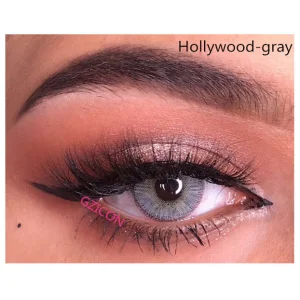
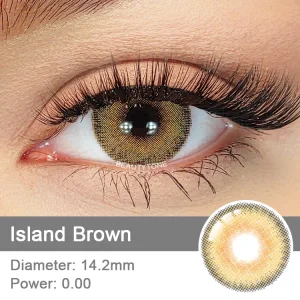
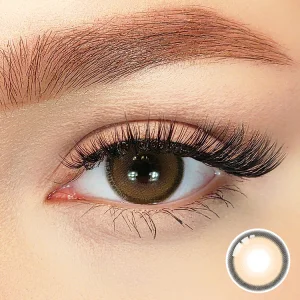
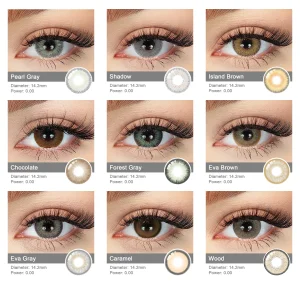
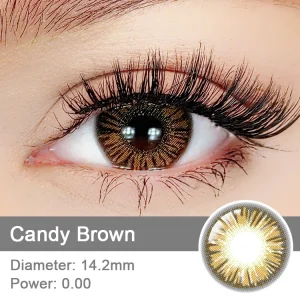
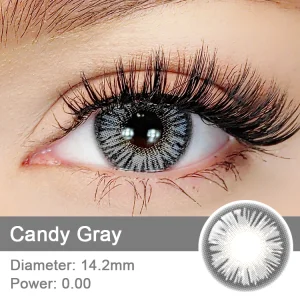
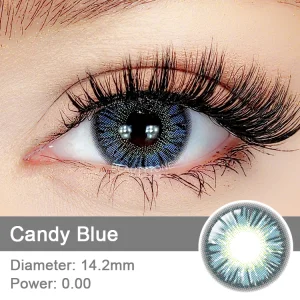
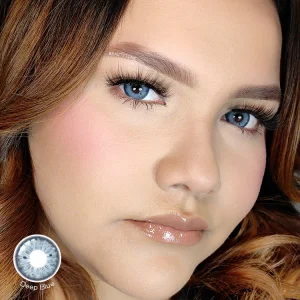
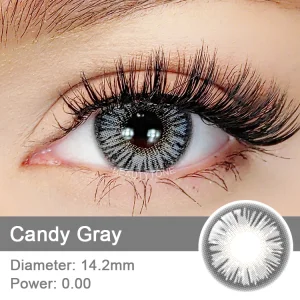
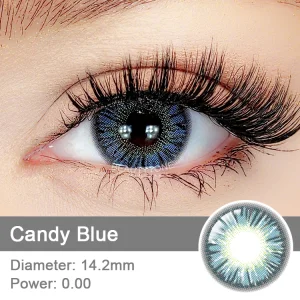
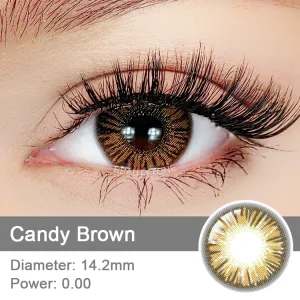
In the global vision care and cosmetic ocular market, the 14.2mm diameter serves as the definitive engineering sweet spot. Unlike 14.0mm lenses which target a strict, conservative native fit, or 14.5mm lenses designed for extreme enlargement, the 14.2mm specification provides the optimal balance of coverage, limbal ring definition, and anatomical comfort. For B2B importers, optical brands, and retail chain distributors, focusing on this specific dimension represents a strategic alignment with high-turnover consumer demand.
From a physiological standpoint, the average human corneal diameter (white-to-white distance) is approximately 11.5mm to 12.0mm. The 14.2mm configuration allows for an average drape extension of 1.1mm to 1.35mm around the limbal perimeter. This overlap guarantees that when the eye moves, the lens stays centered, preventing the aesthetic misalignment commonly referred to as "double-iris gap." By optimizing sagittal depth and base curve pairings (typically between 8.5mm and 8.7mm), global manufacturers achieve physical stabilization on a broader array of corneal geometries, significantly reducing post-market product returns for commercial distributors.
Precision centering through optimized sagittal depth and base curves, ensuring zero visual disruption during horizontal saccades.
Polyhema-based material compounding engineered with a 38%-42% water balance, preventing dehydration-induced lens tightening.
Non-ionic surfaces designed to resist protein deposition, keeping lenses comfortable and sanitary throughout a 1-year wear cycle.
The international supply chain for cosmetic contact lenses is experiencing rapid growth, fueled by shifts in demographic consumer patterns. B2B buyers in North America, Western Europe, the Middle East, and Latin America show distinct preferences shaped by regulatory systems and cultural standards. Distributors need to work with verified manufacturers who can adapt to these regional requirements.
In the Middle East and North Africa (MENA) region, high-opacity yearly disposable lenses dominate. Consumers seek dramatic transformations, preferring complex 3-tone blends, hazel, gray, and blue shades. These must cover dark irises without losing color depth. Importers in these regions require high-volume manufacturing lines that can maintain color consistency across thousands of units per SKU.
Conversely, in North American and European Union markets, compliance with medical device regulations (US FDA 510(k), EU MDR Class IIa) is critical. Here, demand shifts toward daily and monthly disposable cycles with natural aesthetic designs. Importers focus on sourcing cleanroom-certified facilities that provide comprehensive regulatory documentation, technical files, and reliable shipping timelines to protect their distribution channels.
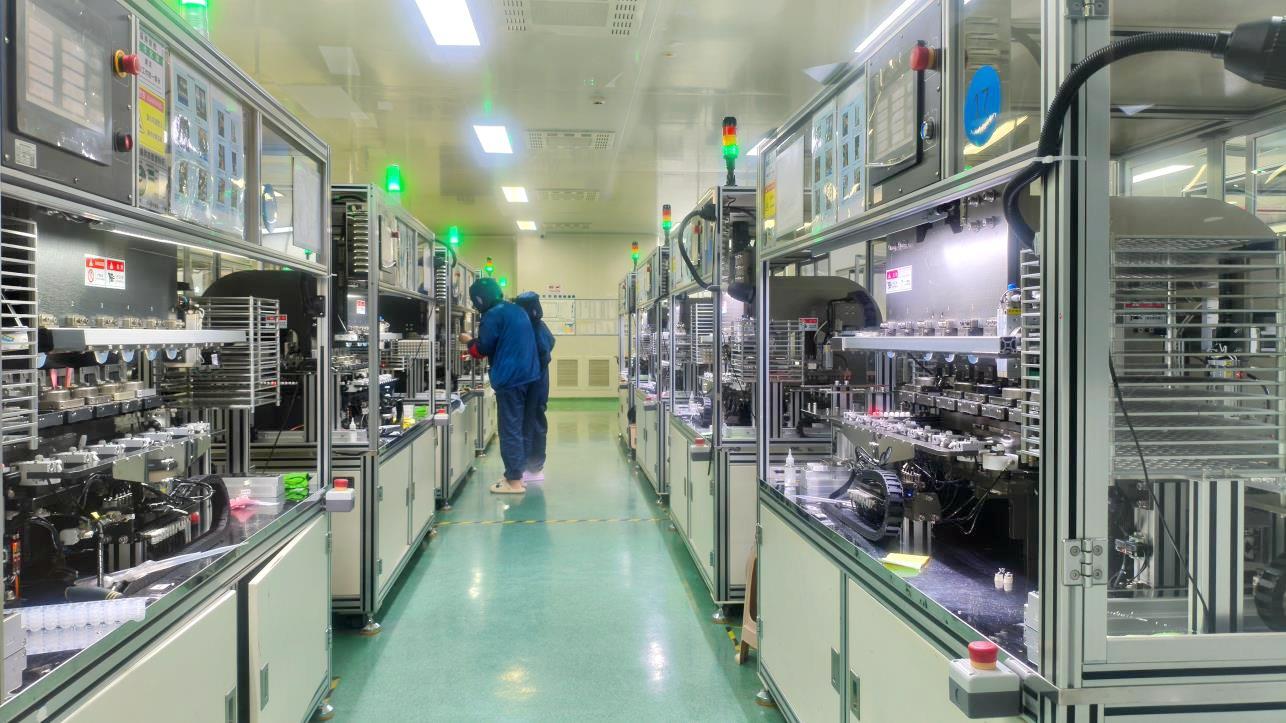
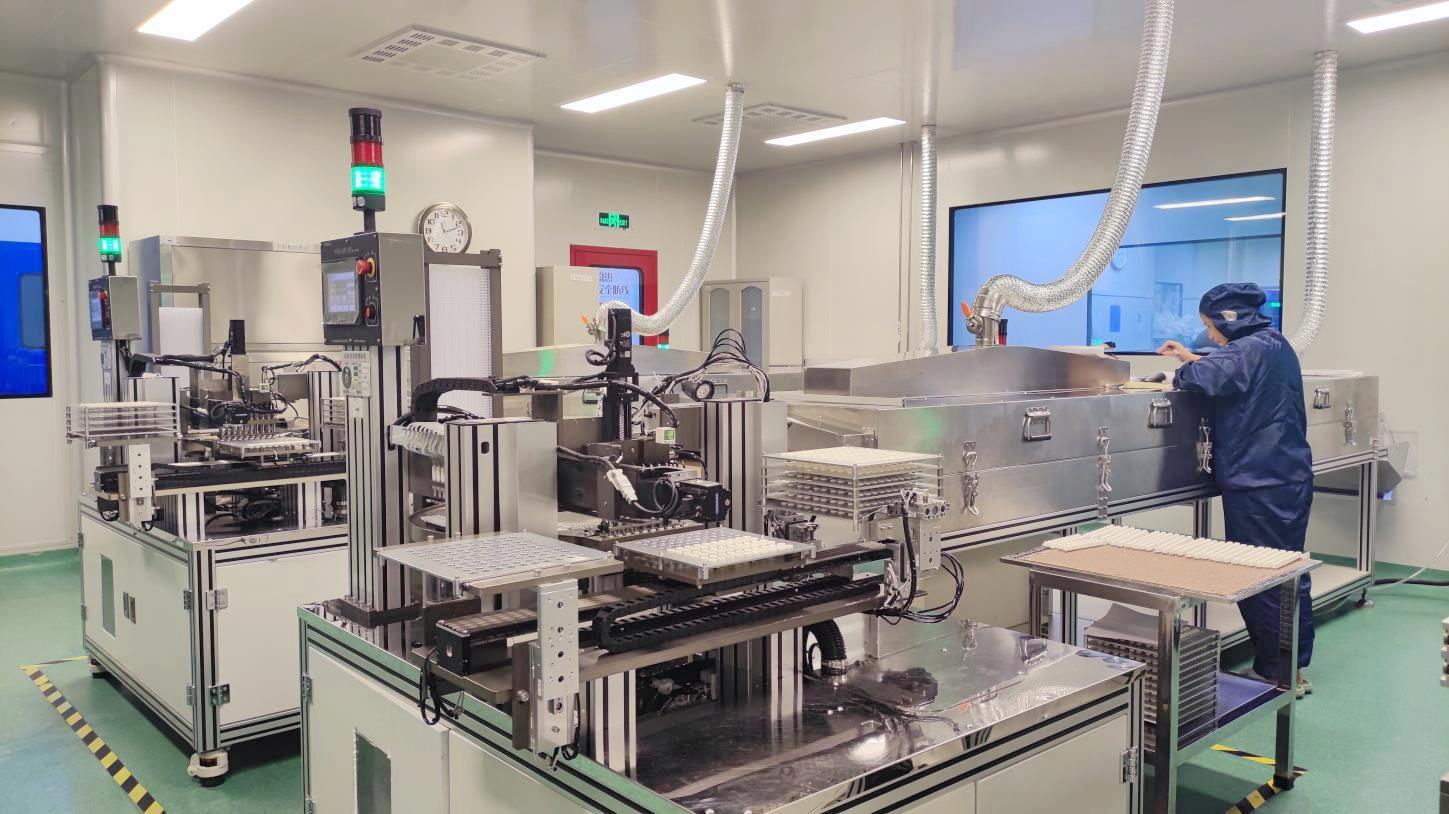
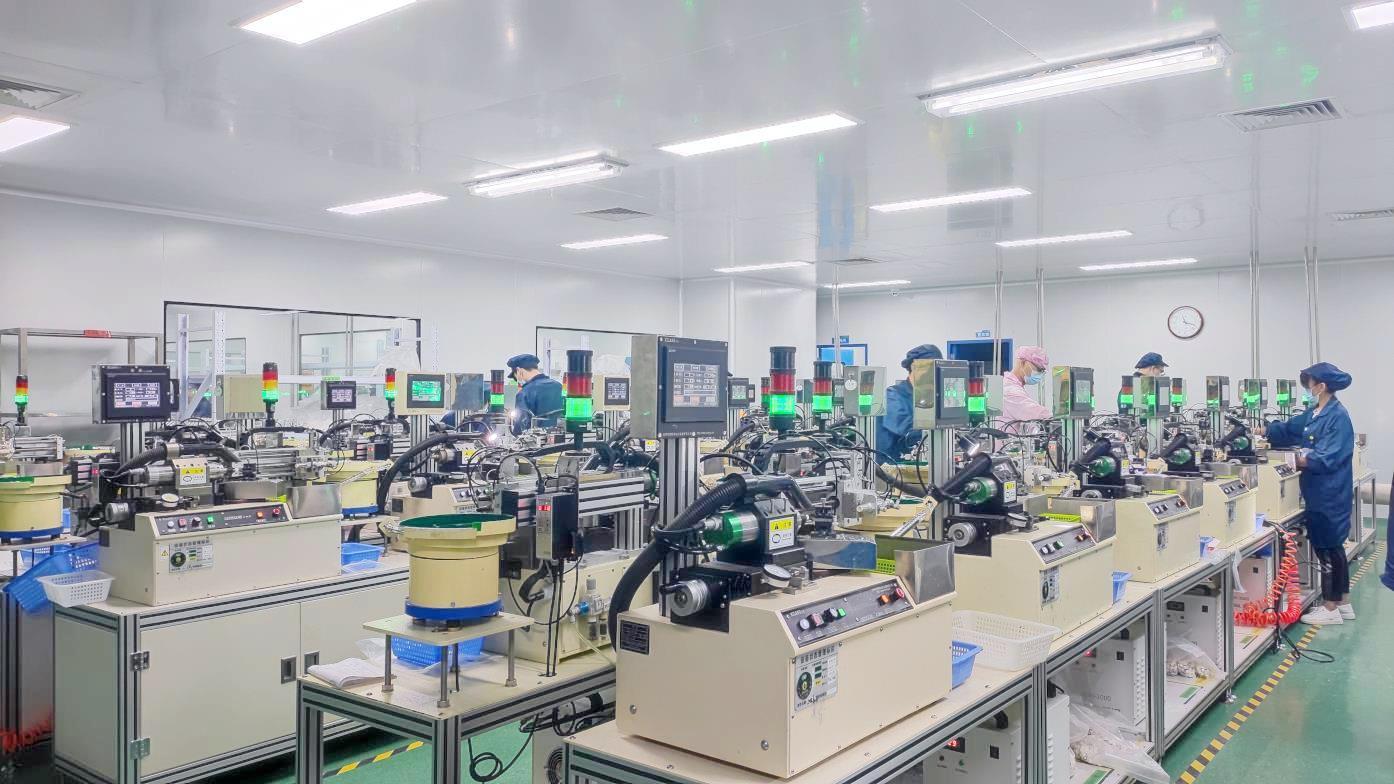
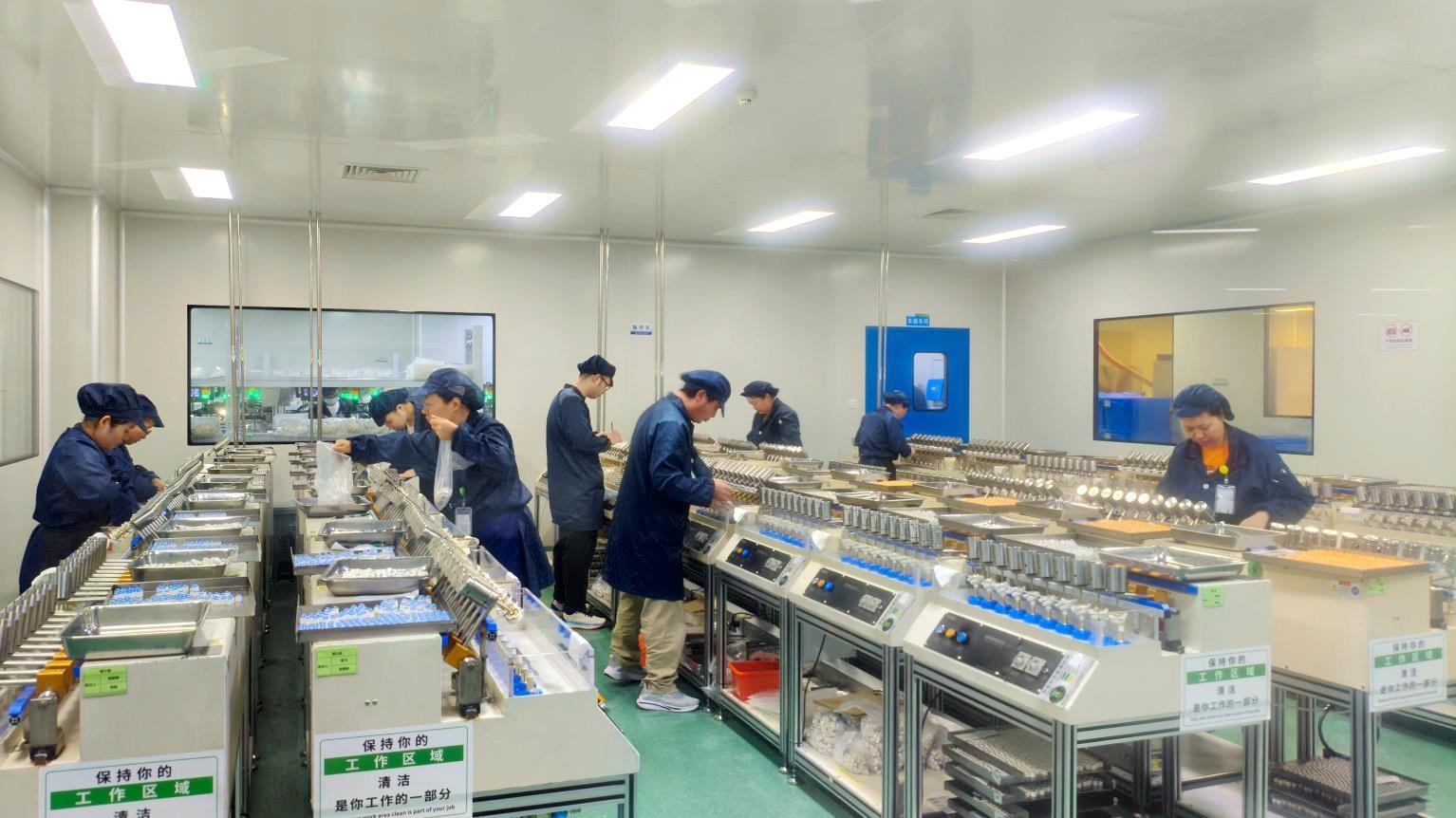
Guangzhou Blink Lenses Trading Co., Ltd. is an industrial-scale manufacturer specializing in the R&D and mass production of high-quality contact lenses and cosmetic colored lenses. Located in the manufacturing hub of Dongguan, China, we operate a fully integrated facility that bridges cutting-edge optical technology with robust supply chain capabilities.
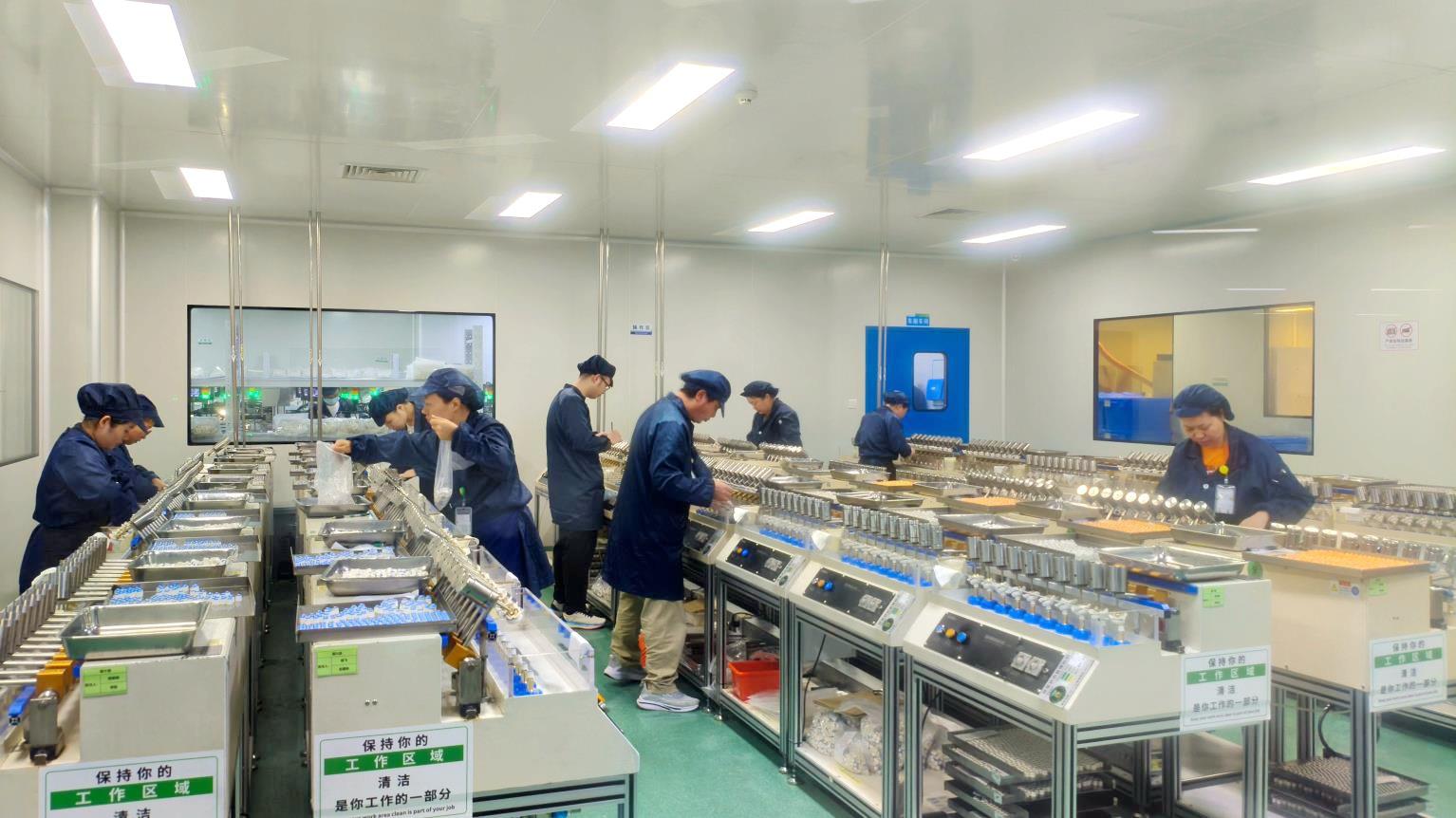
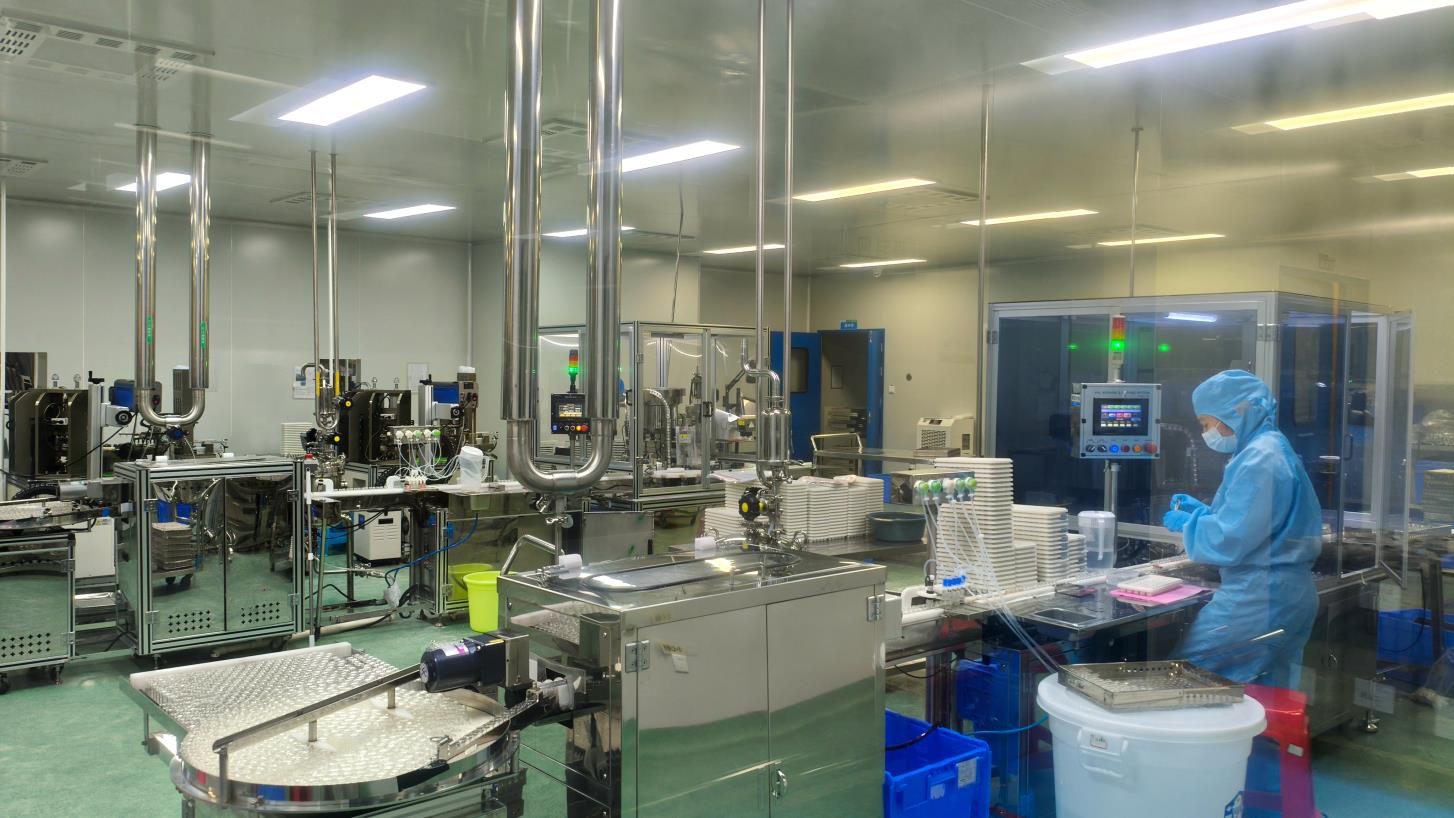
Equipped with automated high-speed cast-molding lines operating within a Class 100,000 (ISO 8) cleanroom environment.
100% full-inspection workflow, including automated geometric tolerance testing, power verification, and cosmetic defect screening.
Built upon strict international quality control systems, fully meeting CE, ISO 13485, and global medical device standards.
As a dedicated B2B partner, we specialize in OEM, ODM, and turnkey private-label solutions. From material compounding (Hydrogel/Polyhema) to bespoke pattern design and compliant blister packaging, Chic Contacts provides global distributors and vision care brands with unparalleled stability, scale, and safety.
Our Dongguan facility represents the transition from traditional lathe-cut methods to high-throughput, automated Cast-Molding Factory 4.0 systems. Integrating robotics and cleanroom technology improves optical precision while helping keep unit costs stable. This enables us to maintain consistent pricing even amid rising global material costs.
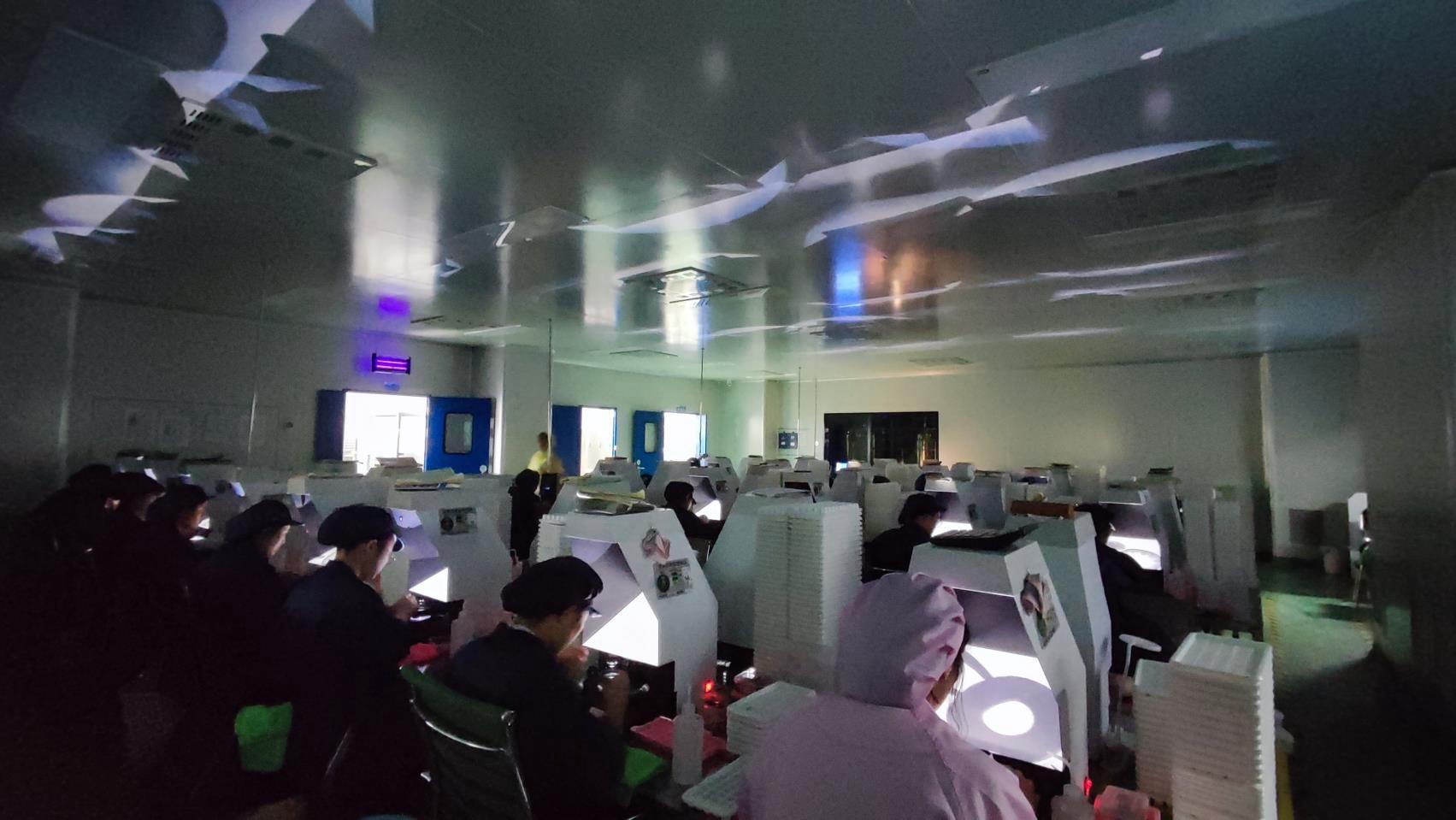
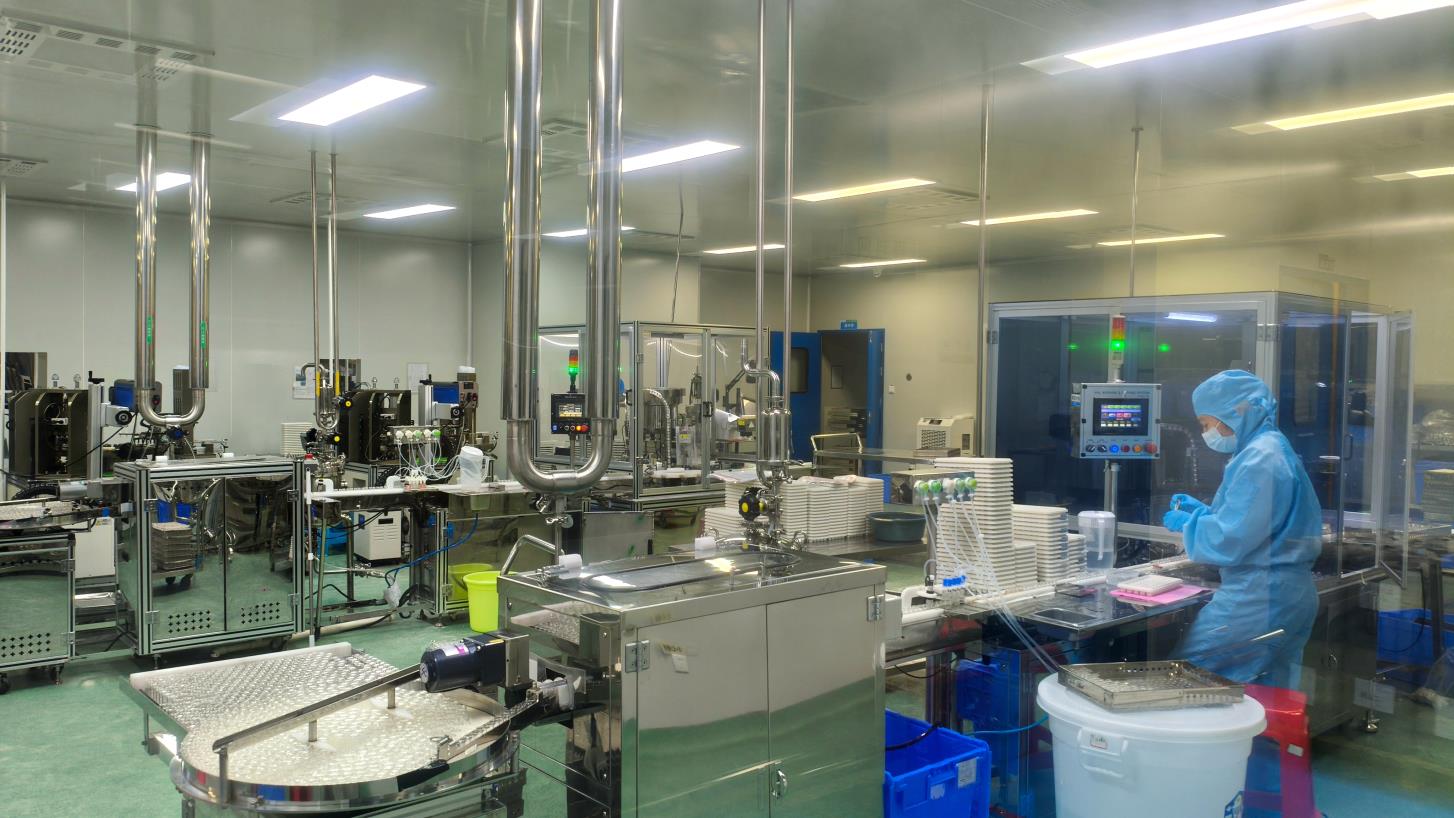
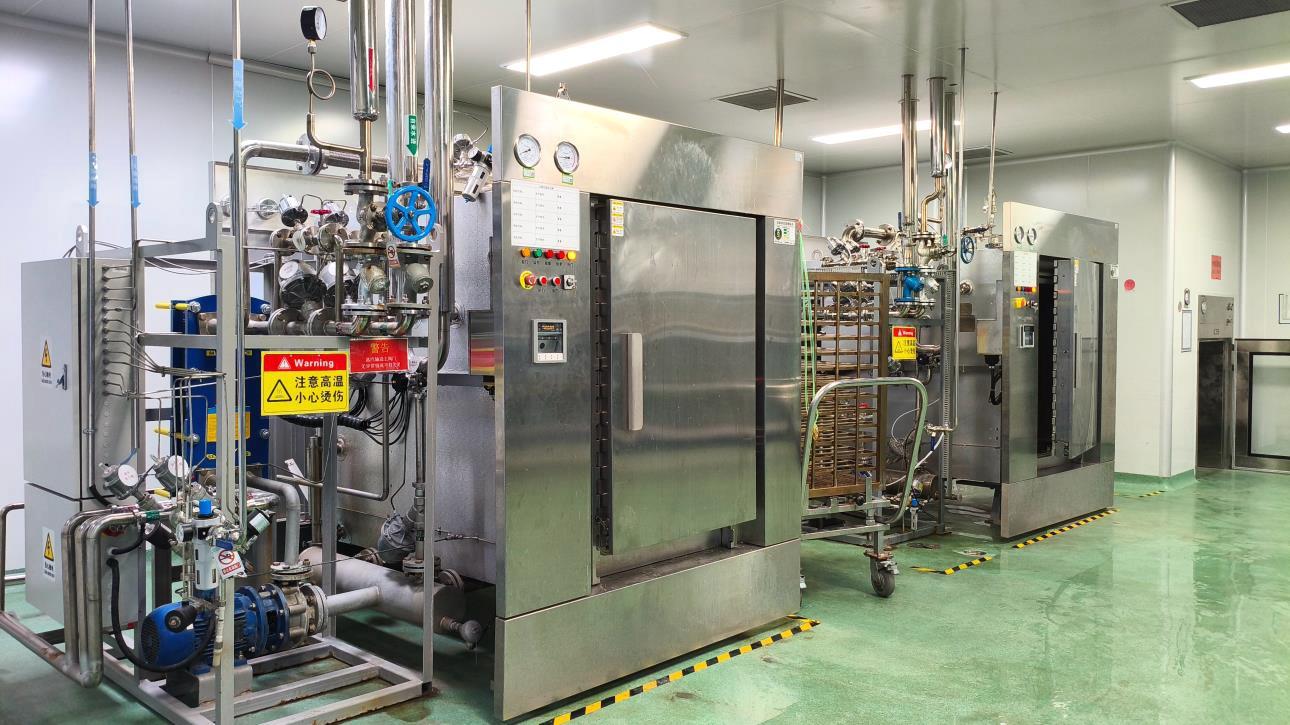
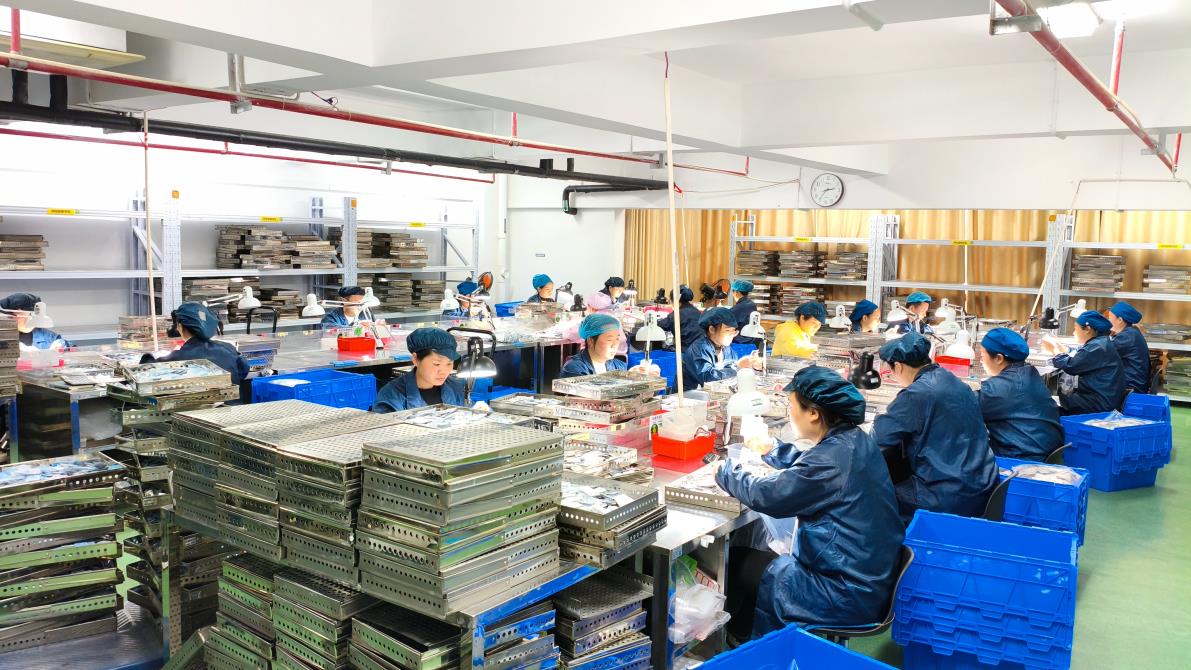
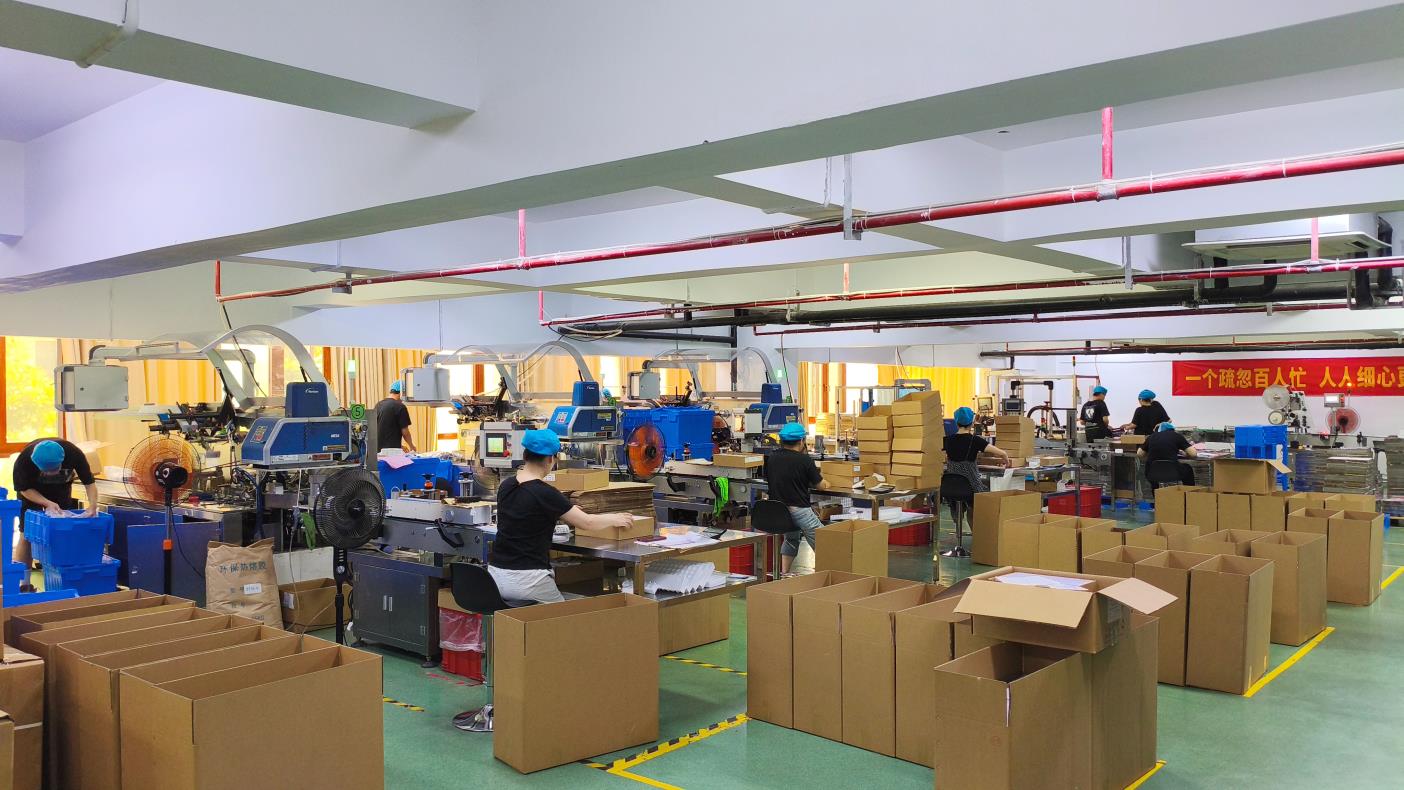
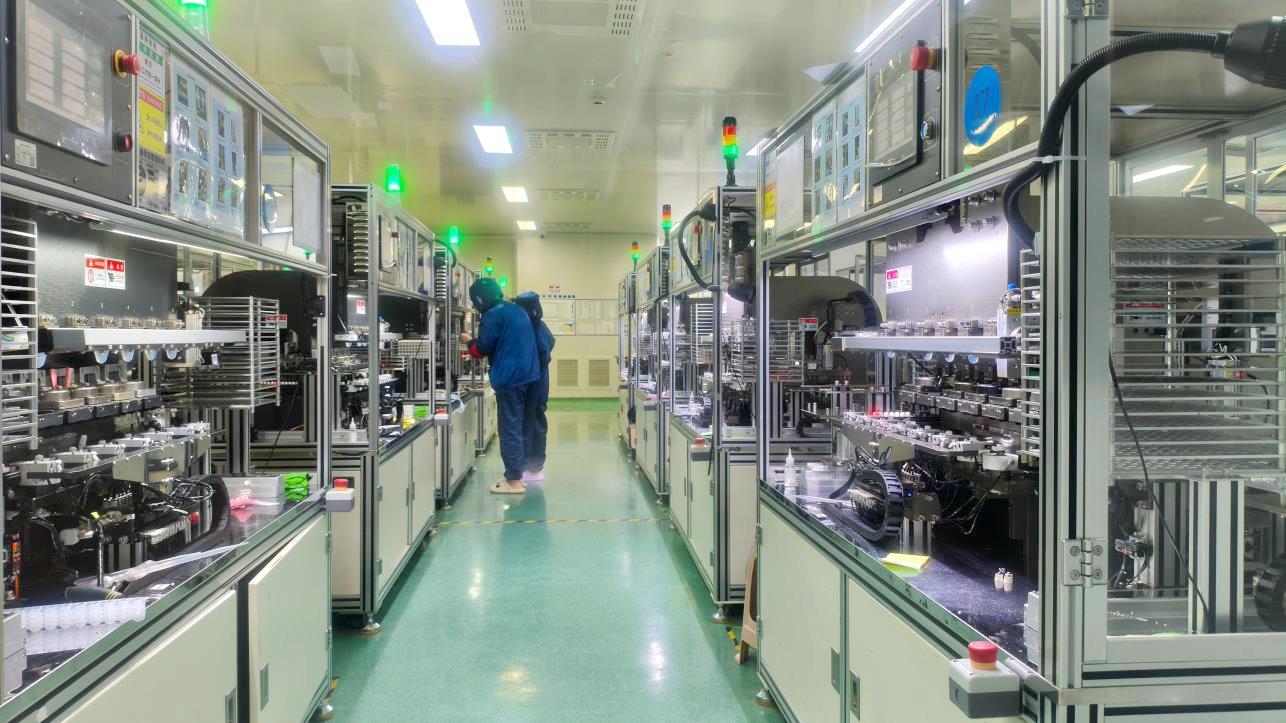
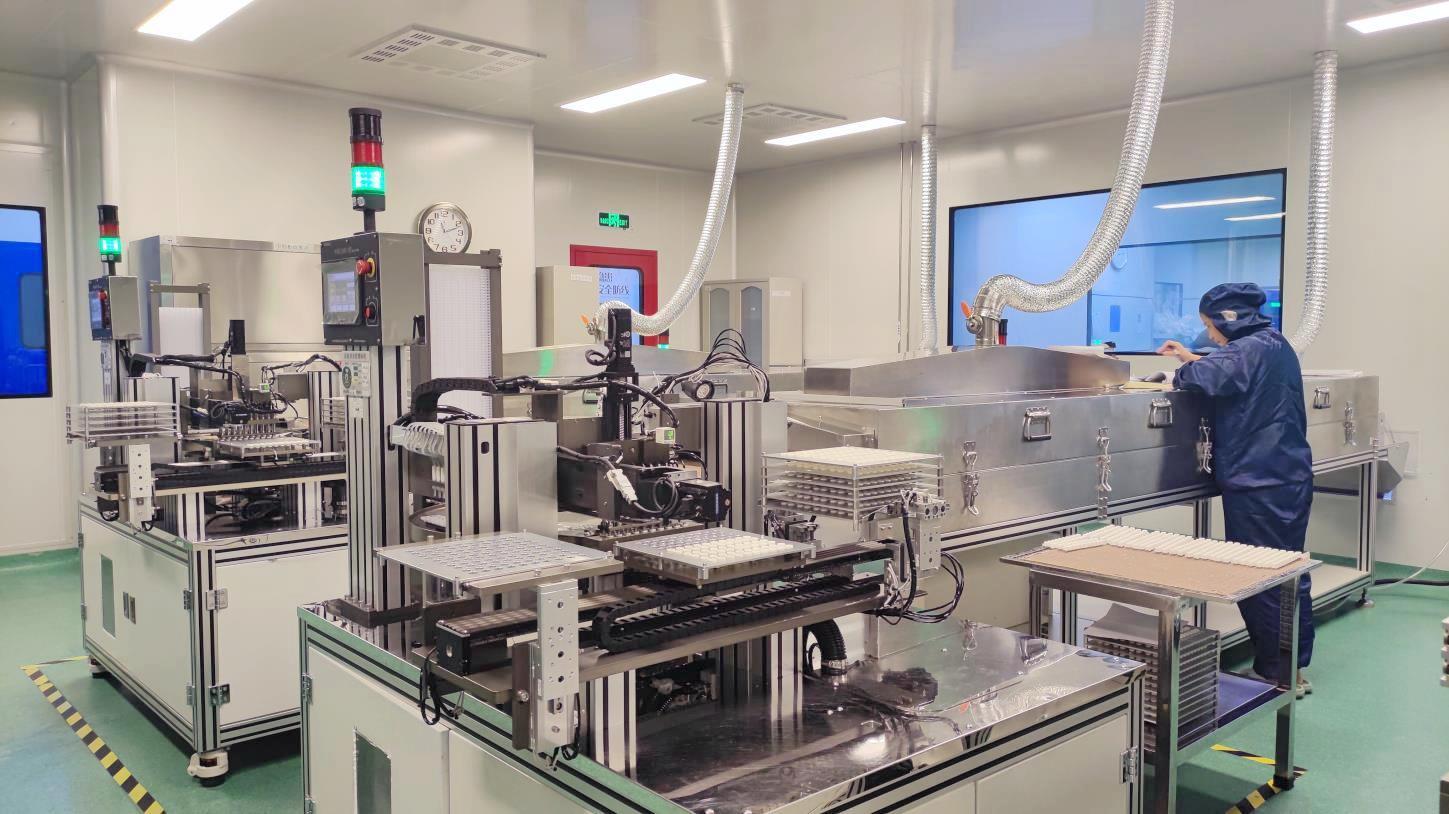
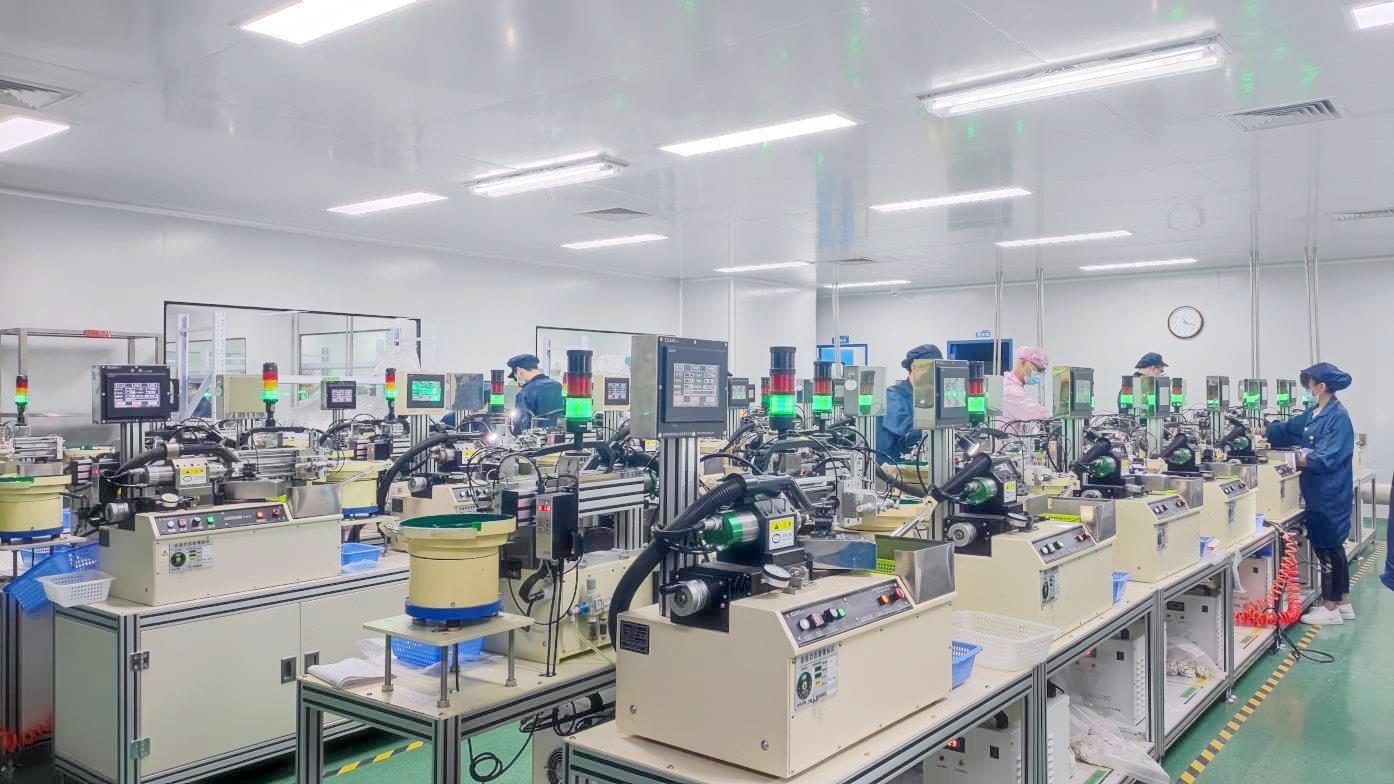
Our core product architecture is designed to meet the strict demands of clinical safety and user comfort. We prioritize non-ionic hydrogel polymers that prevent target protein buildup, making the lenses safer for long-term wear. For yearly disposable lenses, maintaining structural stability is critical. Our proprietary cross-linked HEMA/MAA polymers balance hydration with durable material strength.
We print pigment patterns between micro-thin layers of hydrogel. This prevents pigment particles from directly contacting corneal cells, eliminating the risk of micro-abrasions and chemical migration.
A rounded edge configuration allows tears to flow smoothly behind the lens. This helps maintain natural tear exchange and oxygenation, reducing the risk of hypoxia-related eye fatigue.
We integrate UV-absorbing monomers into our polymer mix, filtering out harmful solar radiation to provide extra protection alongside standard sunglasses.
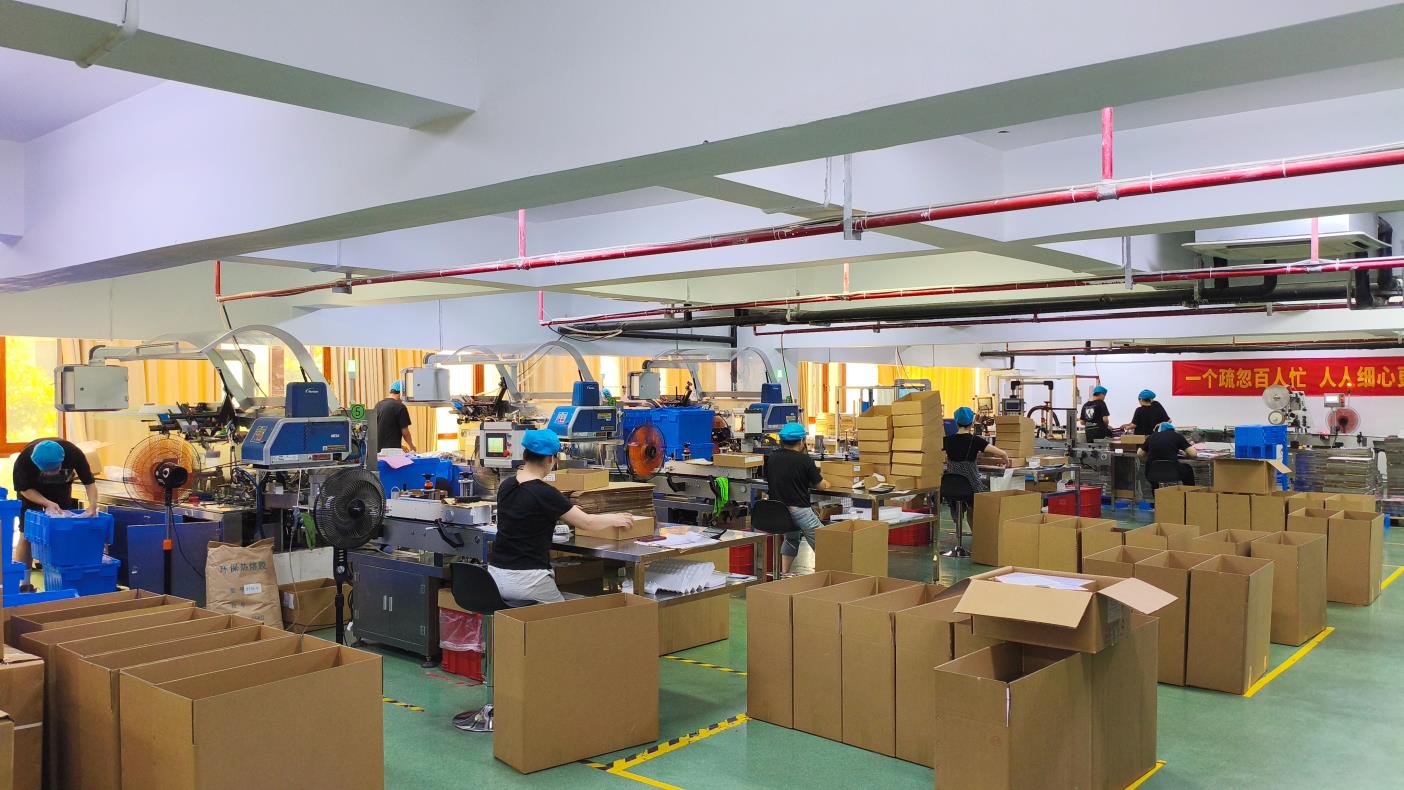
To support our OEM and ODM partners, we provide full custom design services. Brand owners can submit bespoke 1-tone, 2-tone, or 3-tone patterns. Our automated color printing lines replicate these designs with high precision. We also offer customizable packaging options, including primary PP blisters, medical-grade foil lids, and branded outer cartons, helping clients launch products that are retail-ready.
As medical devices, contact lenses require verified compliance documentation for international customs clearance. Our manufacturing facility operates under the ISO 13485 Quality Management System, specifically tailored for medical device production. We maintain active certifications that support smooth import procedures in key global markets.
From a logistical standpoint, our manufacturing base in South China provides access to nearby global shipping networks. We offer flexible sea, air, and express delivery options (including DHL, FedEx, and UPS). This proximity to major logistics hubs allows us to streamline transit schedules and help partners maintain optimal inventory levels.
Our standard MOQ for private-label OEM runs is 1,000 pairs per color variant. This minimum is required to calibrate printing equipment and optimize automated cast-molding runs. For established distributors looking to test new colorways, we can discuss lower trial quantities for initial market verification.
We use a sandwich encapsulation technique that locks the color layer between two clear hydrogel sheets. This prevents the printed pigments from directly touching the cornea or the eyelid lining. It also protects the color from rubbing off during cleaning, helping to prevent irritation.
Our manufacturing lines operate under ISO 13485 standards. Our products have cleared CE certification pathways, allowing them to enter European markets. We also provide full technical files, sterilization records, and material safety data sheets (MSDS) to support local regulatory registrations.
Standard HEMA Hydrogel lenses rely on their water content to transport oxygen. They are highly flexible and provide excellent initial comfort, making them a cost-effective choice for yearly replacement cycles. Silicone Hydrogel lenses have lower water content but higher oxygen permeability, making them ideal for extended wear and daily disposable lines.
Yes, we offer comprehensive OEM packaging services. This includes printing custom brand designs on primary aluminum foil lids, manufacturing custom box structures, and providing localized insert sheets. Our engineering team helps ensure all packaging layouts comply with international labeling standards.
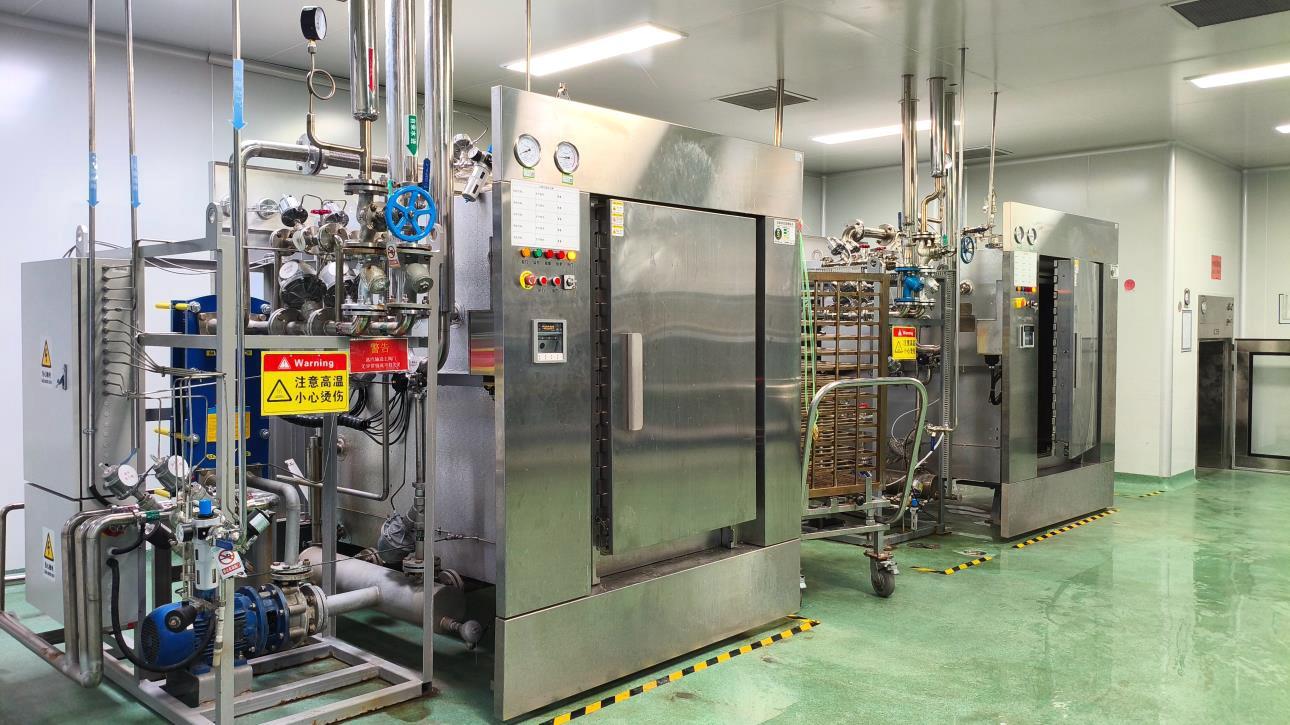
Once the lenses are sealed in their primary blisters, we sterilize them in pressurized steam autoclaves at 121°C. This sterilization process is continuously monitored with biological and chemical indicators to ensure that each batch meets safety standards.
 Blink Lenses