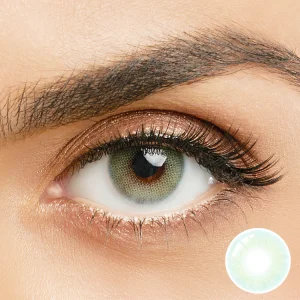
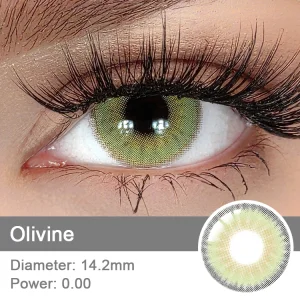
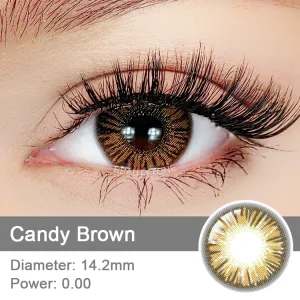
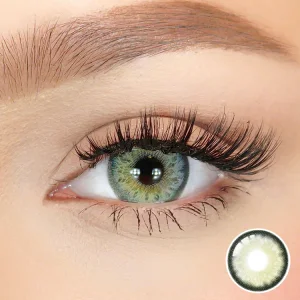
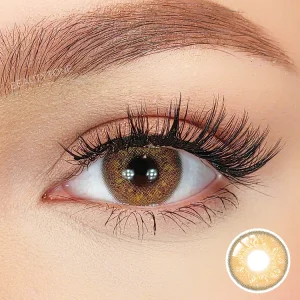
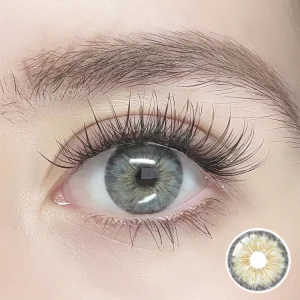
Explore our premier collection of medical-grade contact lenses engineered for visual clarity, corneal health, and exceptional user comfort.
Guangzhou Blink Lenses Trading Co., Ltd. is an industrial-scale manufacturer specializing in the R&D and mass production of high-quality contact lenses and cosmetic colored lenses. Located in the manufacturing hub of Dongguan, China, we operate a fully integrated facility that bridges cutting-edge optical technology with robust supply chain capabilities.
As a dedicated B2B partner, we specialize in OEM, ODM, and turnkey private-label solutions. From material compounding (Hydrogel/Polyhema) to bespoke pattern design and compliant blister packaging, Chic Contacts provides global distributors and vision care brands with unparalleled stability, scale, and safety.
Understanding market dynamics, biocompatibility expectations, and regulatory paradigms in international vision care distribution.
The global contact lens market is undergoing an unprecedented structural transition. Corrective and cosmetic lenses are no longer viewed simply as medical devices; they represent a high-growth intersection of clinical optometry, aesthetic fashion, and bio-material science. For global distributors, retail brands, and ophthalmic suppliers, sourcing from a certified manufacturer that possesses both regulatory credentials and high-volume stability is the defining factor in market capture.
Historically, the supply chain for high-end contact lenses was dominated by a few multinational conglomerates. However, the rise of advanced precision manufacturing hubs in China—specifically within the Pearl River Delta industrial cluster—has redefined access. Modern factories now combine lower capital-expenditure infrastructure with state-of-the-art European and Japanese casting machinery. This allows agile brands to enter the market with custom packaging, competitive pricing, and certified bio-compatible materials without sacrificing the margins required to scale.
Crucially, consumer expectations have increased regarding corneal oxygenation (oxygen permeability, or Dk/t), tear-film stability, and edge-profile geometry. Modern wearers demand lenses that prevent dry-eye syndrome and maintain optical centration throughout long work hours or dynamic physical activity. As a B2B supplier, our R&D efforts are continuously aligned with these physical parameters. By using precise lathe cutting and cast-molding systems, we guarantee high-definition (HD) vision outcomes that retain customer loyalty for global private labels.
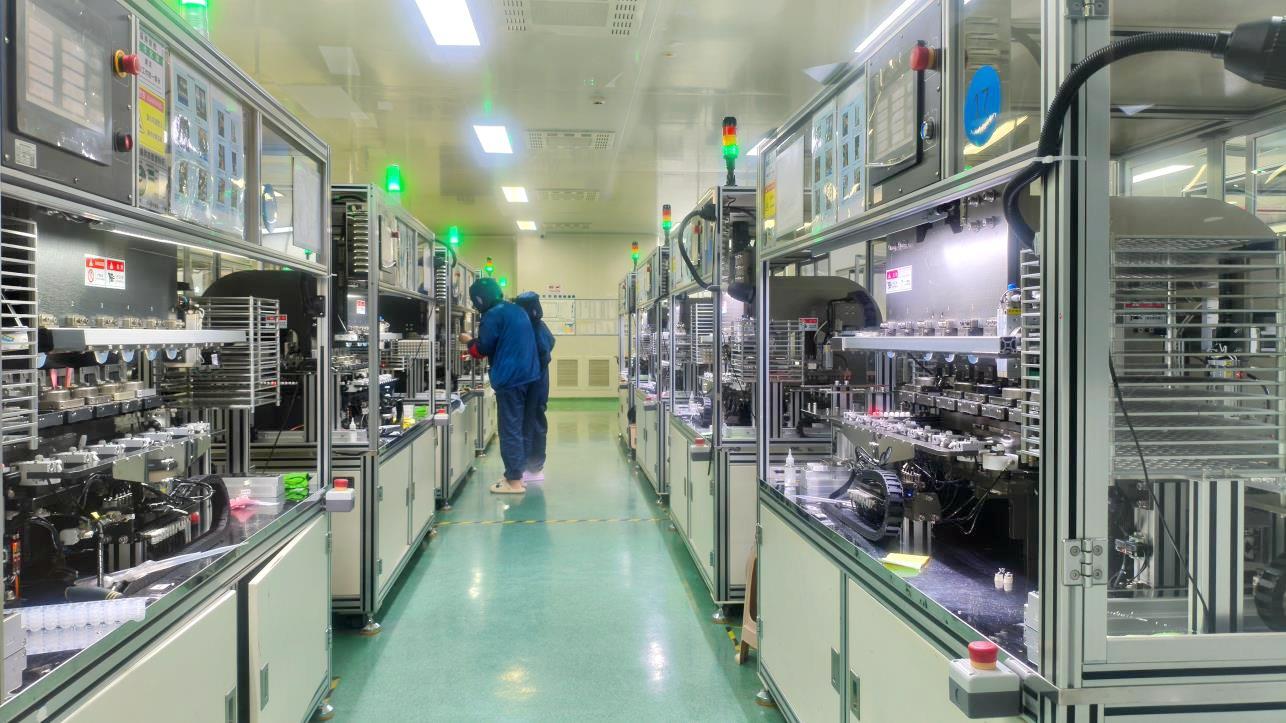
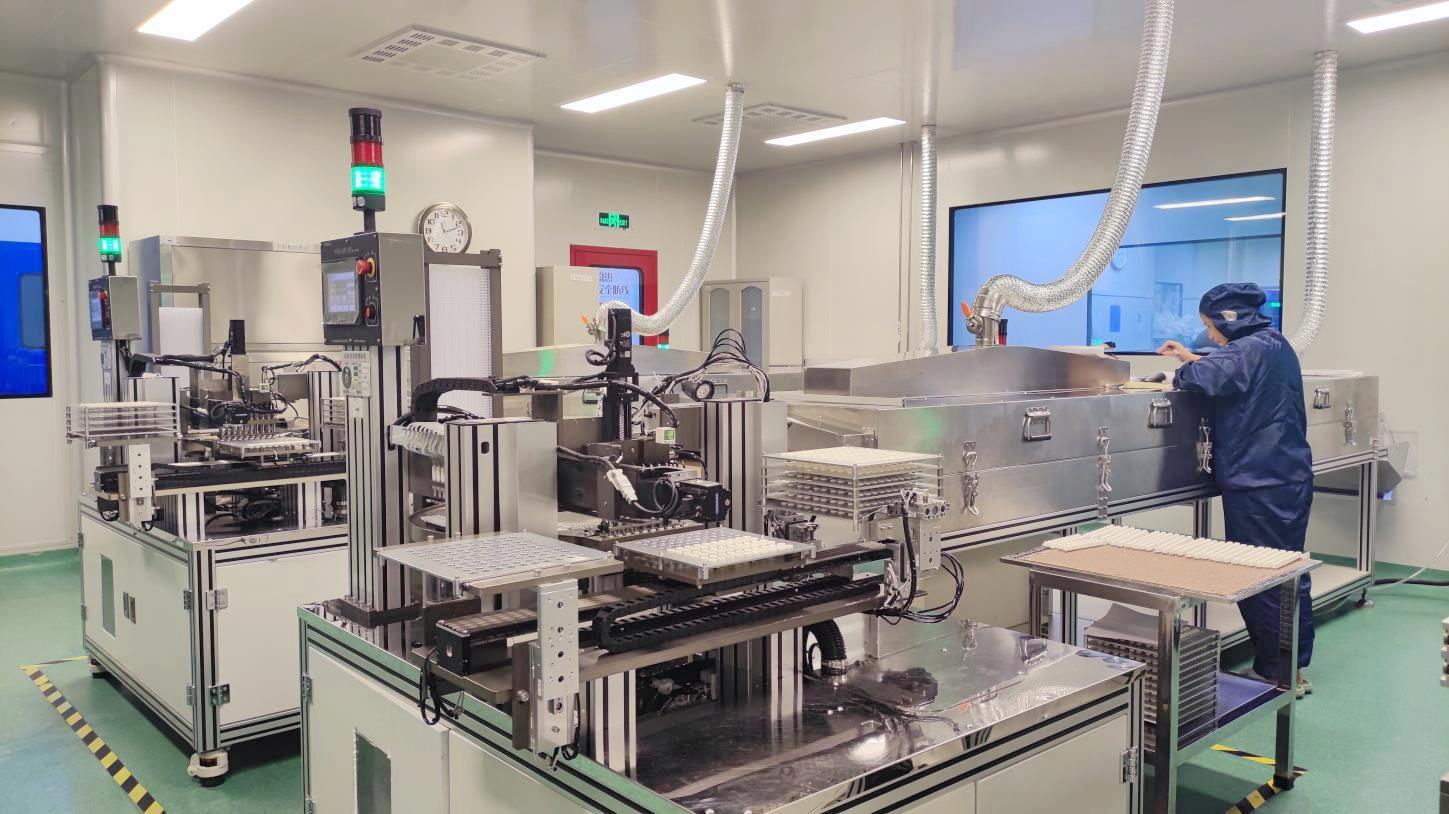
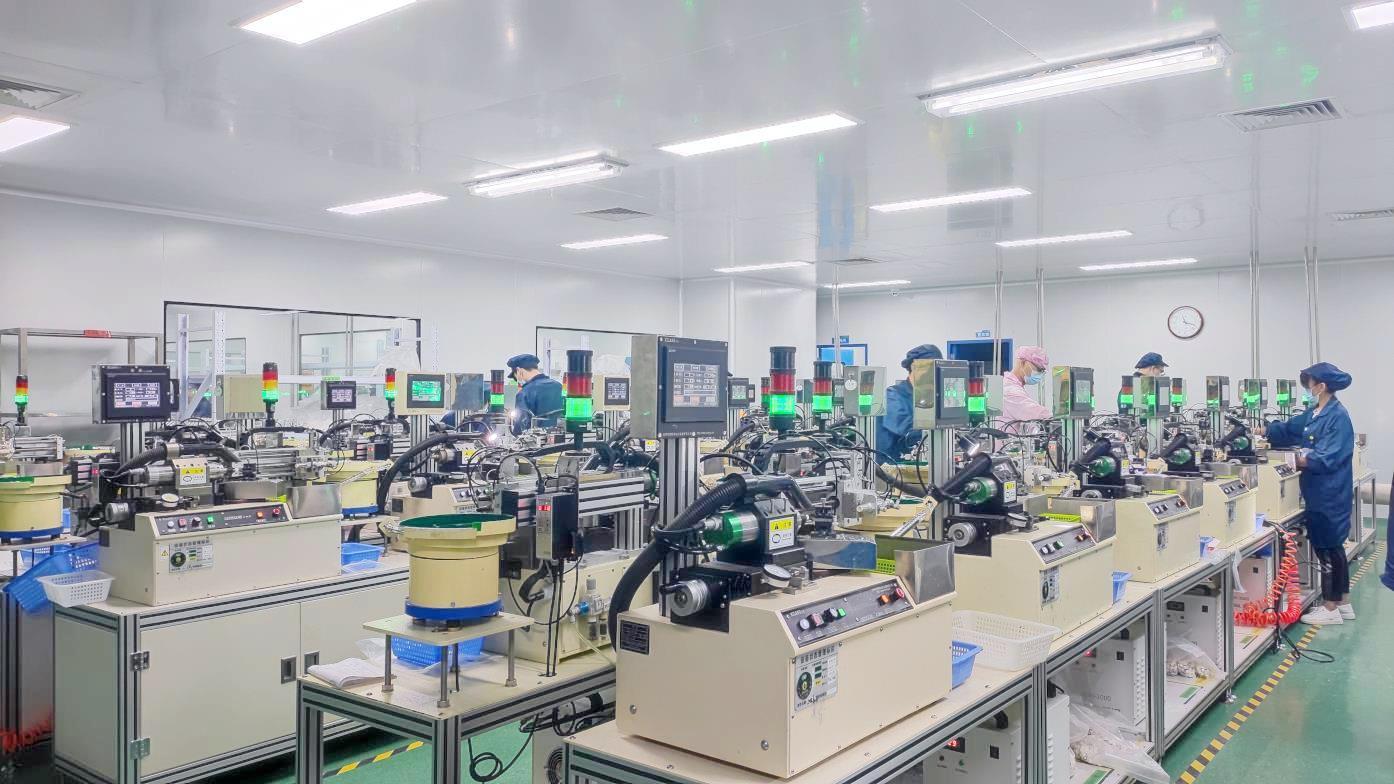
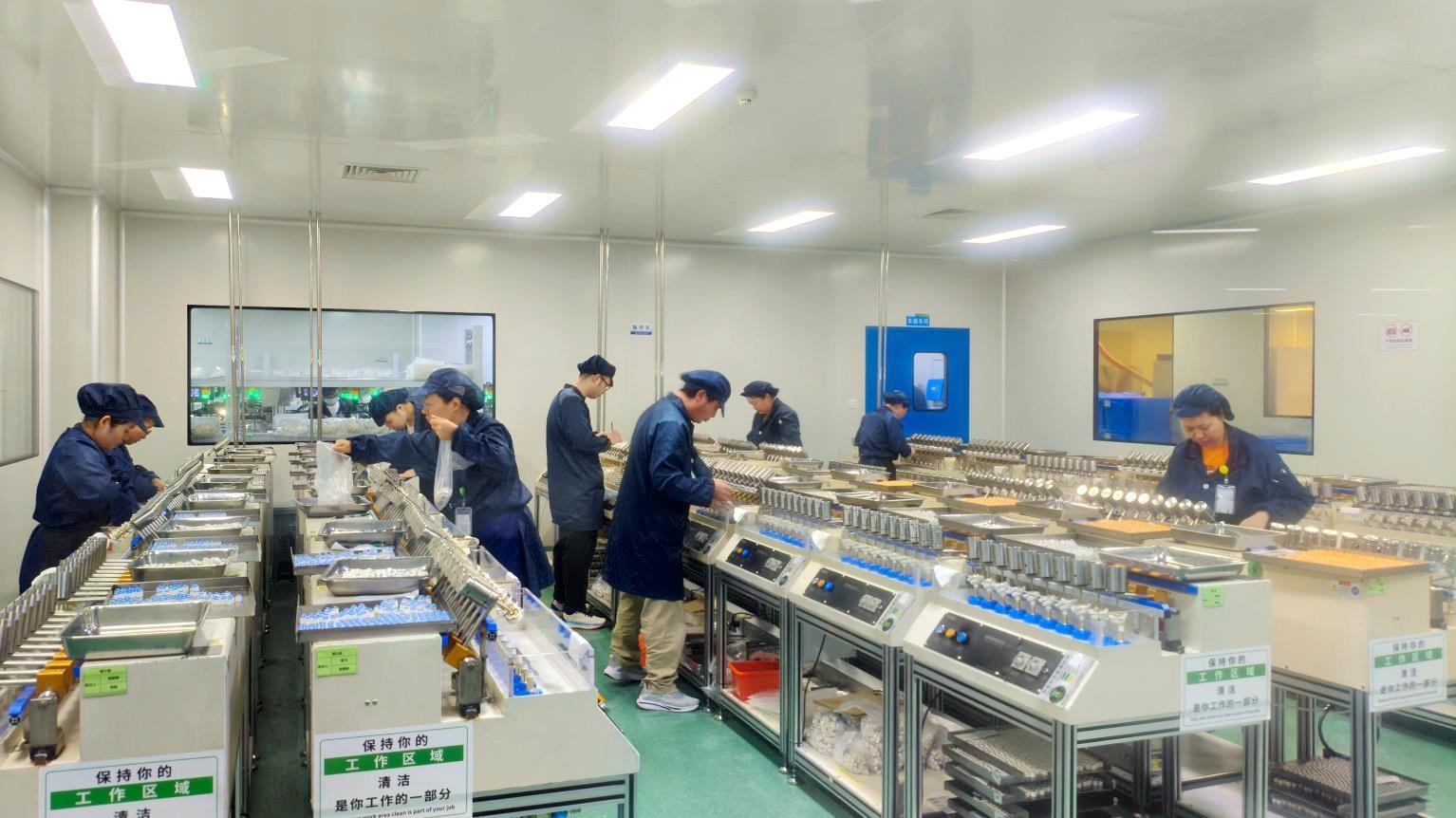
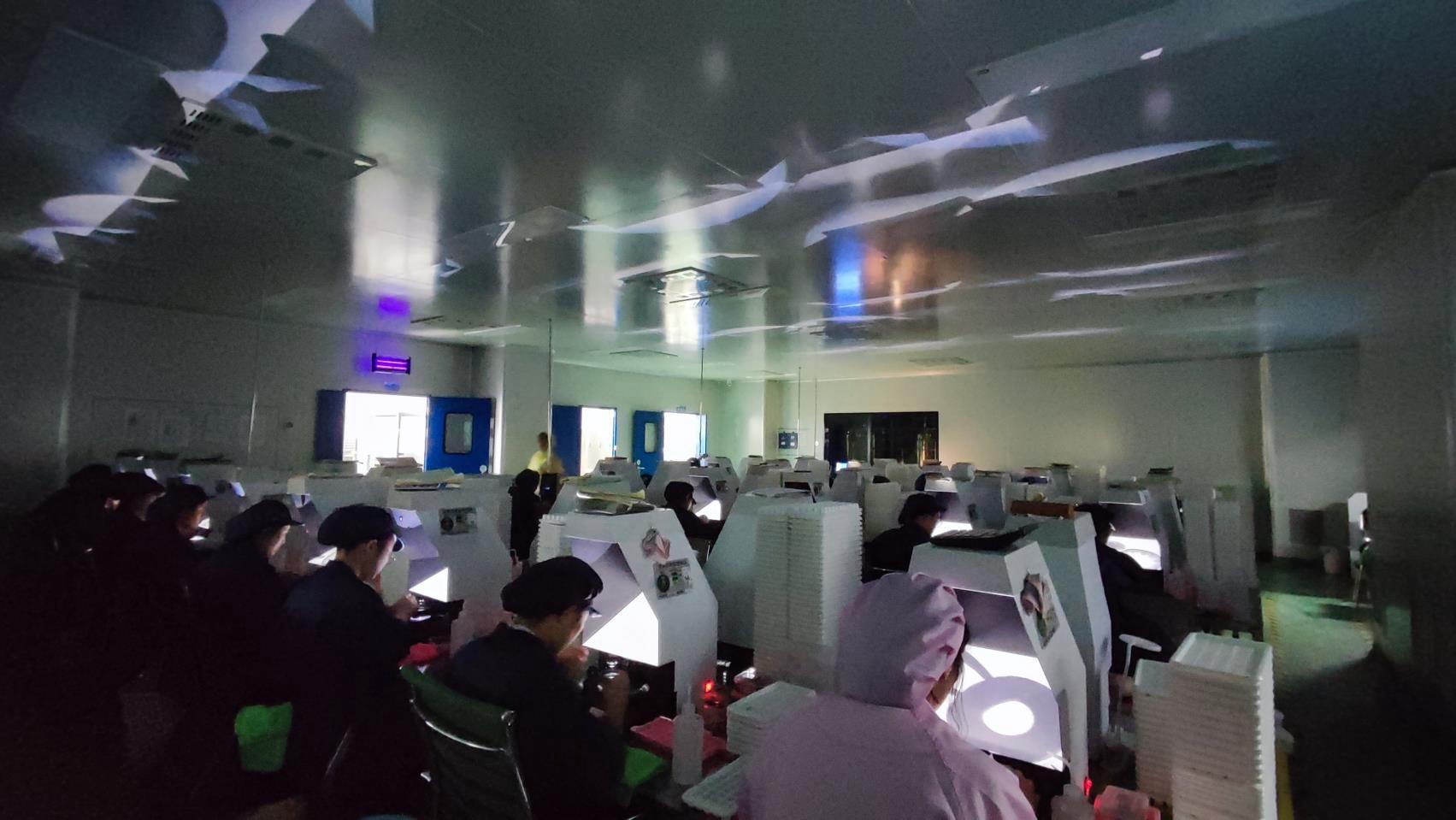
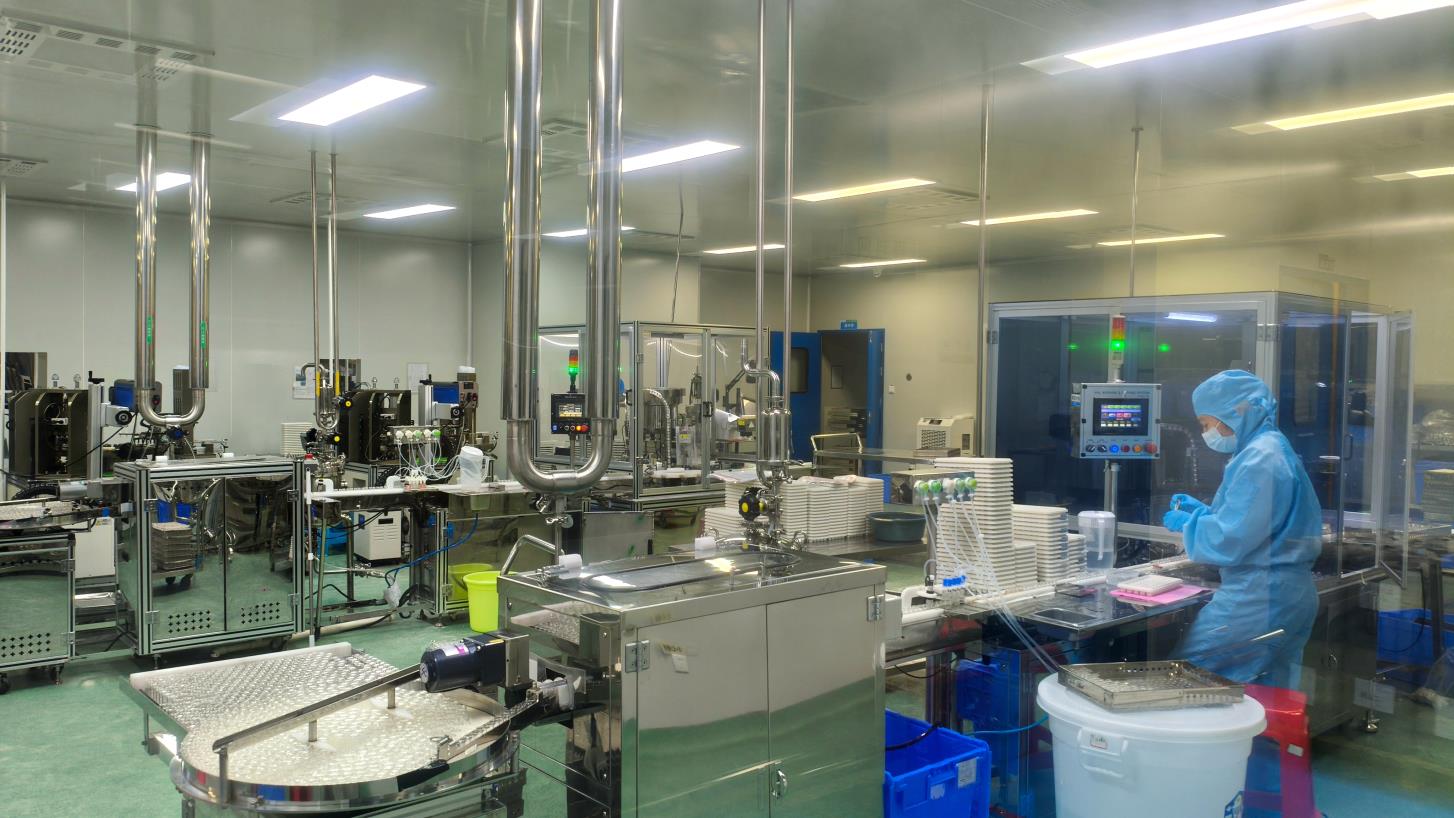
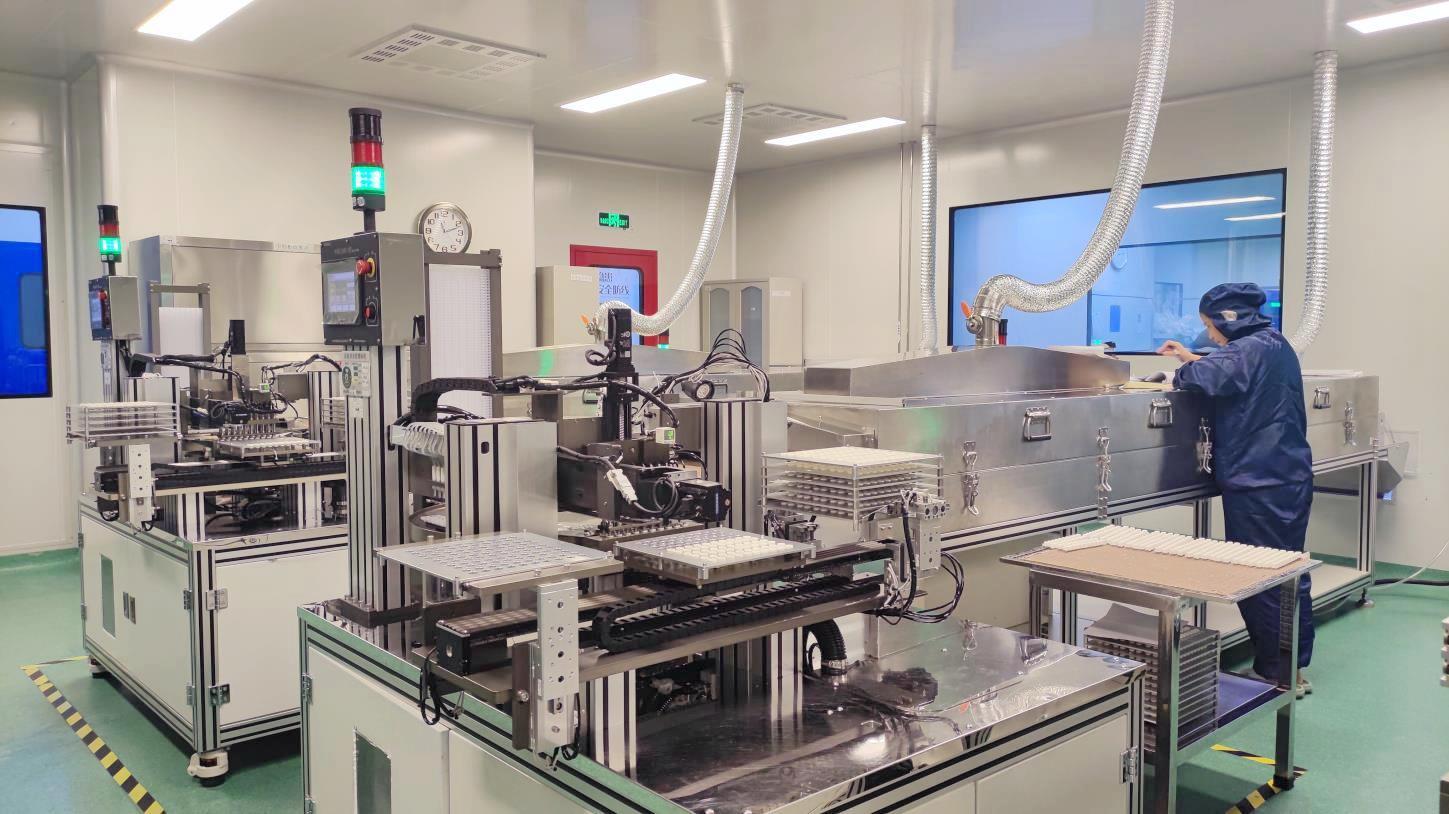
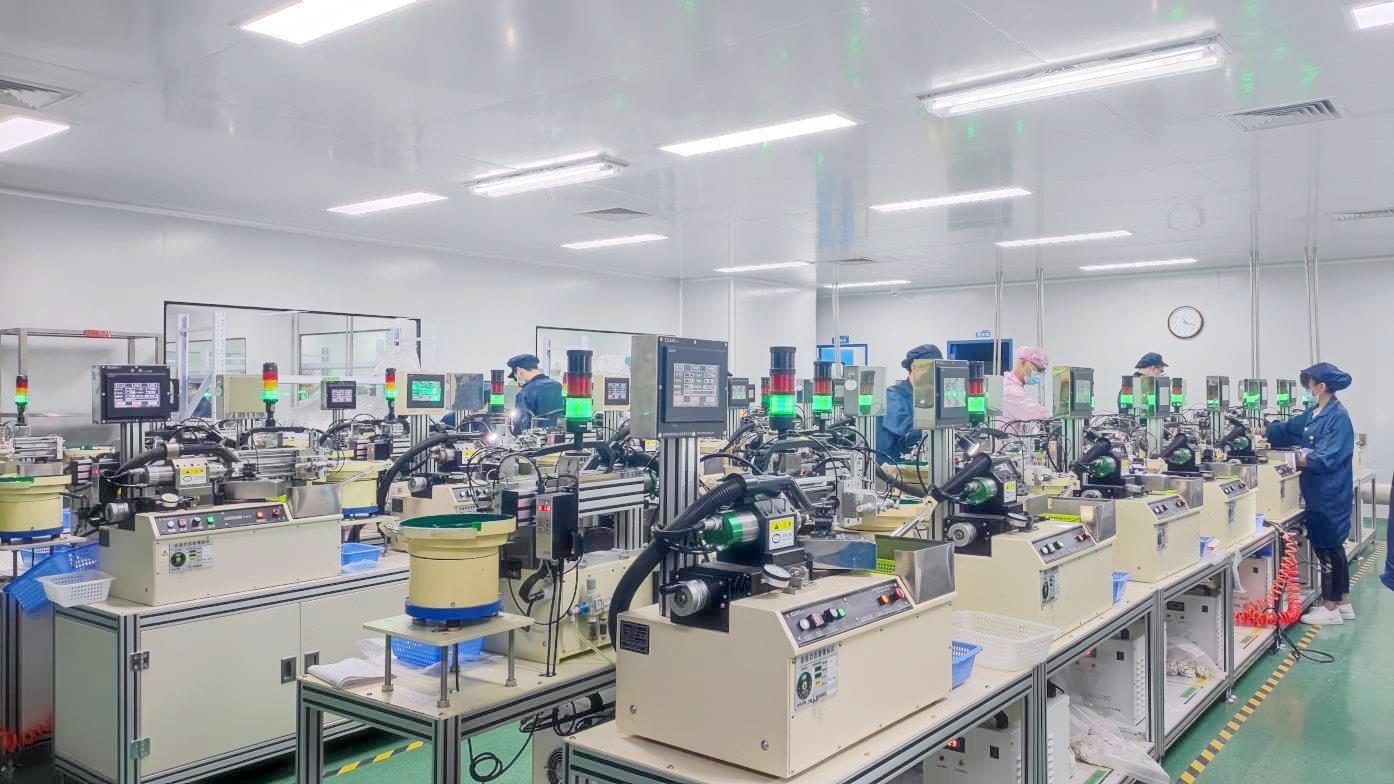
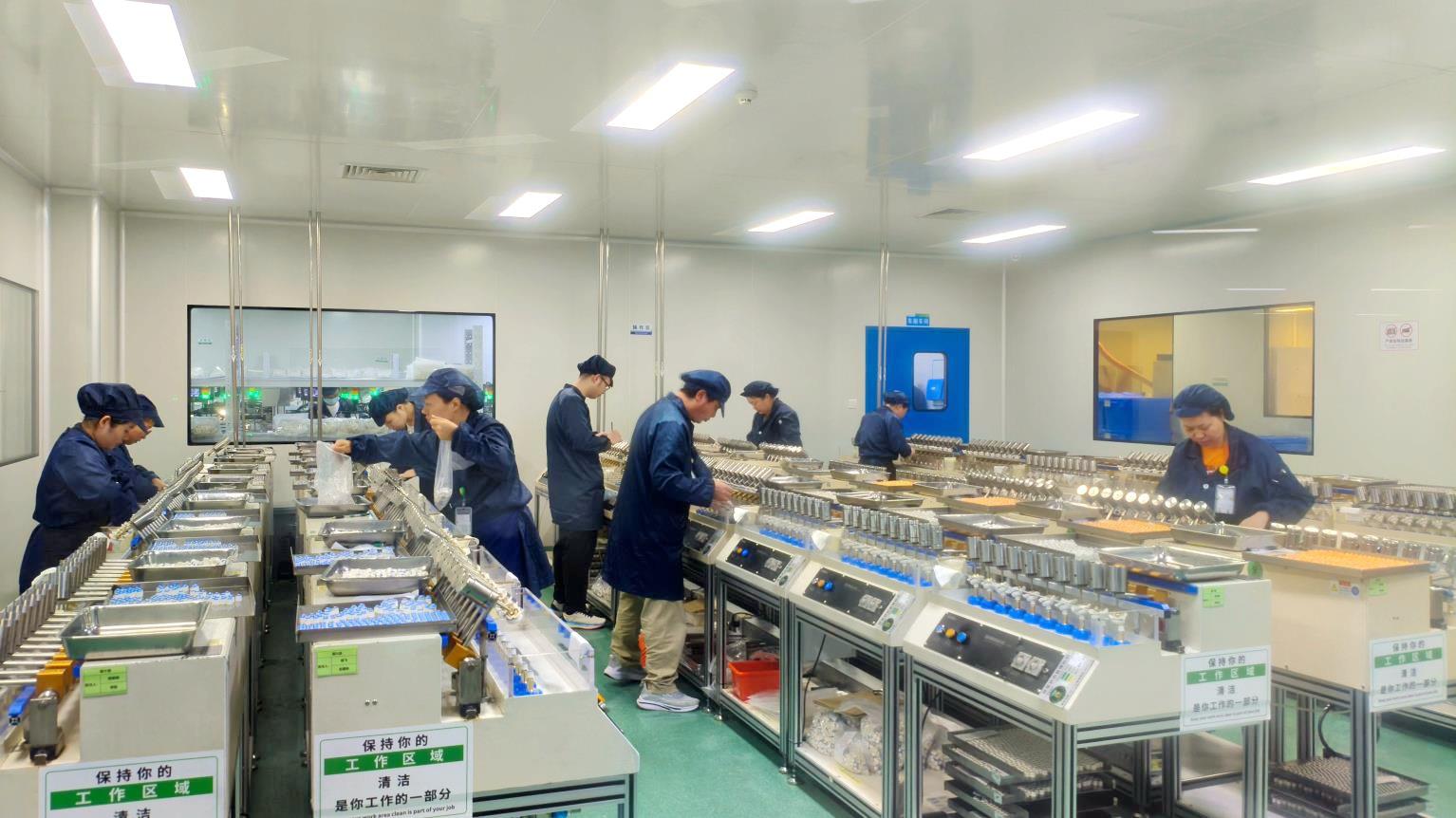
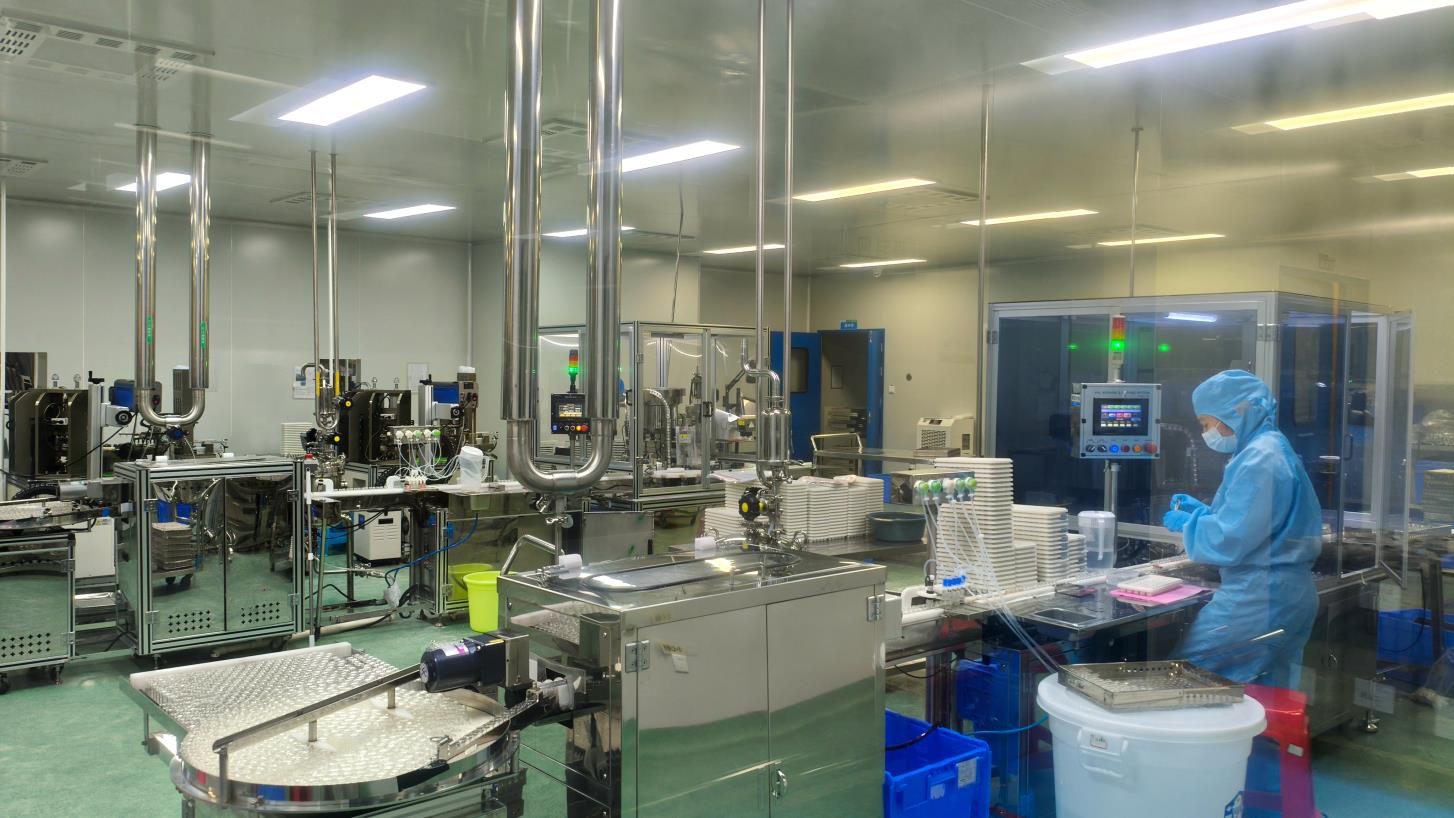
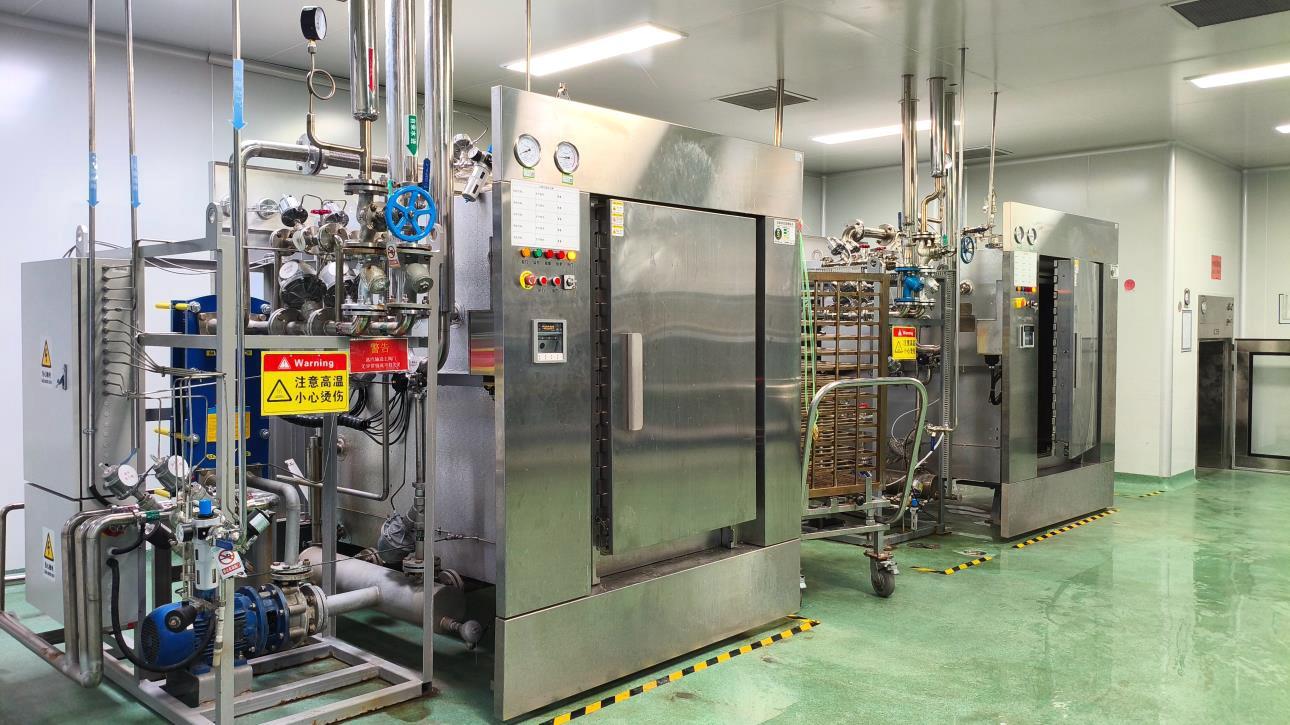
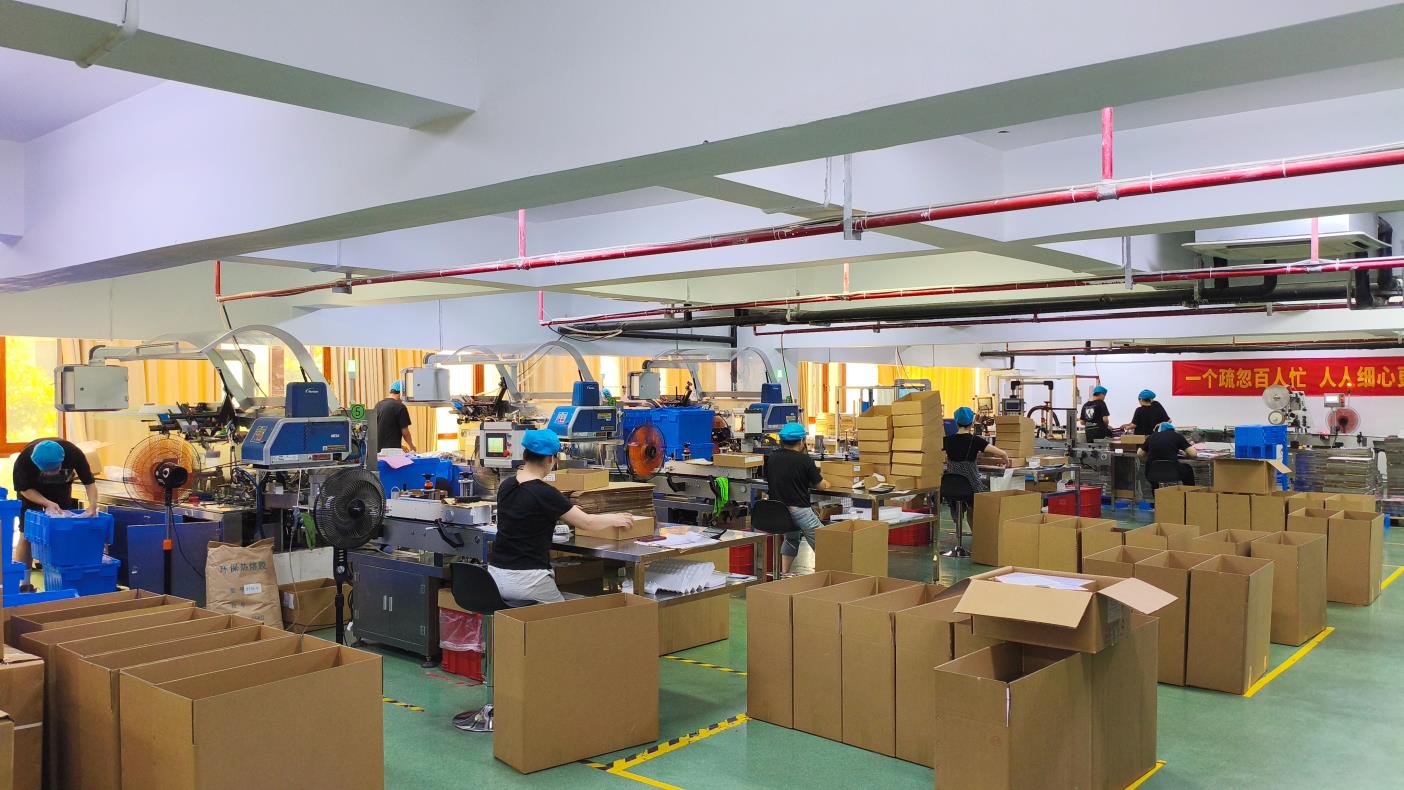
A look inside our high-tech factory in Dongguan: Integrating robotic automation and micro-machining to secure clinical purity.
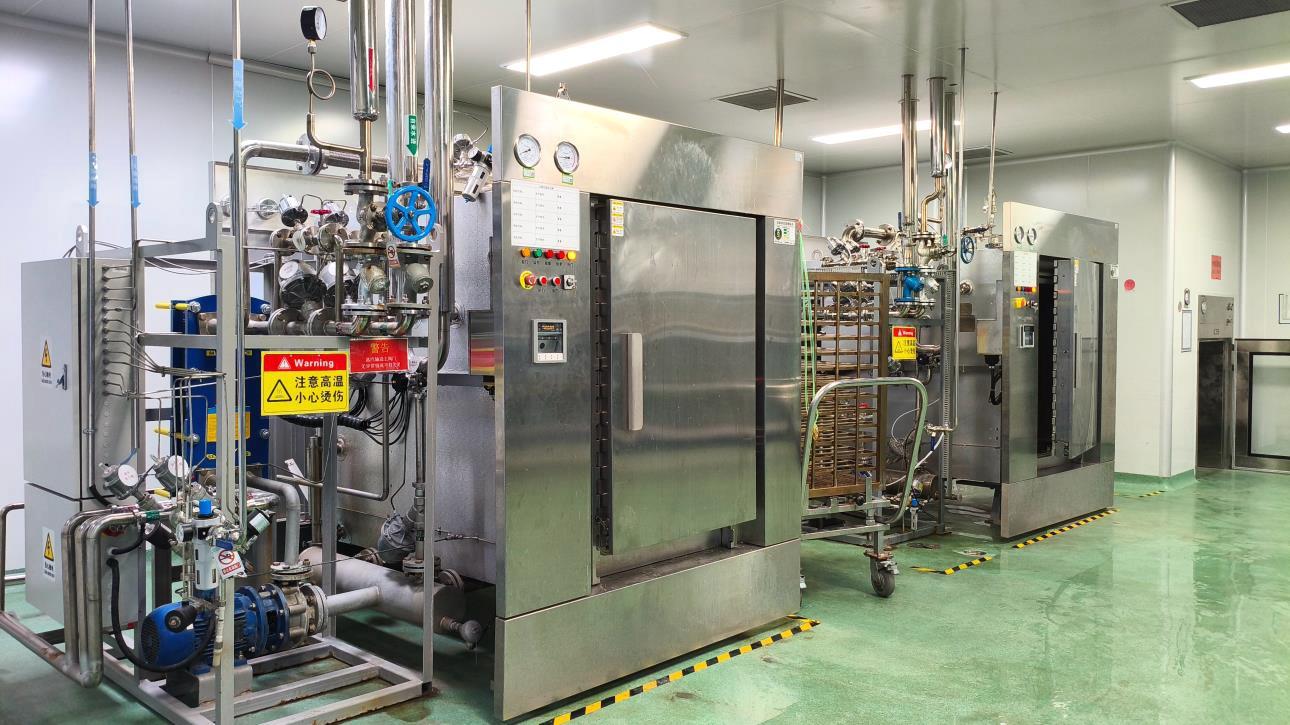
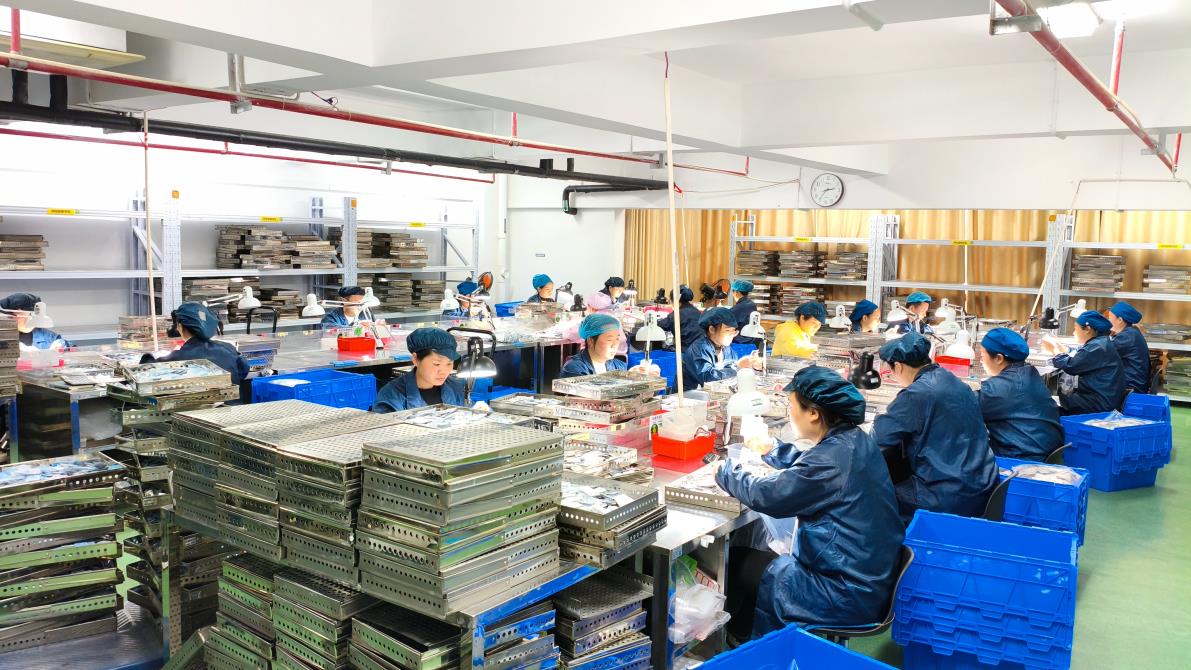
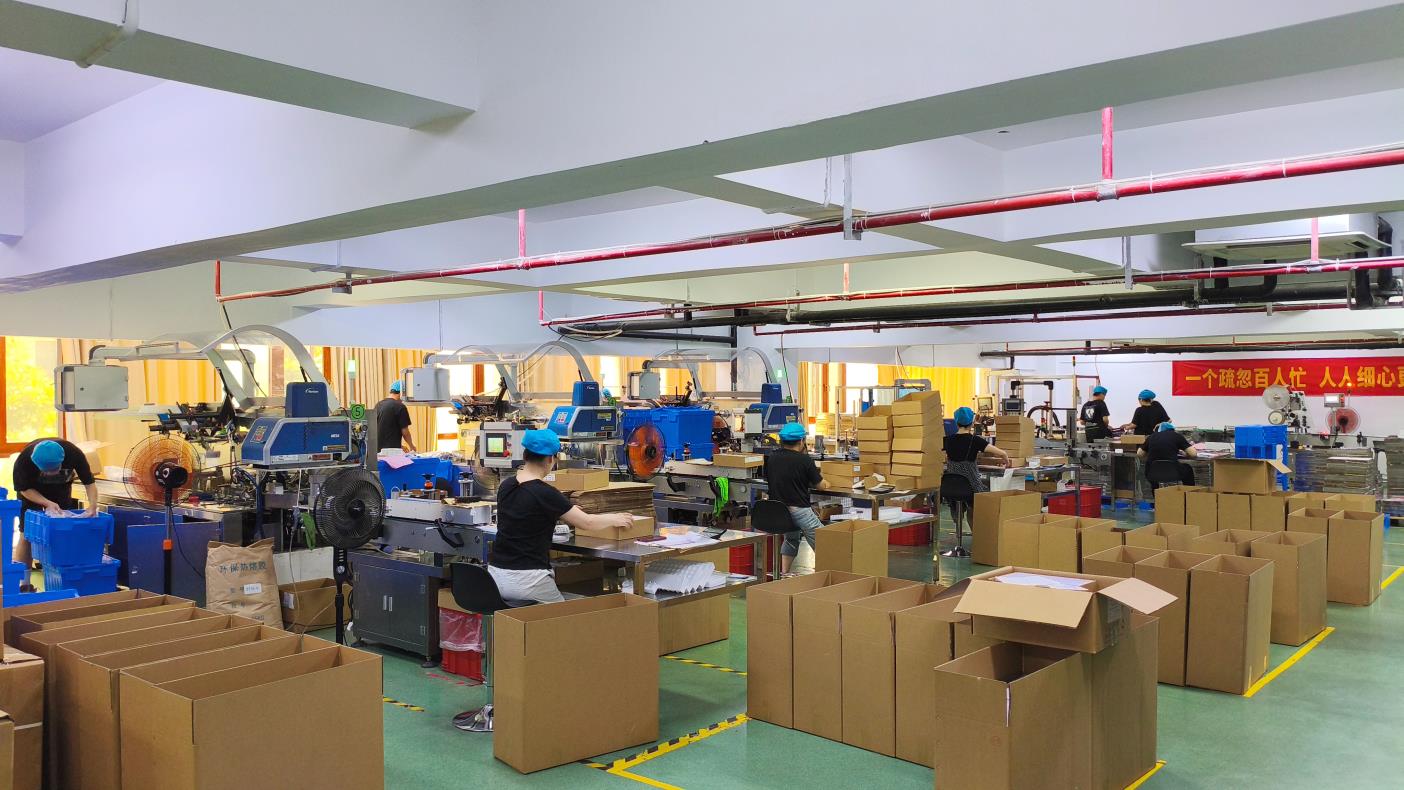
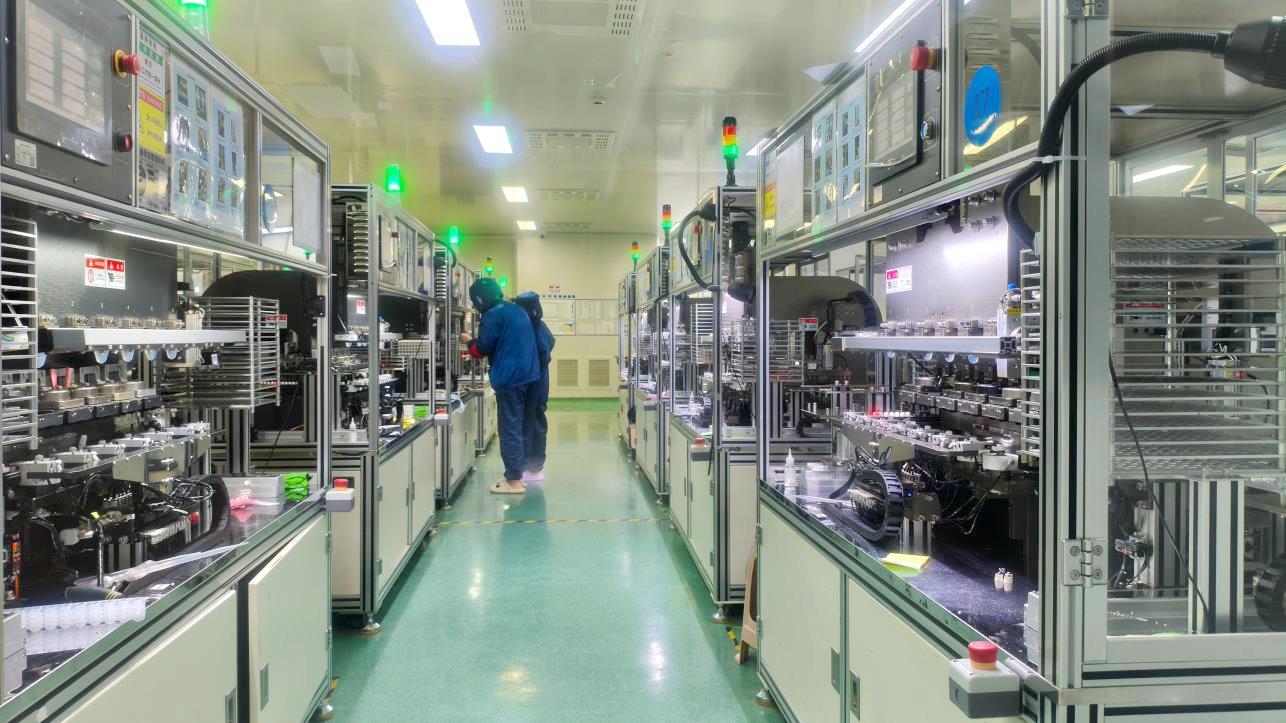
Why manufacturing in Dongguan translates to structural reliability, rapid turnarounds, and compliance stability for global brands.
Guangzhou Blink Lenses Trading Co., Ltd. operates its manufacturing lines in the globally recognized industrial hub of Dongguan, China. This strategic positioning provides a significant competitive advantage to our global B2B clients. The local ecosystem offers access to specialized polymer chemical suppliers, high-precision packaging mold toolmakers, and reliable logistics networks. This proximity allows us to compress production cycle times and respond quickly to market changes in a way that isolated factories cannot match.
In the medical device industry, delays of even a few days can disrupt retail launch campaigns or lead to inventory stockouts. In Dongguan, our raw material supply chain operates with maximum efficiency. We maintain relationships with premium monomer providers and sterilized packaging suppliers within a two-hour transit radius. By minimizing cross-border material dependencies for primary packaging components (such as specialized aluminum foil and PP cups), we shield our clients from geopolitical shocks and global shipping bottlenecks.
Higher production volume does not mean lower quality if automation is integrated correctly. Our Class 100,000 cleanroom houses automated high-speed cast-molding lines. These systems perform monomer dispensing, lens curing, demolding, and hydration without human contact. By replacing manual labor with mechanical precision, we lower human error rates, maintain a uniform edge profile, and reduce scrap rates. We pass these cost savings directly to our brand partners, giving them an advantage over competitors relying on older, manual technologies.
Leading the transition from traditional hydrogels to next-generation silicone elastomers and smart vision solutions.
The science of contact lenses revolves around the balance of two physical properties: oxygen transmission and material modulus. Our R&D team works closely with leading material science universities to push the boundaries of polymer chemistry. By focusing on materials with high oxygen permeability and low modulus, we ensure our lenses remain comfortable for extended wear.
Our traditional hydrogel lenses use advanced formulations of PHEMA (Poly-2-hydroxyethyl methacrylate) combined with NVP (N-vinyl pyrrolidone) to optimize water retention. These polymers create a stable water matrix that prevents the lens from drawing moisture from the wearer’s tear film. However, we are actively transitioning our product portfolio toward next-generation Silicone Hydrogel (SiHy) materials. These structures use silicone channels to deliver up to four times more oxygen directly to the cornea compared to traditional hydrogels, virtually eliminating hypoxia-induced redness.
Silicone is naturally hydrophobic and prone to attracting proteins. To address this, our technical roadmap focuses on advanced surface modification. We utilize low-temperature plasma treatment and internal wetting agent integration. This wraps the silicone core in a hydrophilic envelope, ensuring the lens surface remains clean and wettable throughout the day. This technology is critical for cosmetic colored lenses, where the pigments must be safely locked inside the lens layers to prevent contact with the sensitive corneal epithelium.
Environmental eye health is a key priority. Our latest R&D projects integrate Class 1 UV-blocking monomers directly into our polymer mix, filtering out over 90% of UVA and 99% of UVB rays. In addition, we are testing blue-light filtering monomers designed to reduce digital eye strain for wearers who spend long hours looking at screens. This development will allow our B2B partners to market a dual-purpose health and cosmetic product to modern consumers.
Navigating regulatory pathways and providing customized distribution support for diverse markets.
Contact lenses are classified as medical devices globally, and entering localized markets requires strict compliance. For distributors in the European Union, the transition to the Medical Device Regulation (MDR 2017/745) has created complex registration barriers. Guangzhou Blink Lenses Trading Co., Ltd. provides comprehensive regulatory support, maintaining CE certification and working under ISO 13485 quality systems to help clients register products successfully.
Our dedicated regulatory department provides B2B clients with complete technical documentation. We supply sterilization validation records, biocompatibility test results (including cytotoxicity, systemic toxicity, and ocular irritation evaluations), and raw material safety datasheets (MSDS). Having these files ready simplifies the import process through customs and speeds up approvals with national health authorities, including the European Medicines Agency (EMA) and local ministries of health.
We recognize that different regions have unique market requirements. Whether you require customized multi-language labels for EU compliance, localized shipping arrangements, or targeted point-of-sale displays, our team is equipped to help. We offer flexible private-label packaging options, ranging from sleek, minimalist blister packs to high-volume paper boxes, ensuring your products align with local consumer expectations from day one.
Key technical and commercial answers for B2B procurement managers, opticians, and distributors.
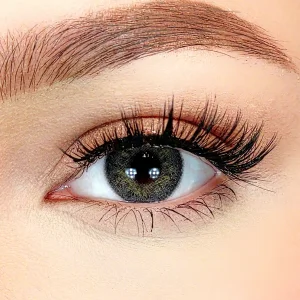
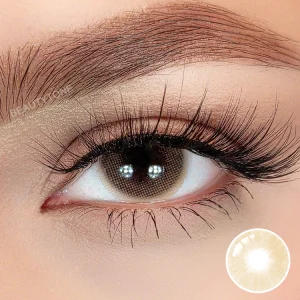
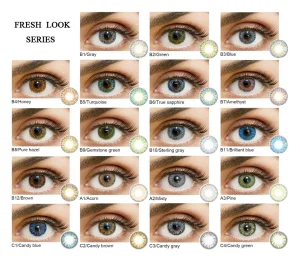
Browse our specialty color lenses and custom packaging options designed to elevate your brand presence in the global retail market.
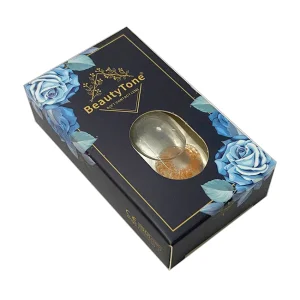


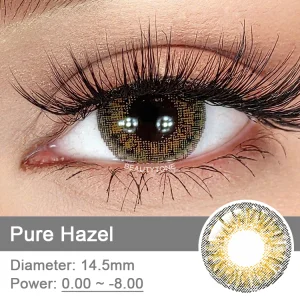
 Blink Lenses