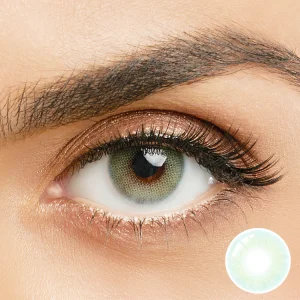
Explore our customizable OEM designs featuring medical-grade color formulations, high oxygen permeability, and advanced structural integrity built for global standard markets.



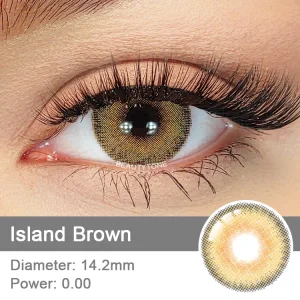

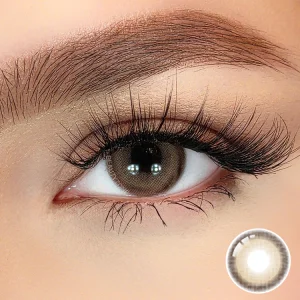
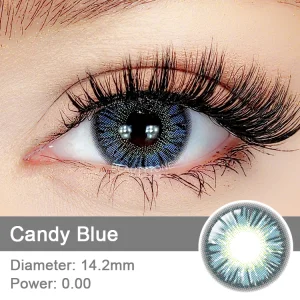
The global contact lens industry continues to experience exponential growth, driven by rapid urbanization, rising astigmatic and presbyopic populations, and the explosive demand for cosmetic colored lenses. However, this growth has brought the critical issue of contact lens disposal to the forefront of environmental policy and manufacturing engineering. Modern daily, weekly, and monthly disposable lenses are primarily composed of advanced optical polymers such as hydrogel (e.g., Poly-HEMA) and silicone hydrogels. Although these materials offer exceptional oxygen transmissibility and hydration dynamics to the wearer, their robust cross-linked structures mean they do not easily degrade in natural environments.
Research indicates that billions of contact lenses are discarded annually. A significant percentage of end-consumers continue to dispose of contact lenses down household water drains. This introduces micro-polymers directly into municipal wastewater streams, where they undergo mechanical fragmentation but resist biological treatment. As a result, microplastics aggregate in sewage sludge, which is frequently applied as crop fertilizer, or bypass municipal filtration altogether to enter marine ecosystems. In response, international regulatory bodies are shifting their focus from consumer awareness to mandatory Extended Producer Responsibility (EPR), making lens manufacturers and exporters central to waste mitigation strategies.
Preventing chemical degradation products and microplastics from entering municipal aquifers via strict waste compliance standards.
Adhering to European Union and FDA-mandated packaging circularity, targeting 100% recyclable secondary casing and blister components.
Developing molecularly optimized hydrogels that balance in-eye biostability with predictable external degradation profiles.
As sustainability becomes a primary consumer decision driver, the vision care industry is adopting circular lifecycle principles. Forward-looking OEM/ODM manufacturers are focusing on two parallel developmental pathways:
Moreover, global export markets are demanding transparent green supply chain validation. Exporters who provide documented "Zero Waste to Landfill" certifications for their manufacturing facilities gain a significant competitive advantage in markets such as Germany, Japan, and the United States, where green sourcing protocols are strictly enforced by major optical chains.
Located in the manufacturing hub of Dongguan, China, Guangzhou Blink Lenses Trading Co., Ltd. is an industrial-scale manufacturer specializing in the R&D and mass production of high-quality contact lenses and cosmetic colored lenses. We operate a fully integrated facility that bridges cutting-edge optical technology with robust supply chain capabilities.
As a dedicated B2B partner, we specialize in OEM, ODM, and turnkey private-label solutions. From material compounding (Hydrogel/Polyhema) to bespoke pattern design and compliant blister packaging, Chic Contacts provides global distributors and vision care brands with unparalleled stability, scale, and safety.
Every stage of our Dongguan facility workflow is engineered to maximize materials efficiency, enforce micro-dosing to prevent polymer waste, and maintain clinical sterility.
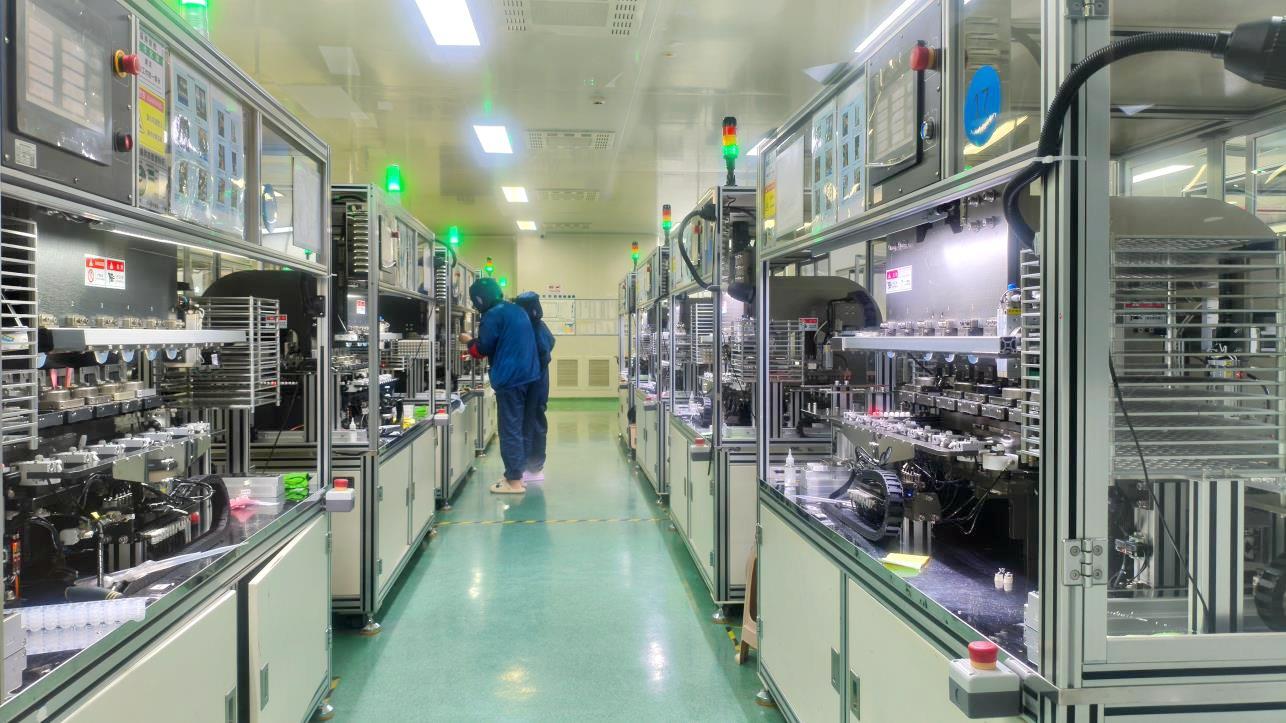
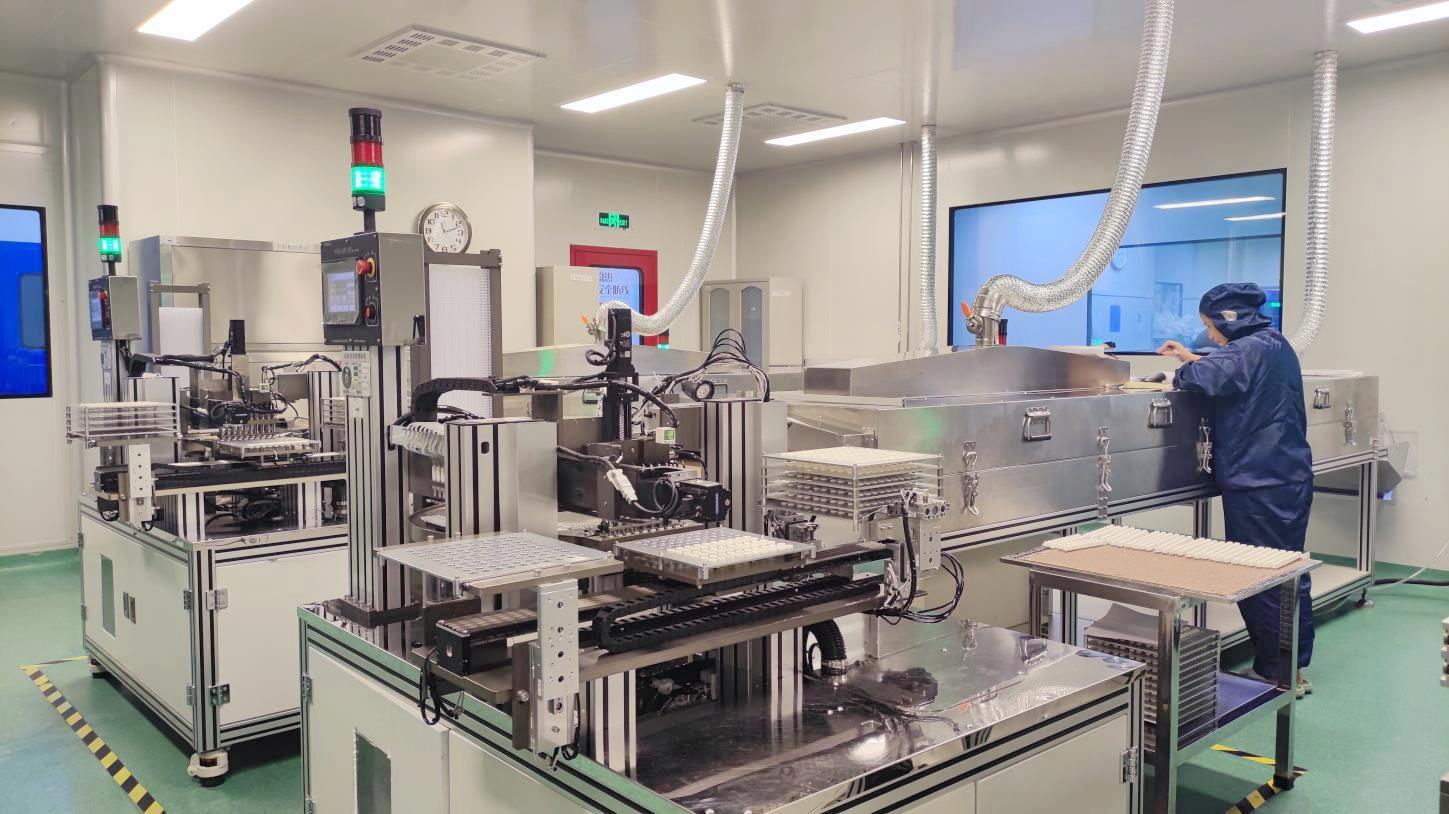
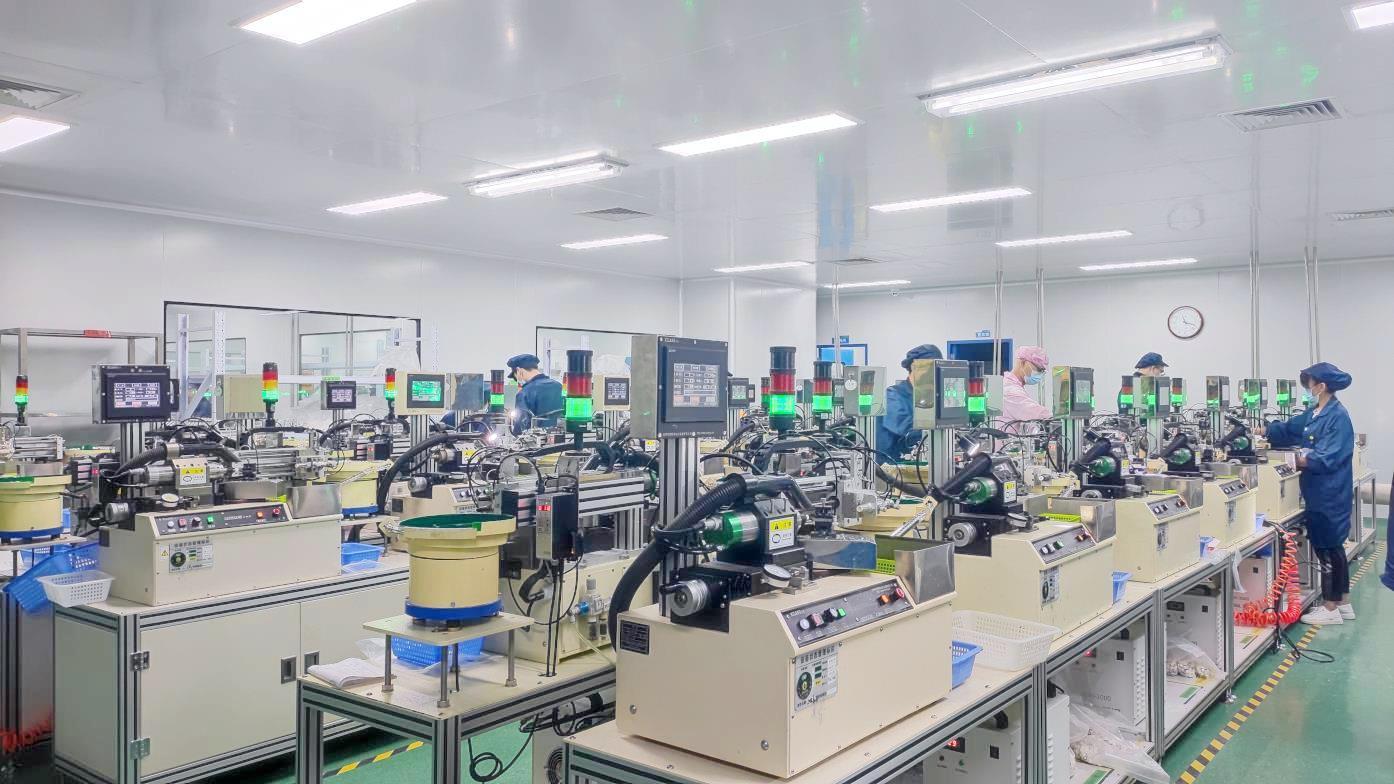
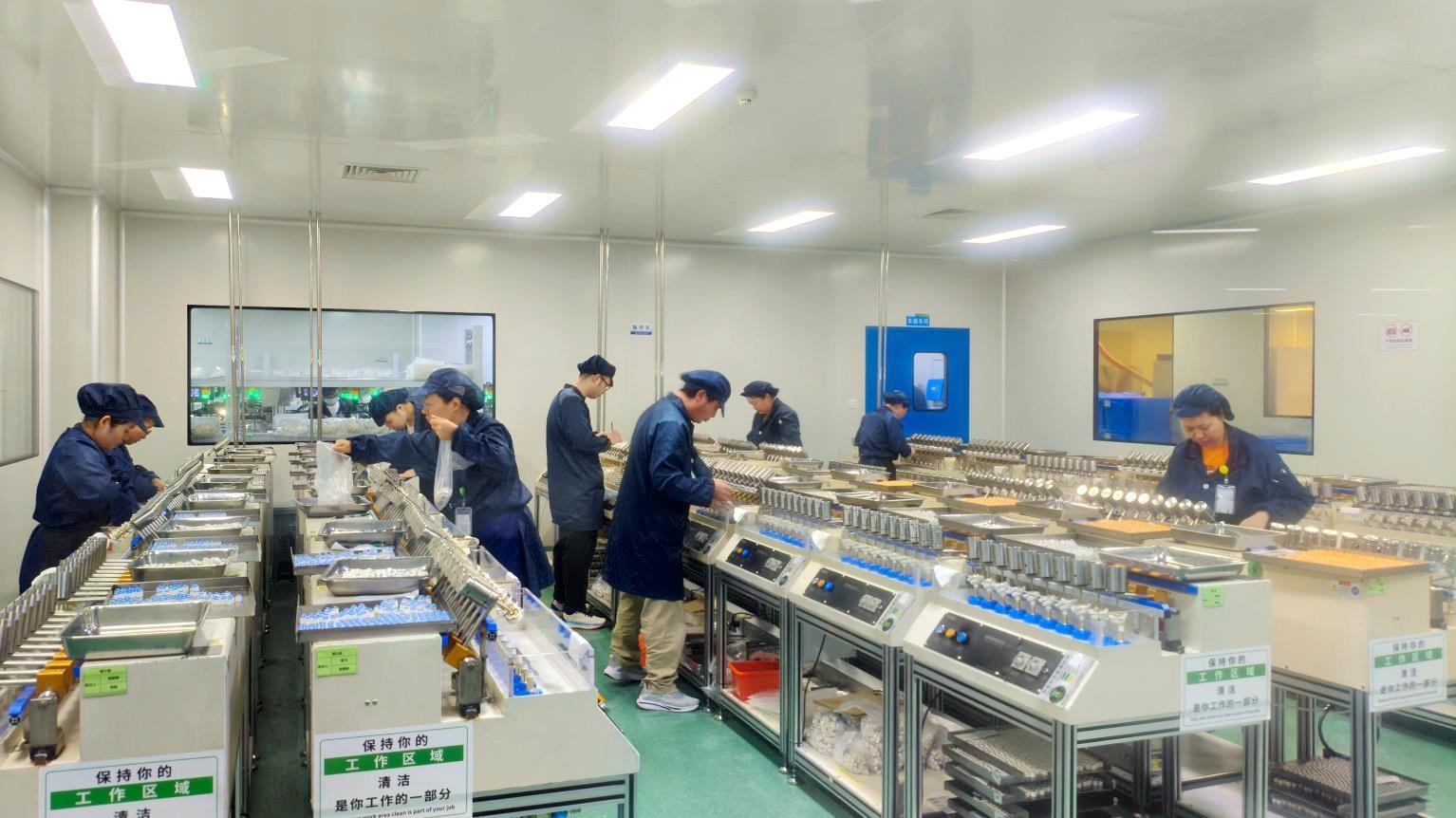
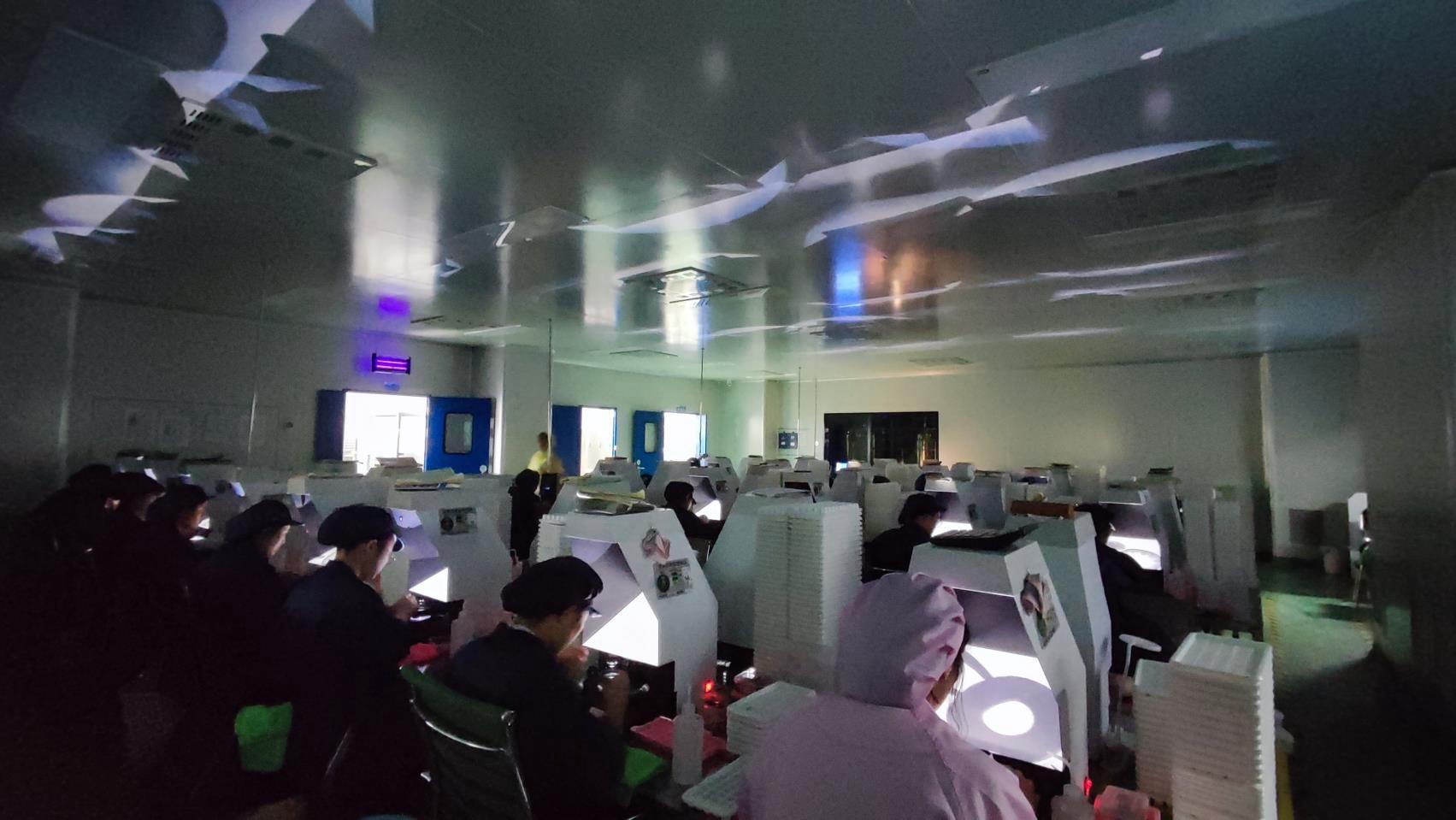
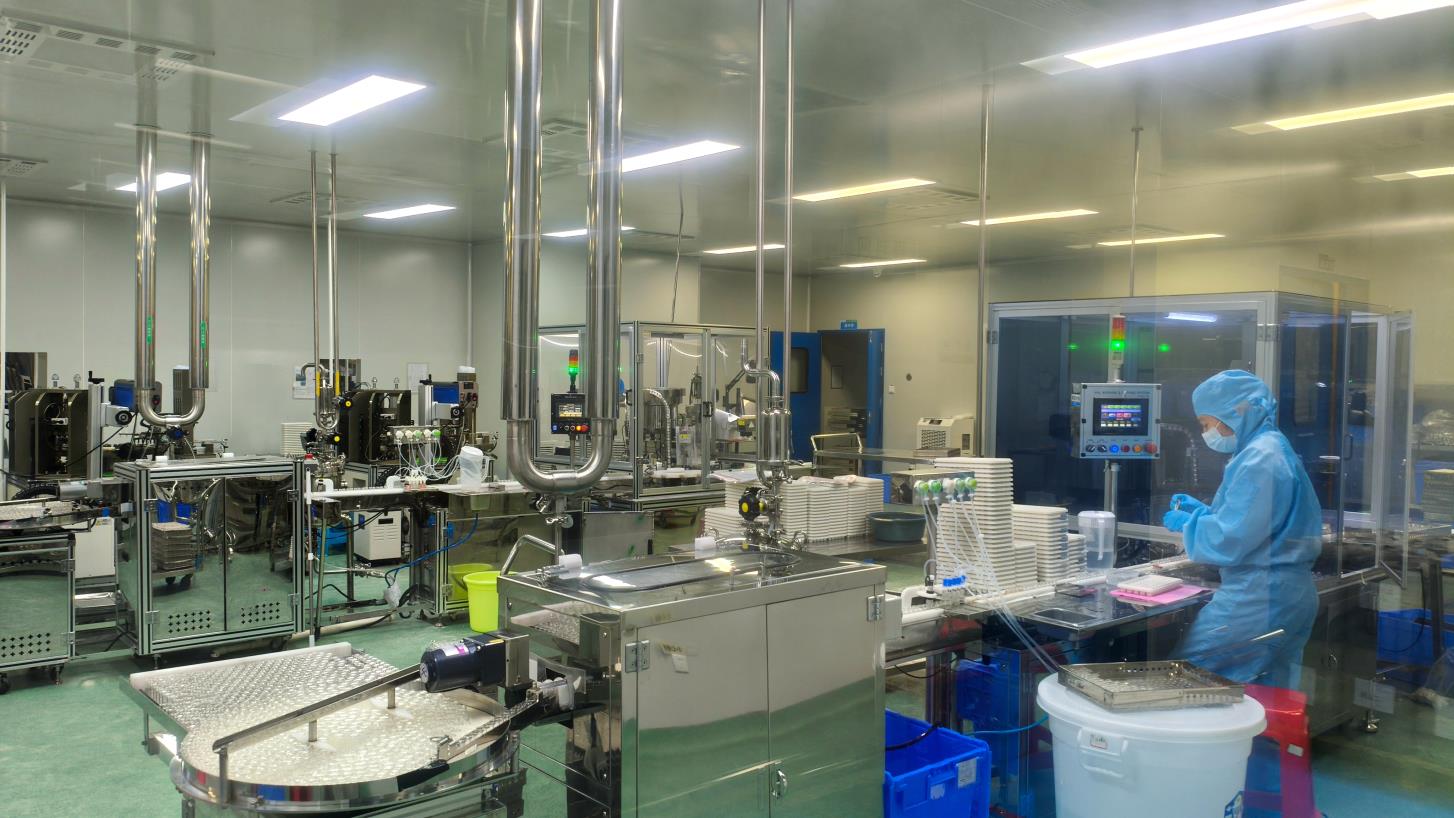
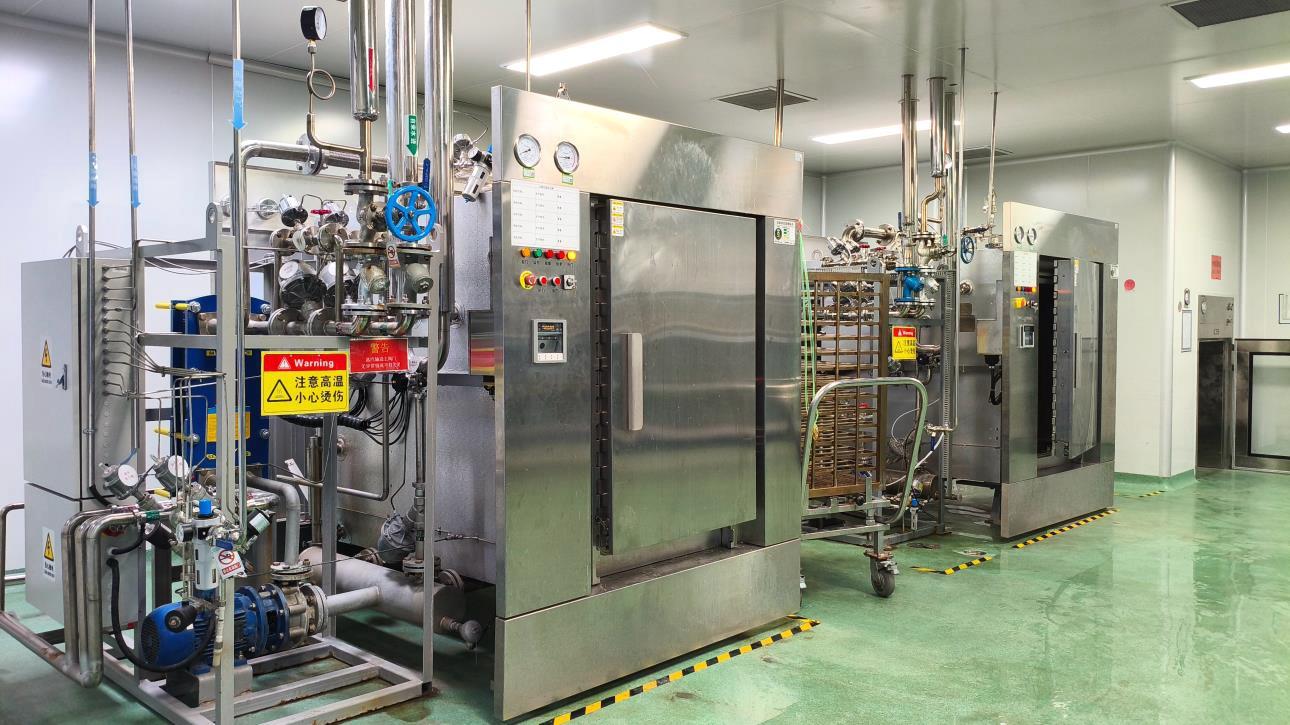
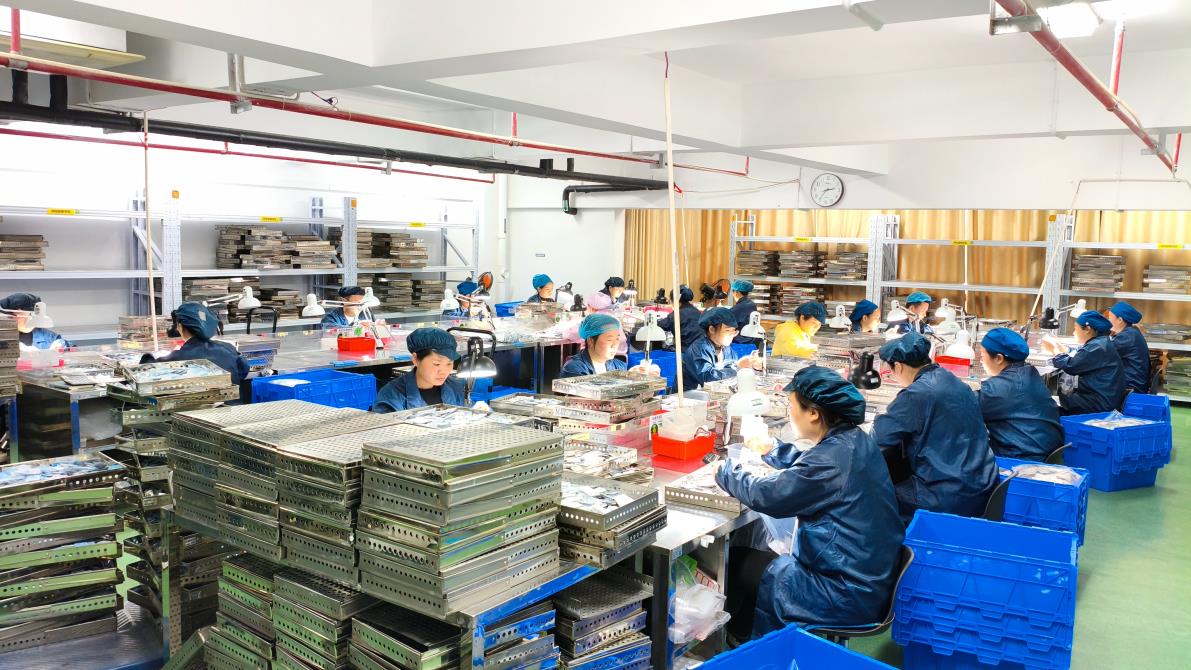
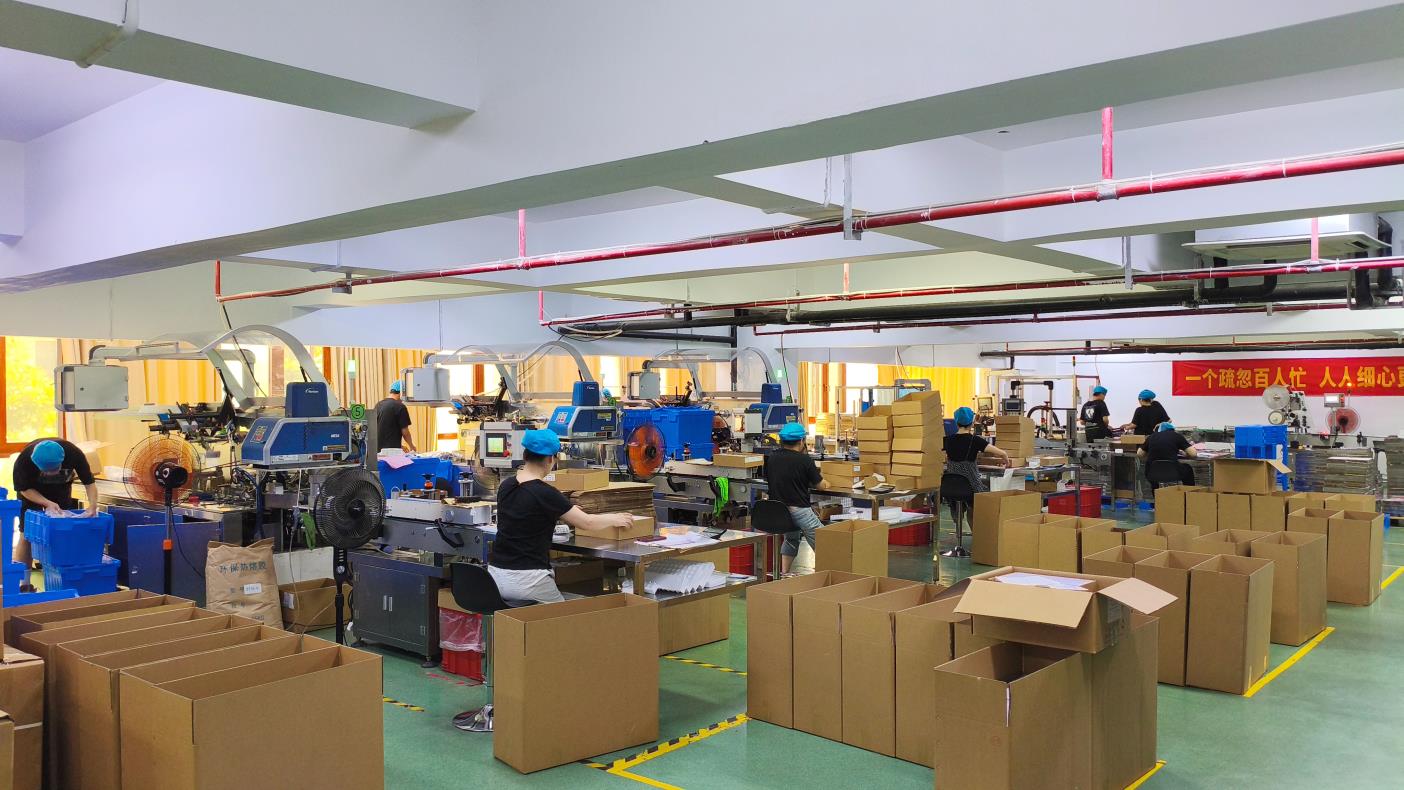
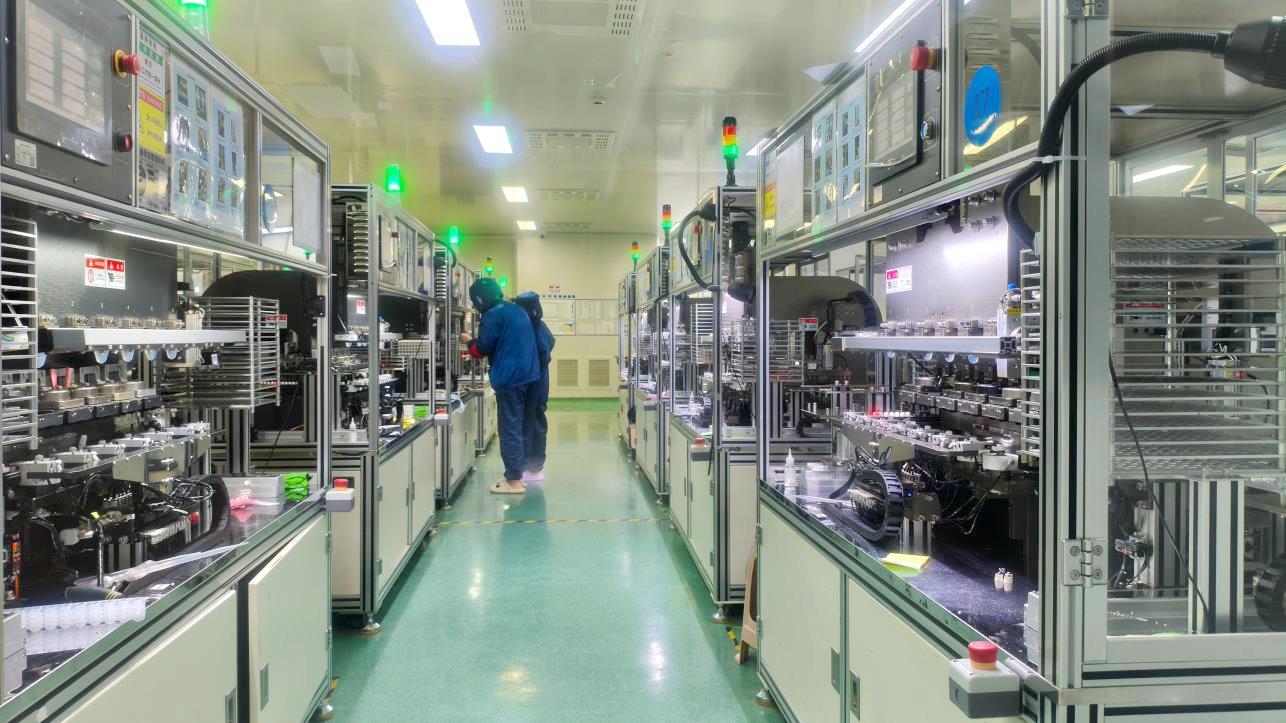
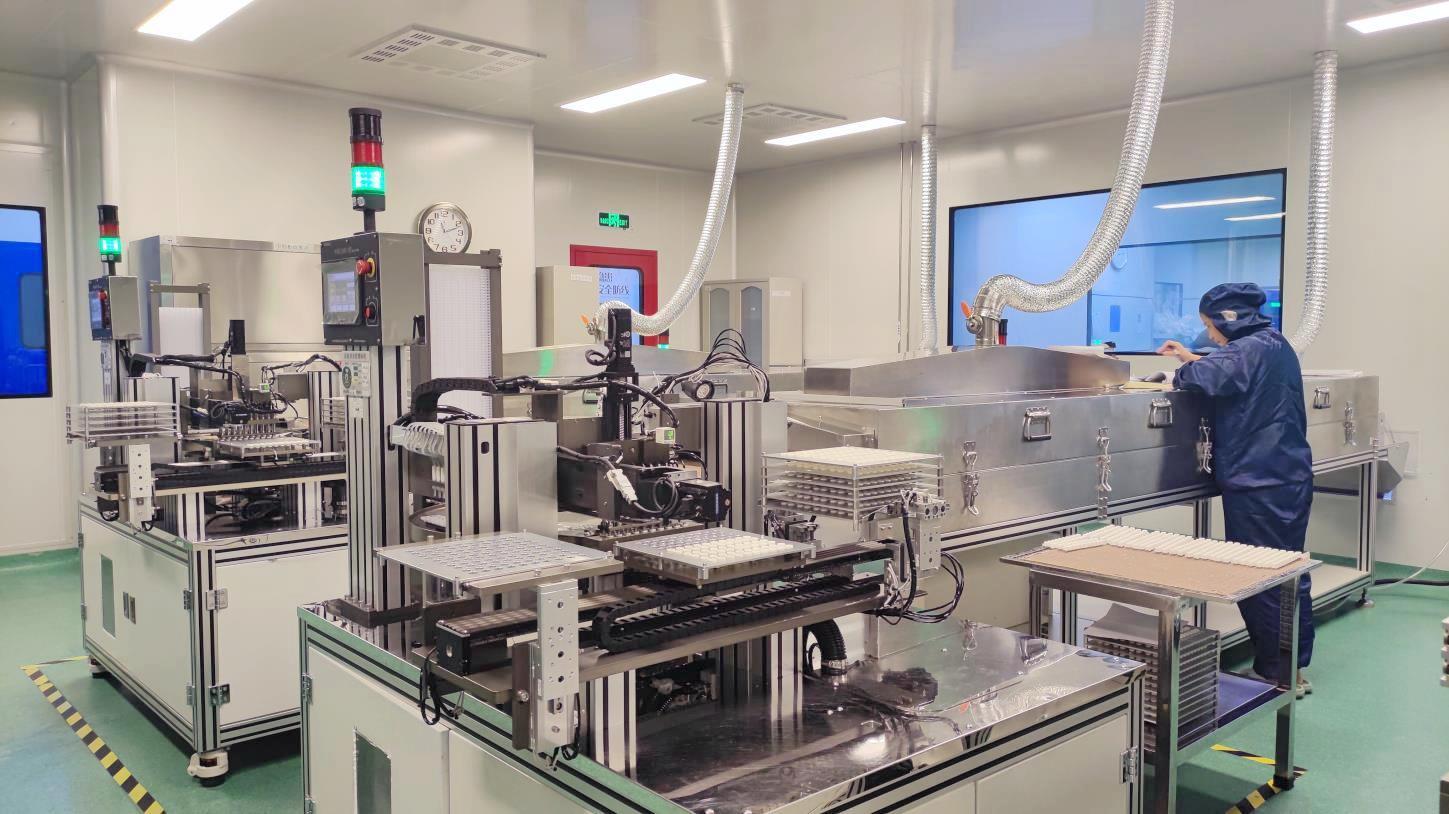
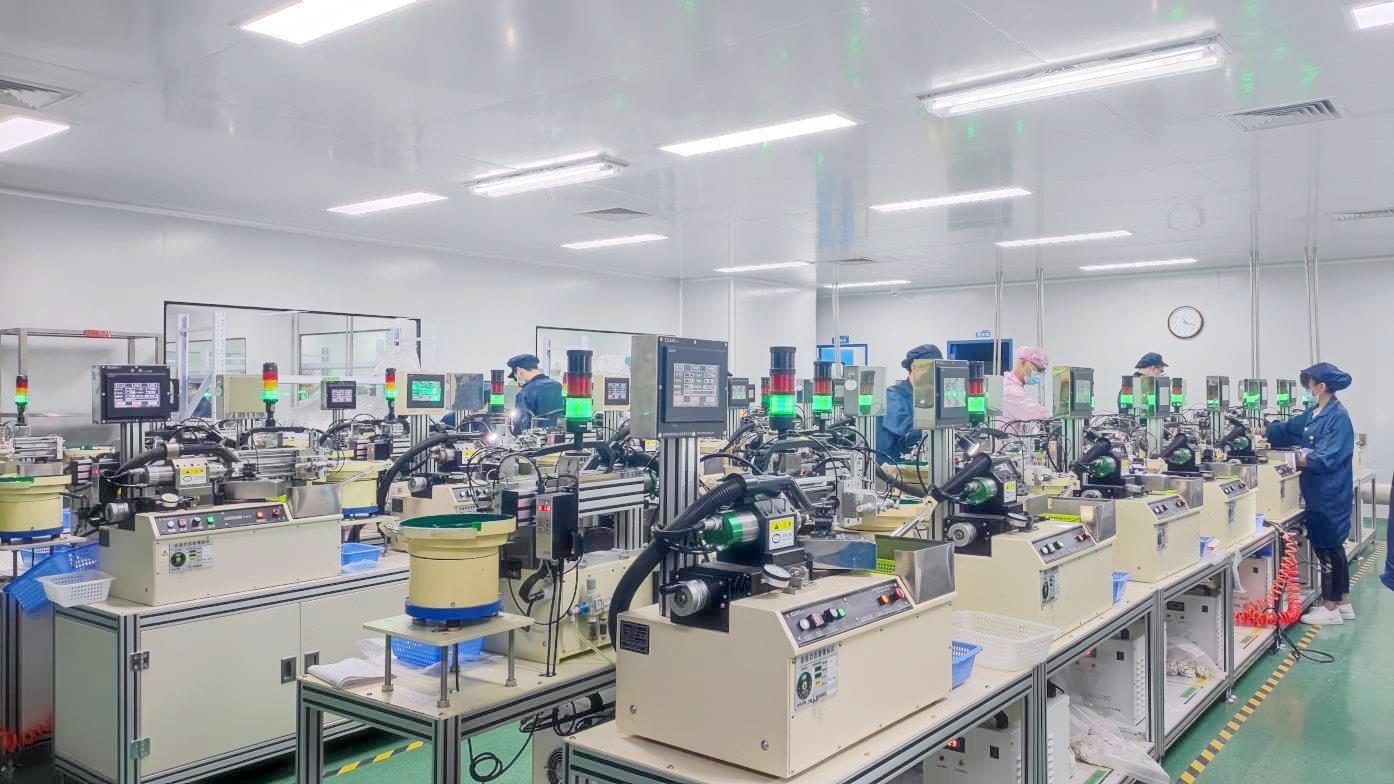
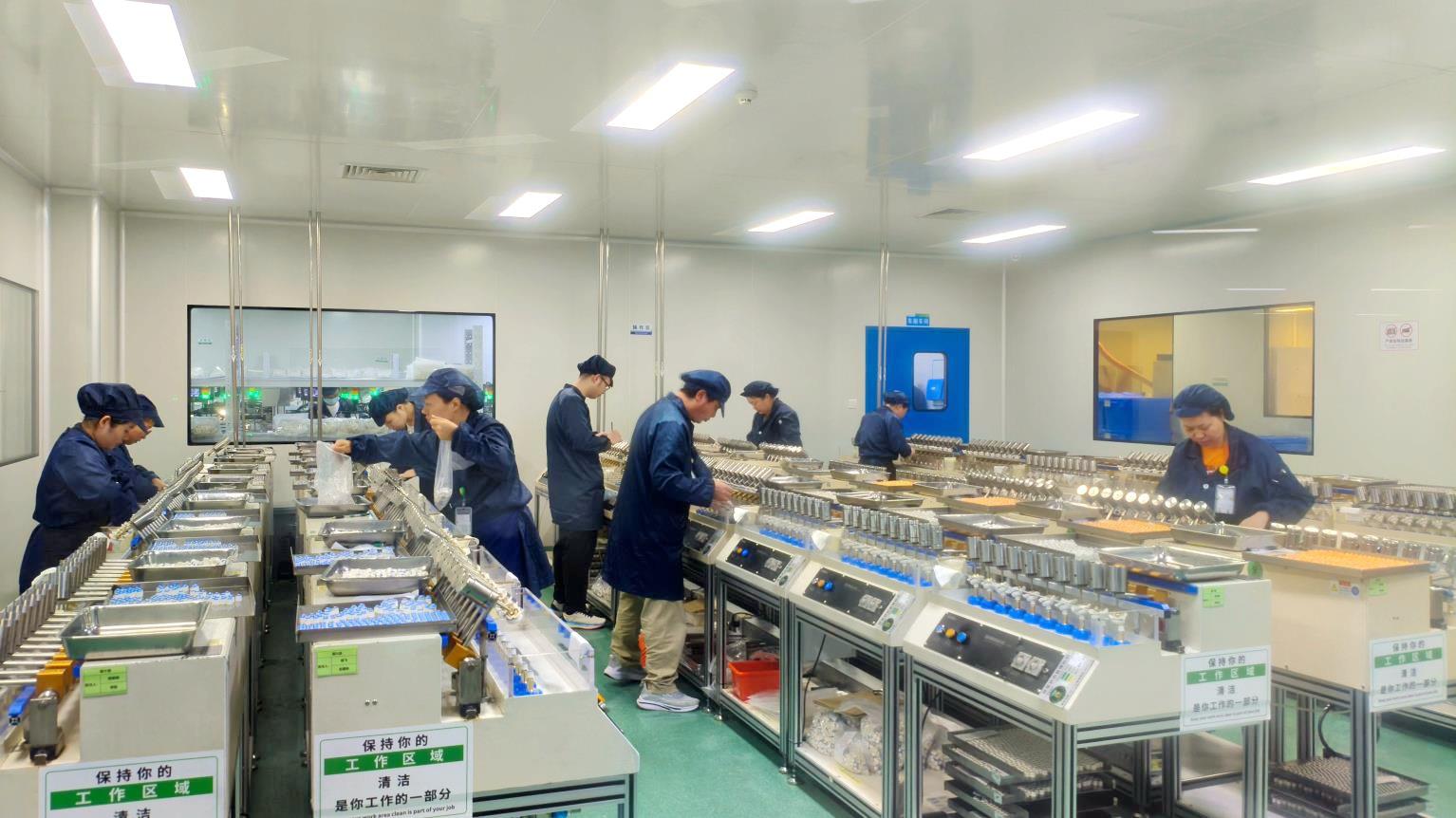
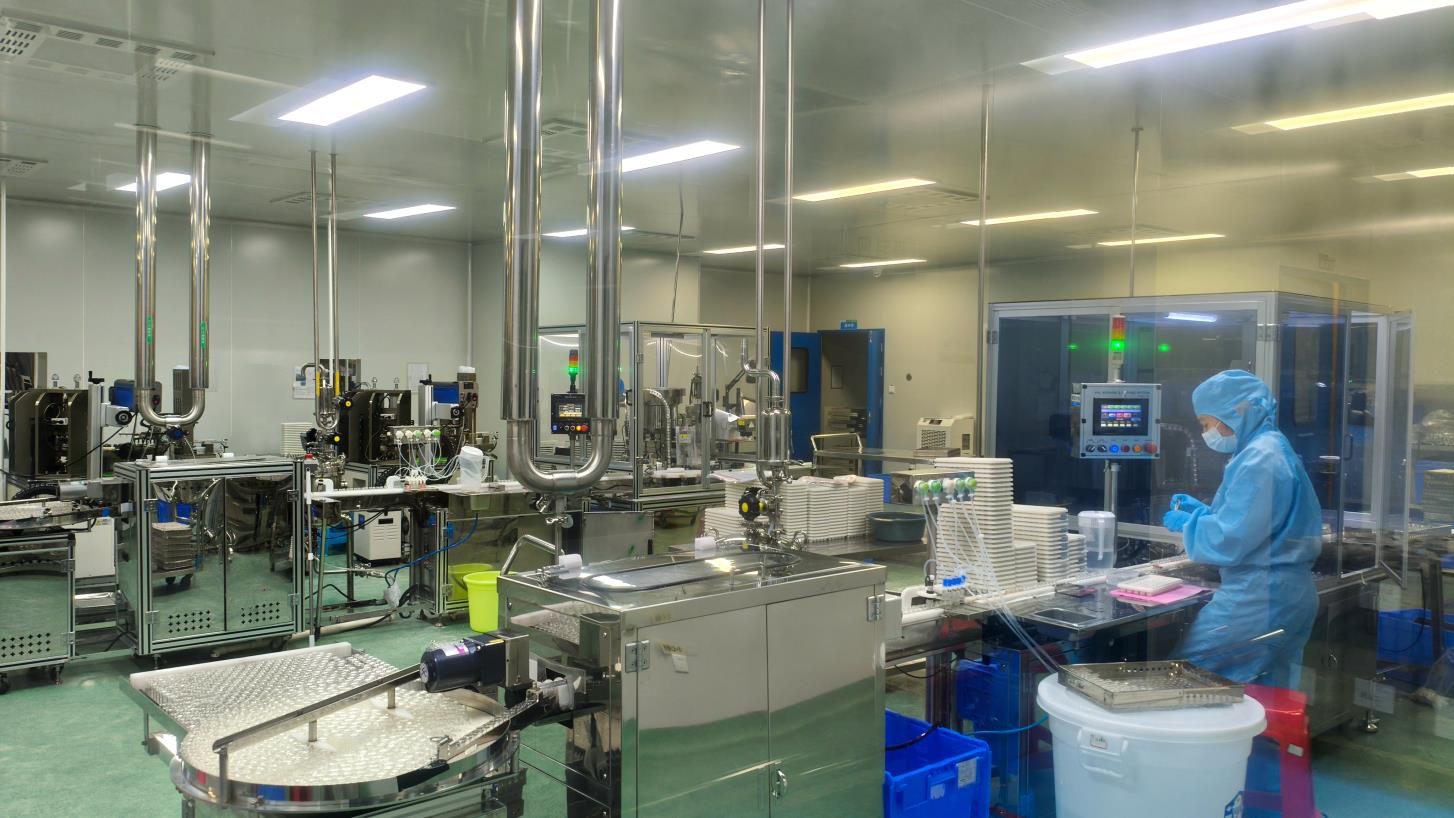
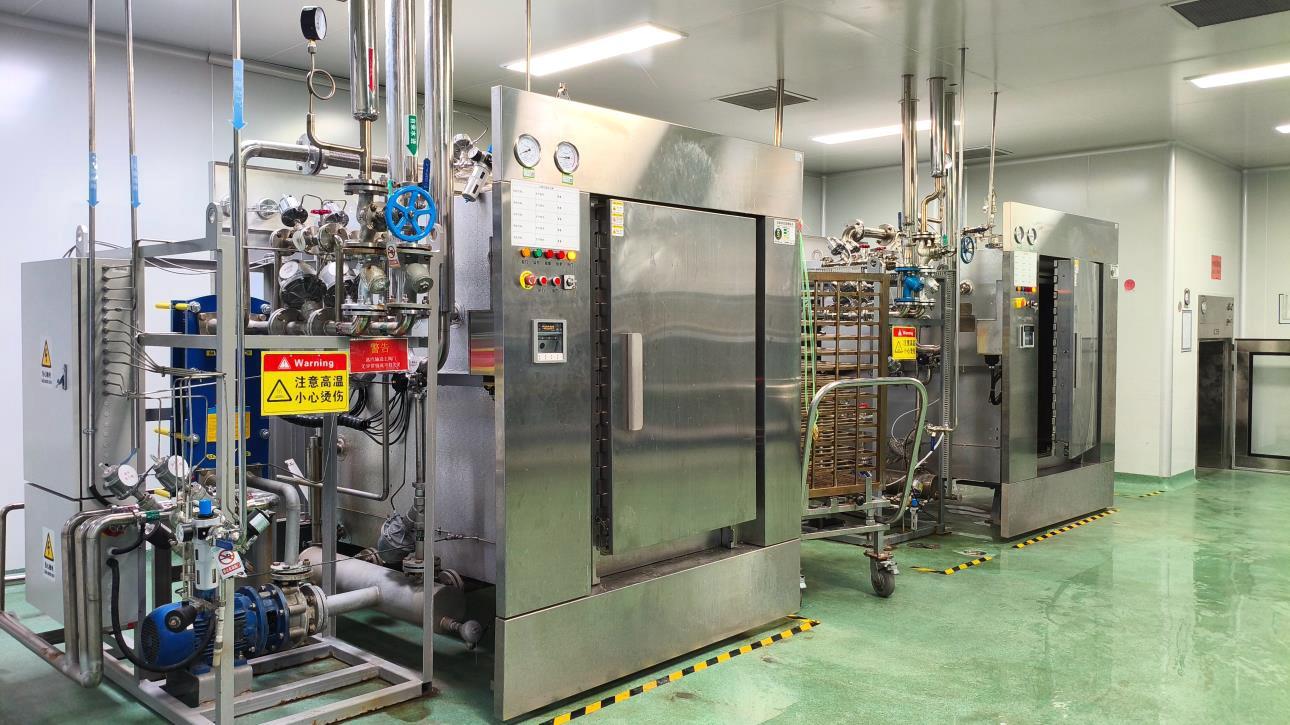
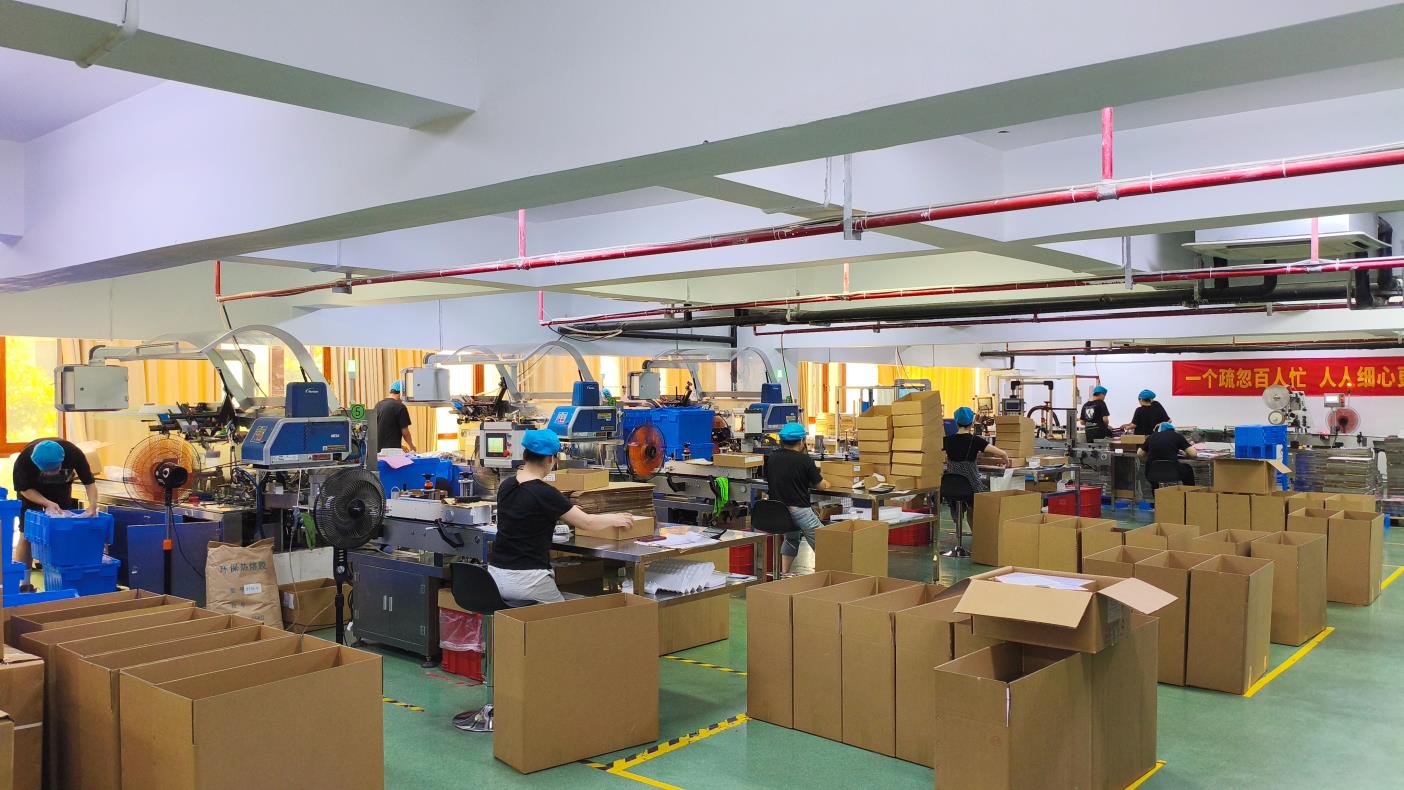
To establish safe, compliant, and ecological lens disposal methods, the manufacturing sector must implement rigorous environmental controls at the material compounding stage. Standard contact lens formulations utilize polymer monomers like HEMA mixed with cross-linkers, UV blockers, and colorants. Our engineers at Guangzhou Blink Lenses Trading Co., Ltd. leverage advanced cast-molding systems to ensure that excess monomer solution is localized and cured within closed systems, mitigating liquid chemical waste runoff.
Precision turning and semi-die injection machines operate with sub-micron tolerances. Minimizing physical defect rates reduces bulk polymer scrap. By employing high-speed optoelectronic projection inspection and FQC workflows, defective units are caught immediately prior to hydration, keeping unusable raw materials in their dry, non-expanded, easily recyclable states.
Once cast-molded, the contact lens undergoes hydration, converting the stiff polymer disc into a soft, flexible hydrogel matrix. This stage requires significant water volume. Implementing closed-loop water purification processes allows the reuse of sterile water throughout the hydration cycle, reducing total freshwater consumption by up to 40%. The saline solution used for the final blister fill is carefully calculated, eliminating waste packaging volume during the high-speed inner packaging and sealing phases.
Custom OEM brands can specify thin-walled polypropylene blister cavities. Polypropylene (PP5) is one of the most widely accepted recyclable plastics in industrial recycling programs. By reducing the thickness of the blister cup while maintaining structural integrity during sterilization cabinet processing, we minimize plastic mass per lens unit by 15-20%.
For B2B importers and global distributors, selecting a manufacturer that actively mitigates disposal concerns at the source is critical. Depending on the target consumer market, compliance requirements change significantly:
US and Canadian distributors face scrutiny under state-level microplastic laws. Exporters must ensure that product documentation specifies clear end-user instructions on the secondary carton, advising wearers not to flush lenses. Brand owners can partner with national collection programs to provide consumers with dedicated mail-in return pouches for both lenses and blister packs.
In Europe, contact lenses fall under rigid waste directives. Importers must often pay a waste recovery levy based on the total tonnage of plastic imported. Choosing thin-walled blister packaging and lightweight folding outer cartons from certified sustainable forestry resources directly reduces these regulatory costs.
Rapidly developing urban areas are experiencing highly localized garbage classification rules. Lenses are classified as medical waste or dry residual waste, while cardboard boxes are classified as paper recycling. High-density color printing on boxes must use soy-based biodegradable inks to facilitate clean paper pulp recycling.
Technical and regulatory answers regarding contact lens recycling, material safety, and OEM sustainability guidelines.
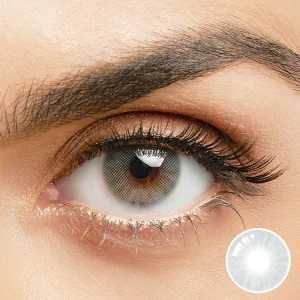
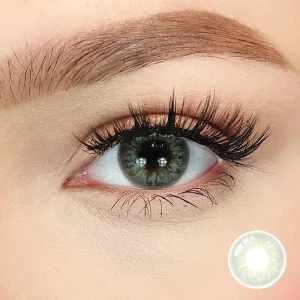
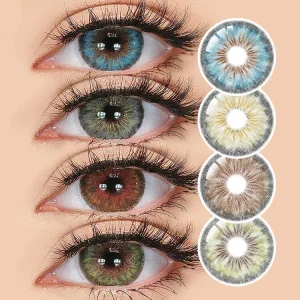
Select from our certified global models for customized private labels, featuring safety-tested pigments and precision-molded edges.



 Blink Lenses