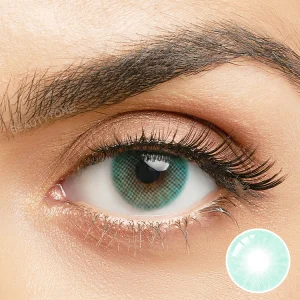
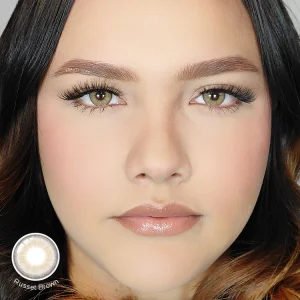
Explore our flagship OEM/ODM contact lens products, engineered with high oxygen transmissibility and certified color encapsulation layers for maximum safety.
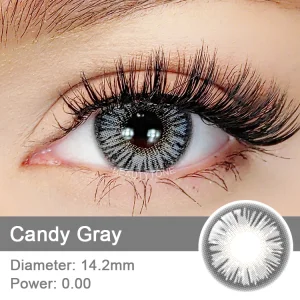

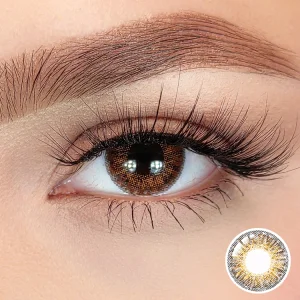
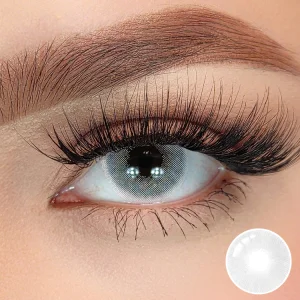
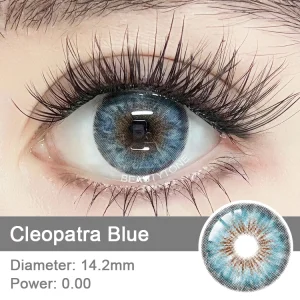
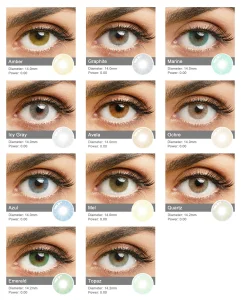
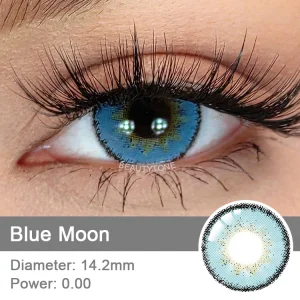
The global cosmetic contact lens market has evolved from a niche novelty into a mainstream pharmaceutical-grade beauty segment. Driven by advances in organic macromolecular synthesis and automated manufacturing, global distributors require partners capable of delivering stylistic variety without compromising optical and physiological safety. As medical devices classified under strict regulatory frameworks worldwide, stylish contact lenses require manufacturers that possess advanced technical capabilities, rigorous validation pathways, and highly reliable supply chain setups.
Modern consumers and search engines look for E-E-A-T credentials beyond basic pricing. A reliable factory must prove it manages raw monomer purity, pigment-locking engineering (avoiding Direct Printing on eye-facing layers), and certified serialization to ensure consistent, premium eyewear supply.
Today's distributors do not merely buy inventory; they license comprehensive quality systems. Success in this vertical is determined by a supplier's capability to offer high oxygen permeability (Dk/t), surface moisture retention, stable centration dynamics, and high-fidelity multi-tone printing, allowing brands to dominate local markets seamlessly.
Core Sourcing Competencies:
A leading B2B manufacturing powerhouse combining optical R&D, automated lines, and end-to-end supply chain integration.
Guangzhou Blink Lenses Trading Co., Ltd. is an industrial-scale manufacturer specializing in the R&D and mass production of high-quality contact lenses and cosmetic colored lenses. Located in the manufacturing hub of Dongguan, China, we operate a fully integrated facility that bridges cutting-edge optical technology with robust supply chain capabilities.
As a dedicated B2B partner, we specialize in OEM, ODM, and turnkey private-label solutions. From material compounding (Hydrogel/Polyhema) to bespoke pattern design and compliant blister packaging, Chic Contacts provides global distributors and vision care brands with unparalleled stability, scale, and safety.
Our infrastructure is engineered to remove supply vulnerabilities for international buyers. With our strategically placed plant in Dongguan, we leverage local advanced material ecosystems while enforcing strict medical-grade QA checks that outperform basic commercial standards.
A microscopic view of our step-by-step casting, hydration, sterilization, and validation workflow.
Multi-tone micro-injection of biocompatible color pigments inside the mold boundary, creating natural patterns that do not touch ocular tissue.
Accurate injection of high-purity liquid monomer (HEMA/Hydrogel mixes) into dry cast-mold halves, controlled via precise micro-fluidic nozzles.
High-precision lathe machining creates micro-accurate optical zones and custom edge parameters to maximize physiological fit.
State-of-the-art orbital polishing eliminates minor microscopic surface variations, ensuring high oxygen flow and reduced dry-eye symptoms.
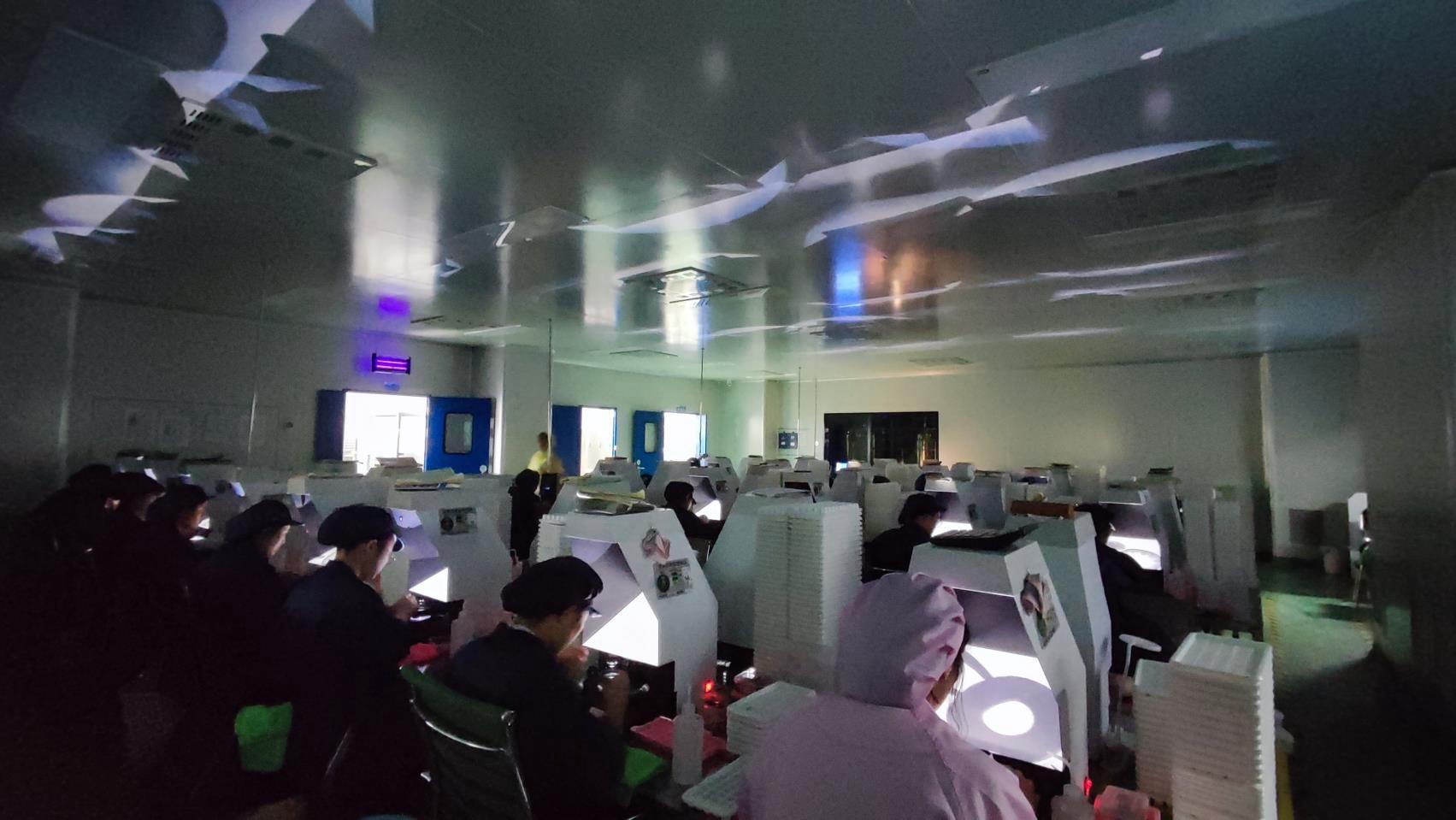
Optical projection systems scan finished lens geometries to verify power profile, alignment, edge profile, and physical stability.
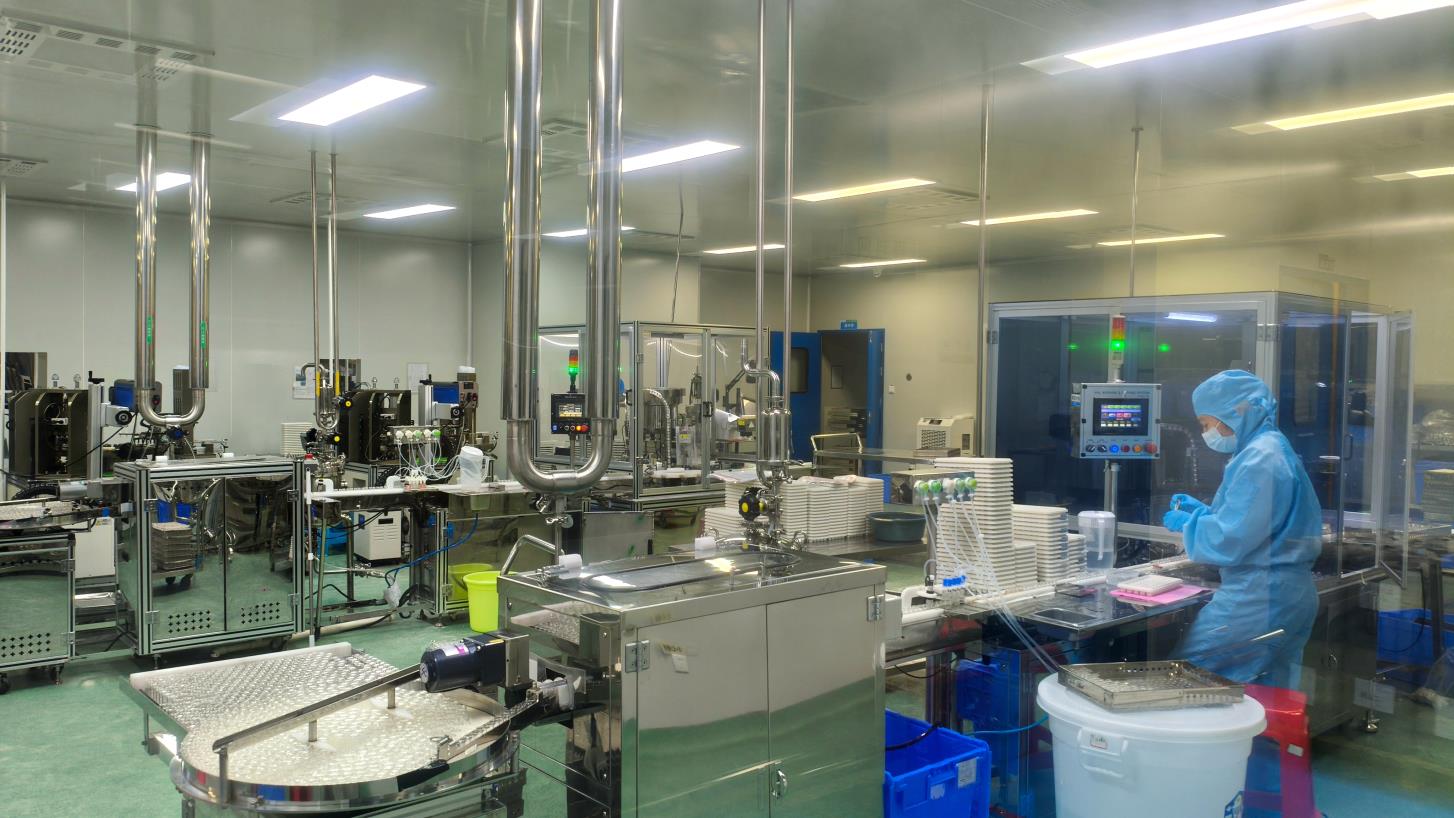
Lenses are positioned inside sterile blister cups filled with buffered saline containing lubricating polymers, and heat-sealed with foil layers.
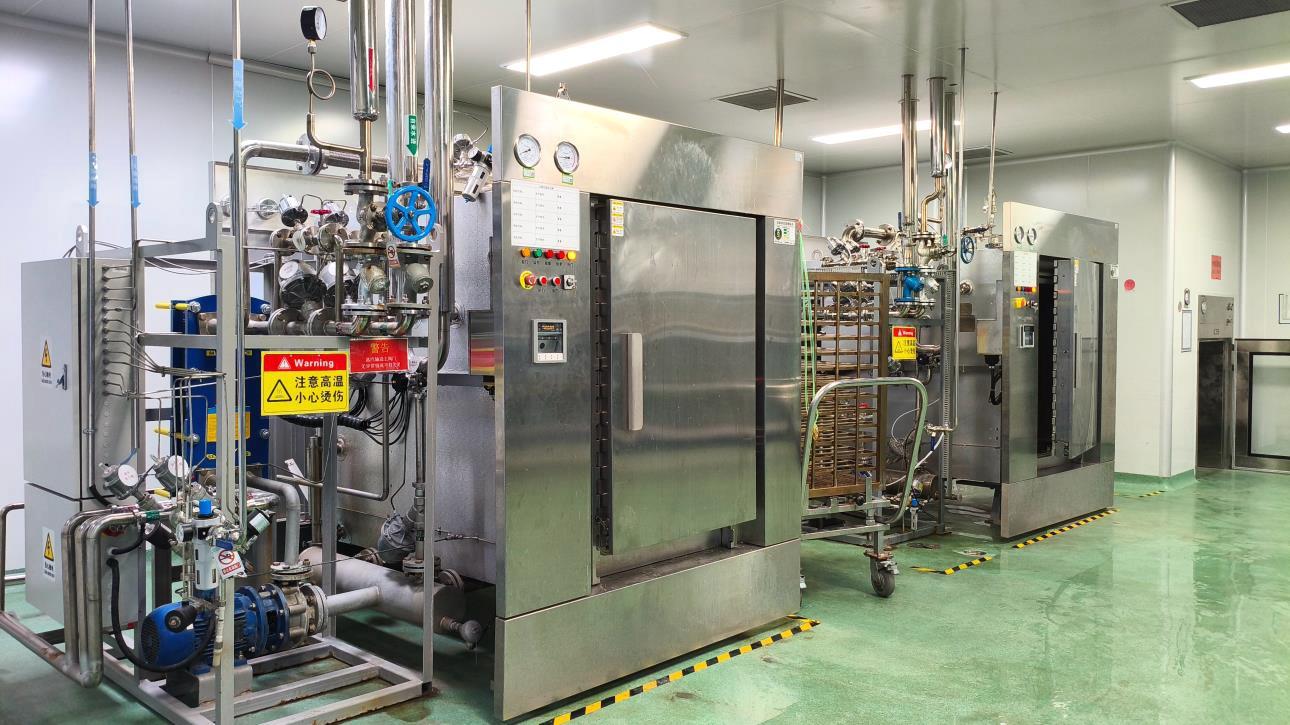
Valid moist-heat autoclave systems eliminate bacteria and spores to meet international sterile product parameters.
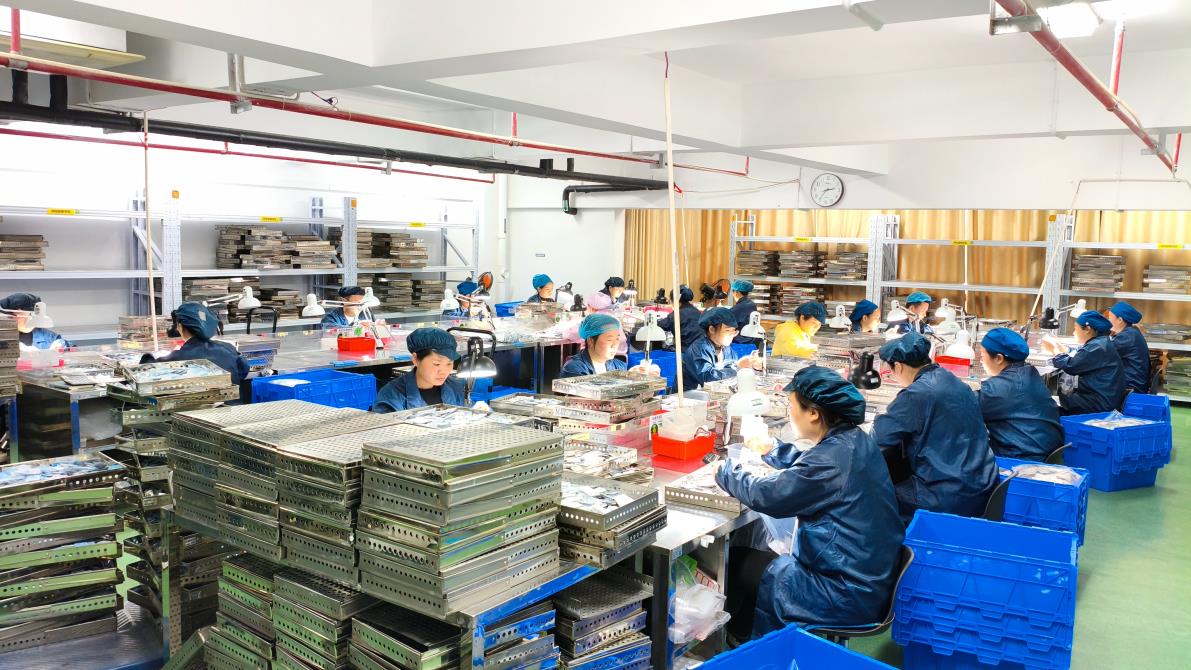
Final Quality Control inspects optical power, extractable levels, and physical metrics of randomized product batches.
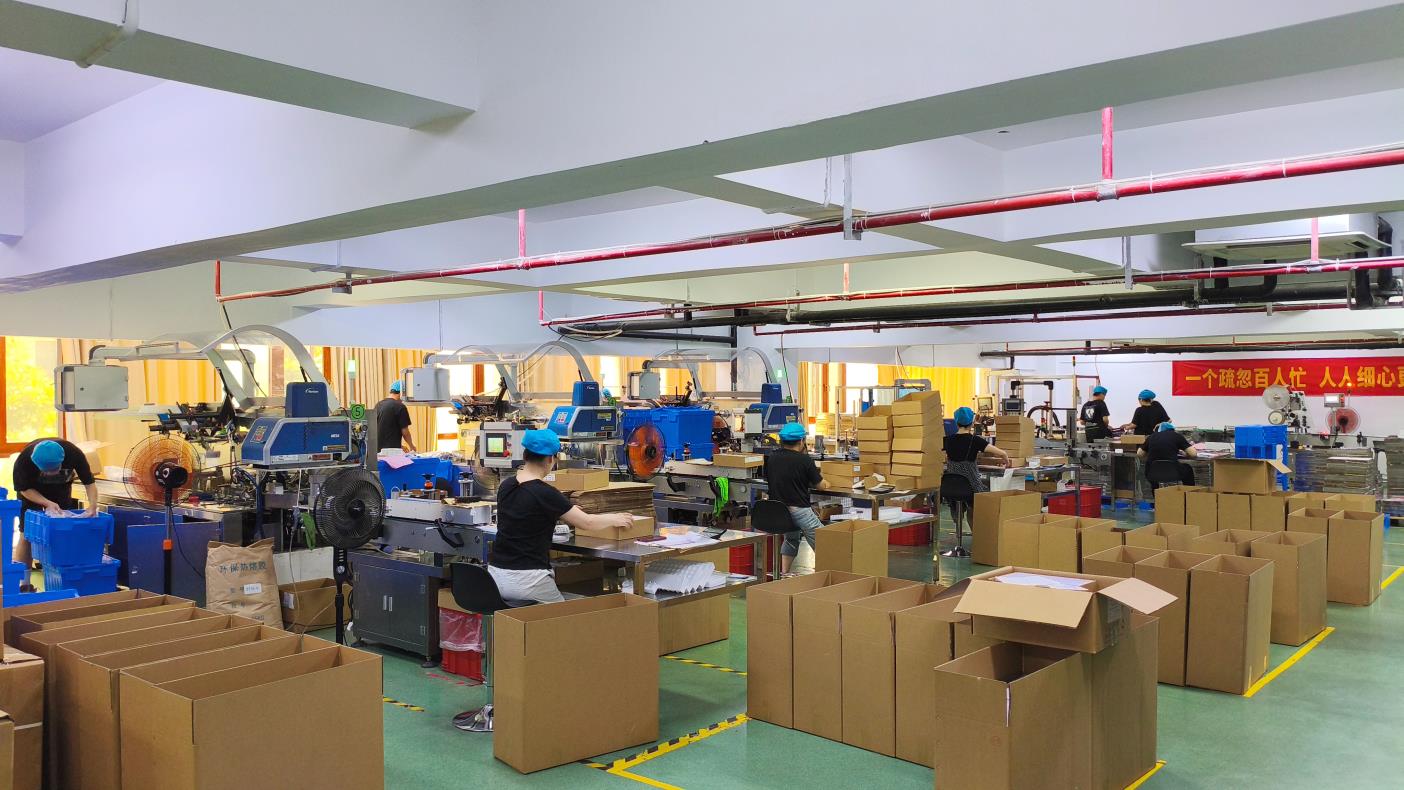
Finished blisters are packed into custom boxes with user manuals, batch bar-codes, and expiration dates for global shipping.
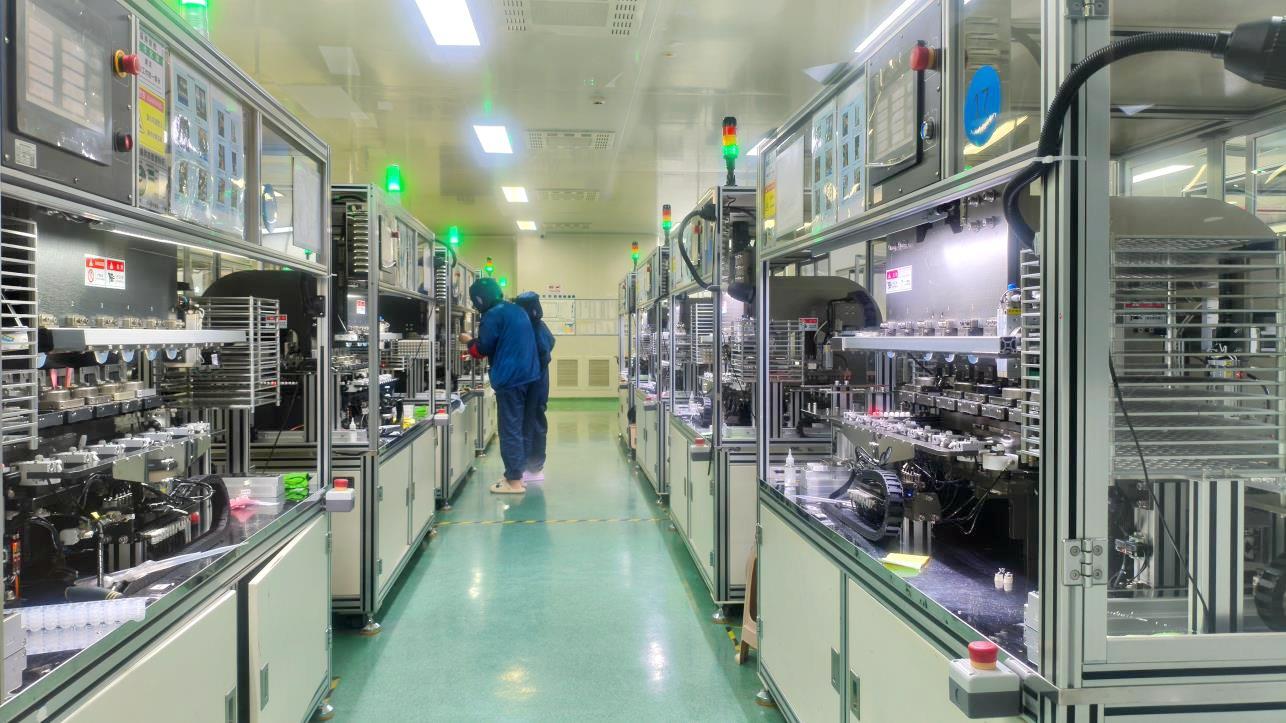
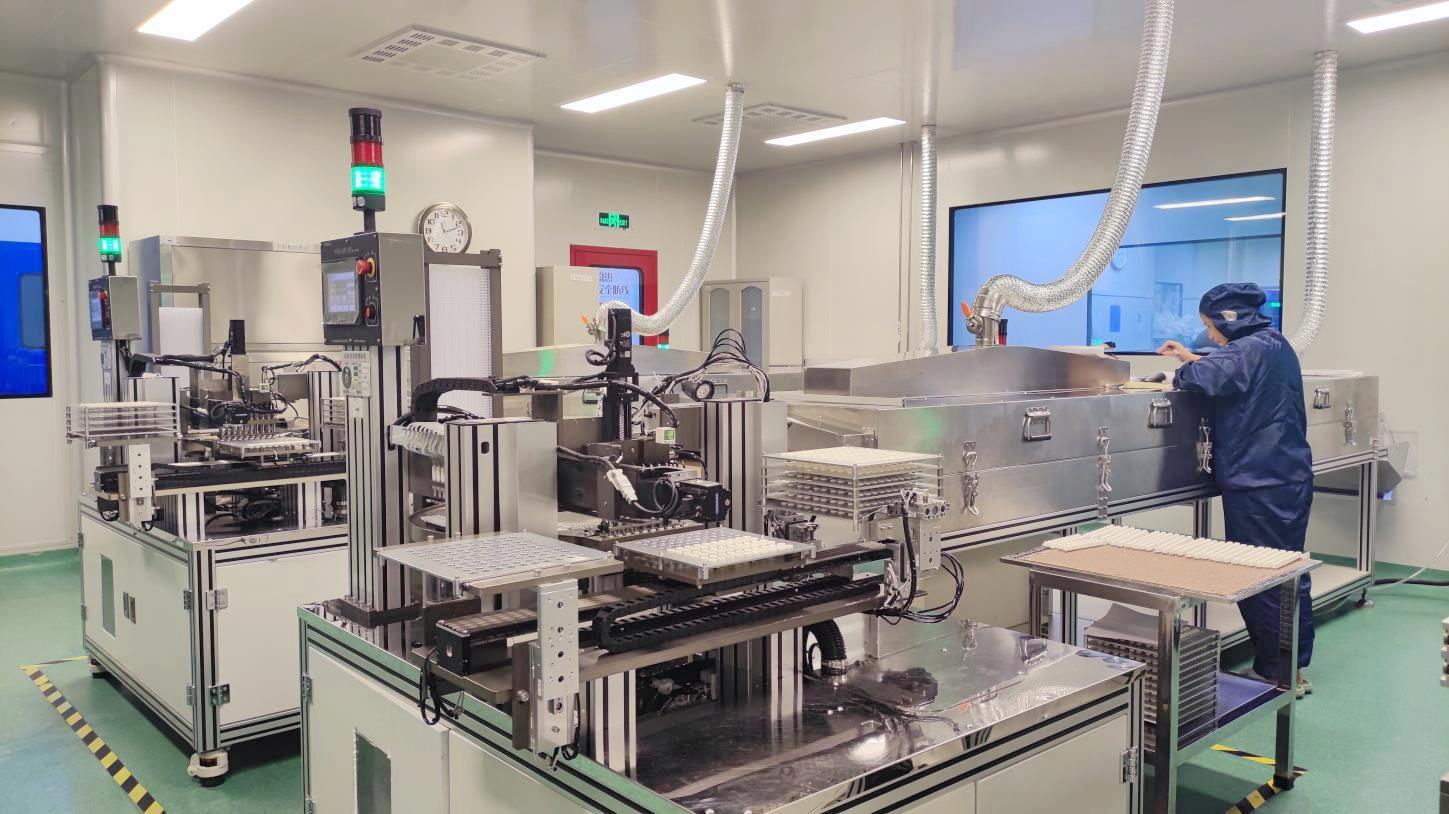
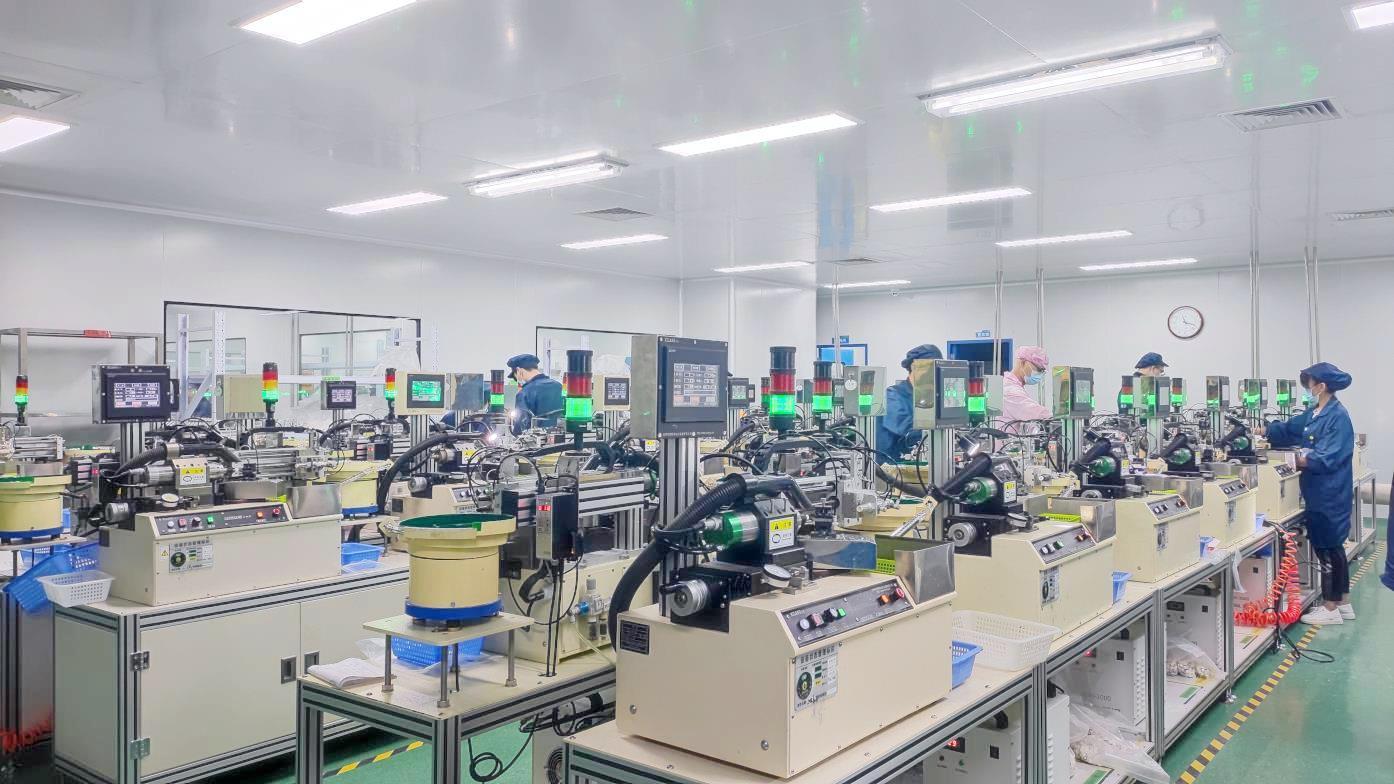
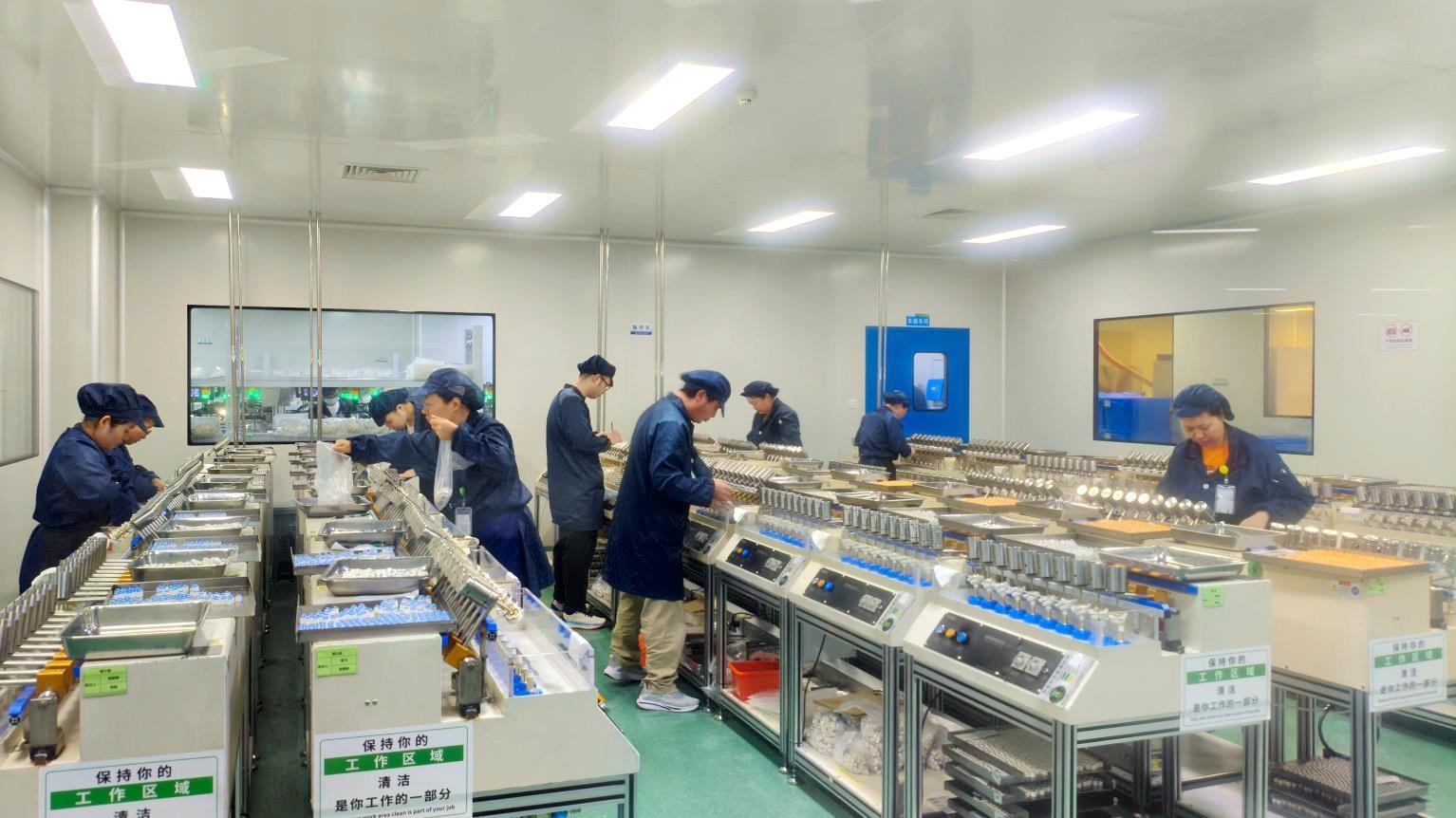
The hardware driving high production yields, low tolerances, and stable global supply volumes.
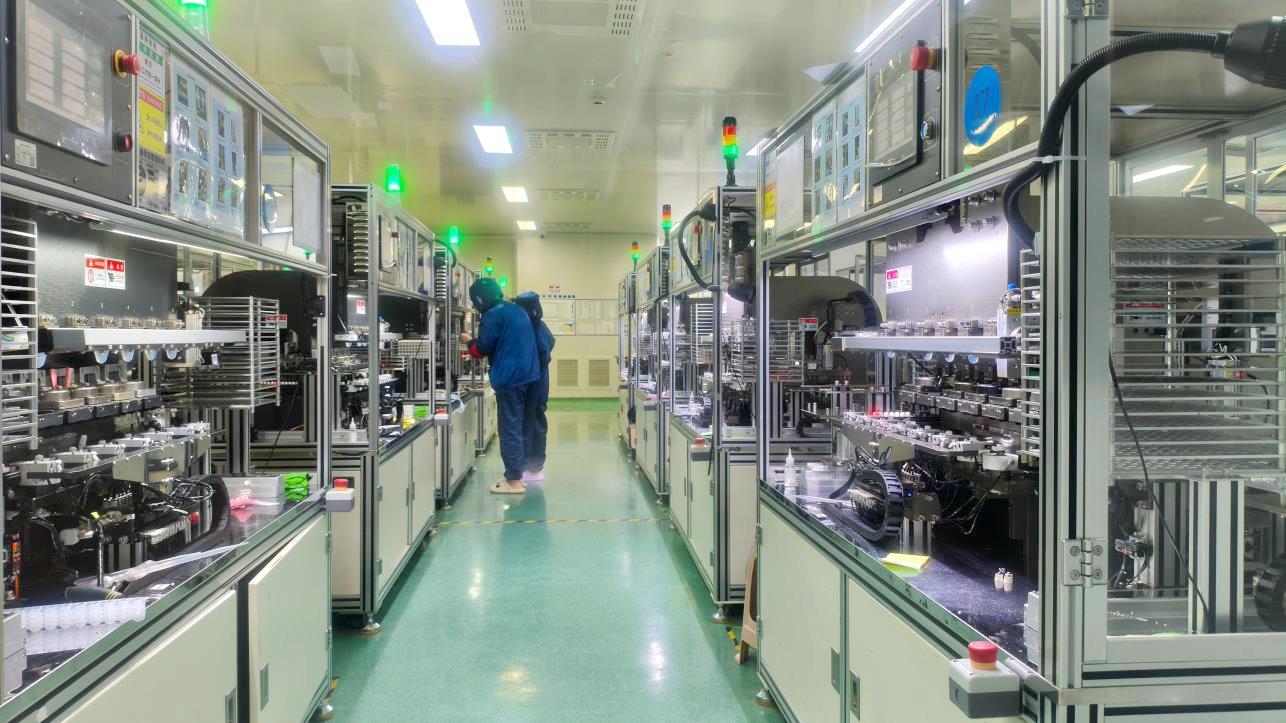
Industrial multi-color print engines featuring micron-precise pad placement to ensure complex pattern accuracy on color lenses.
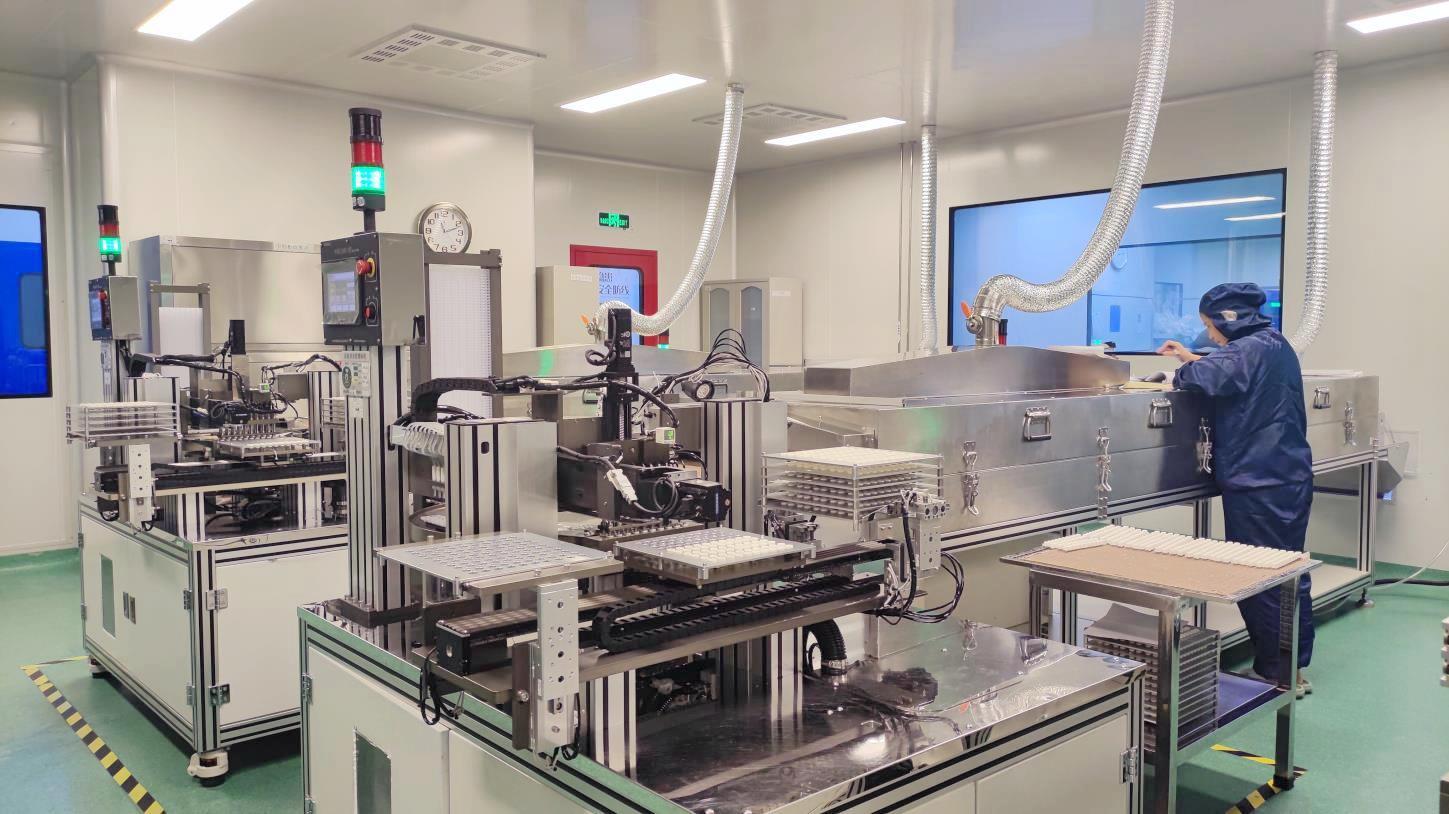
Precision plastic injection molders manufacturing uniform single-use lens casting molds for high surface finish stability.
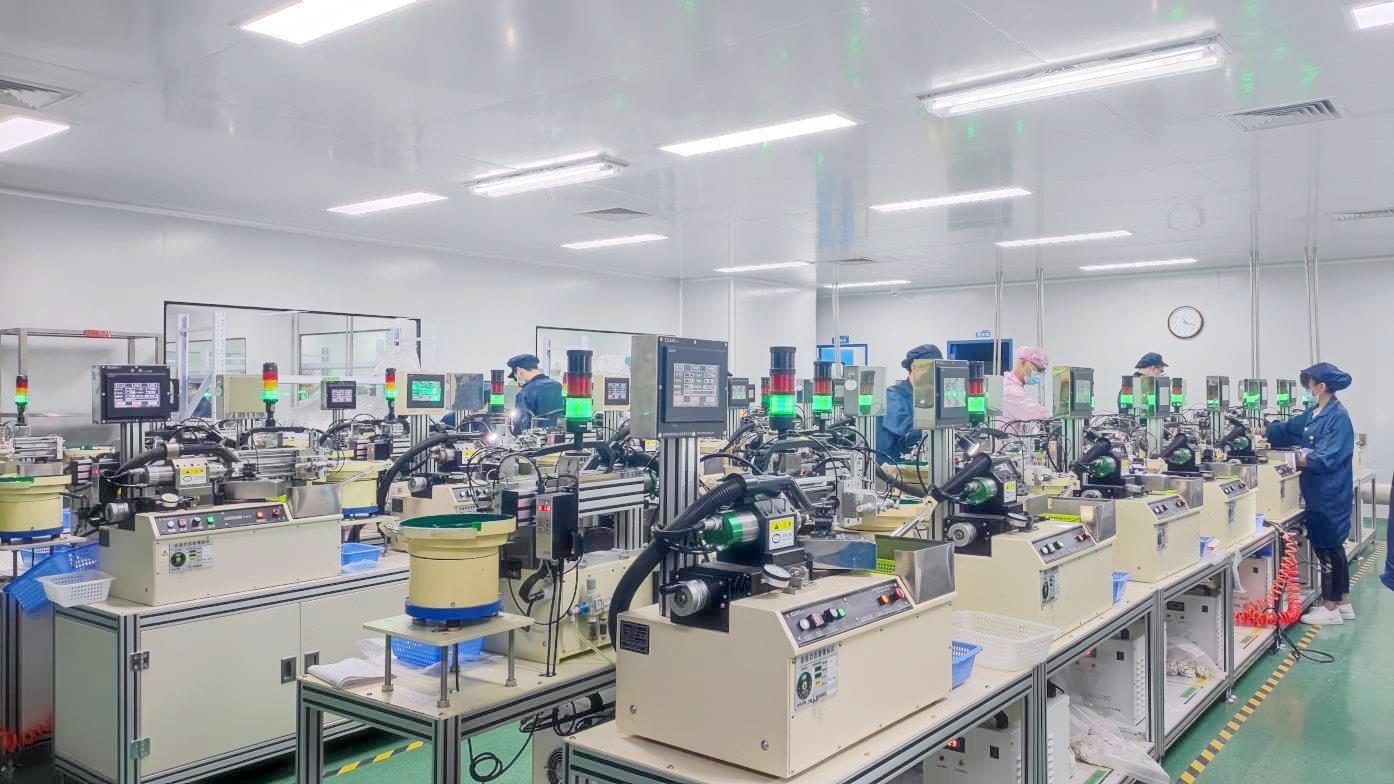
Computerized CNC lathe centers that shape complex optical geometries on dry polymers with sub-micron tolerances.
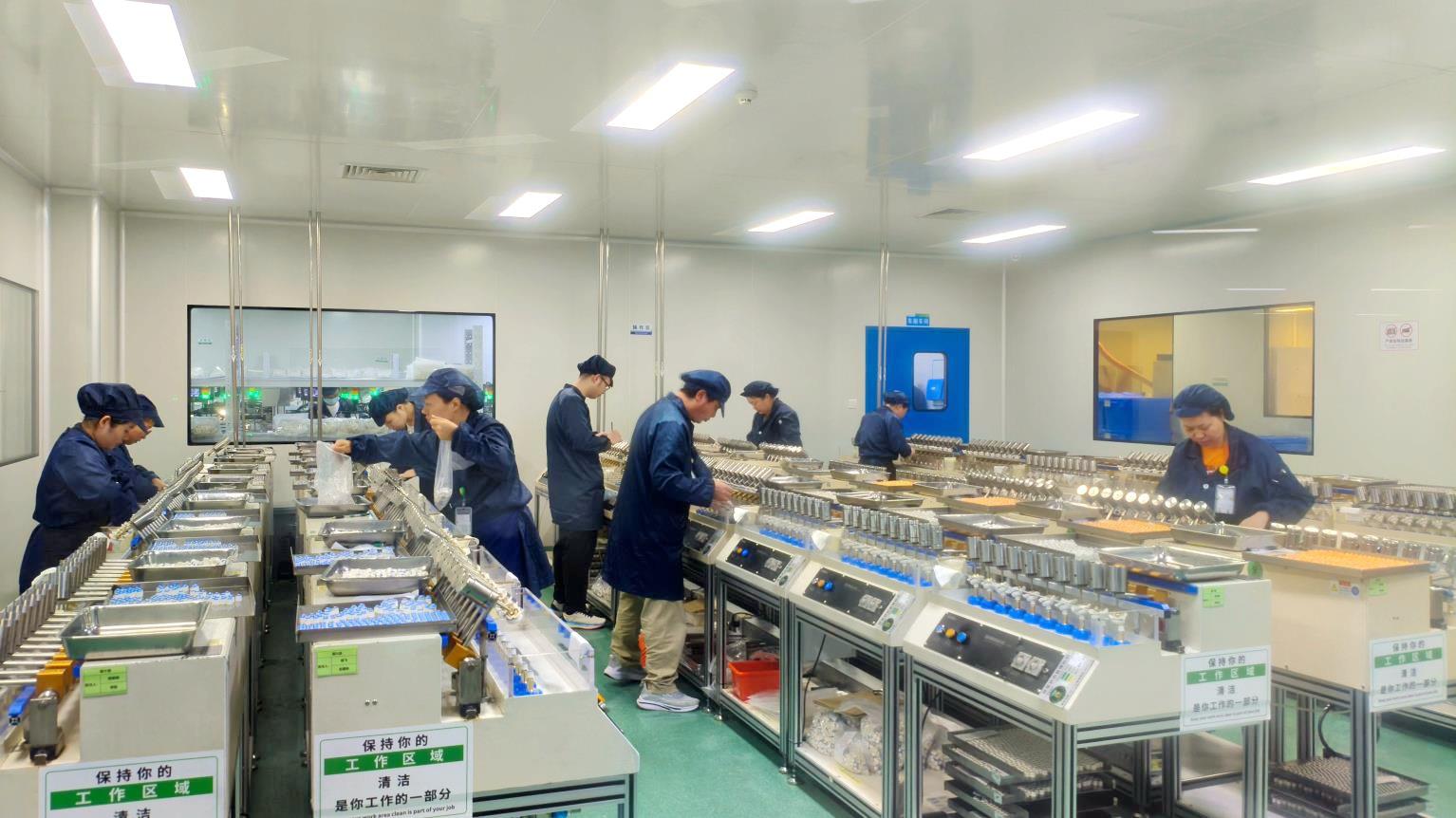
High-efficiency surface finishers polishing lens matrix edges for a friction-free experience when worn.
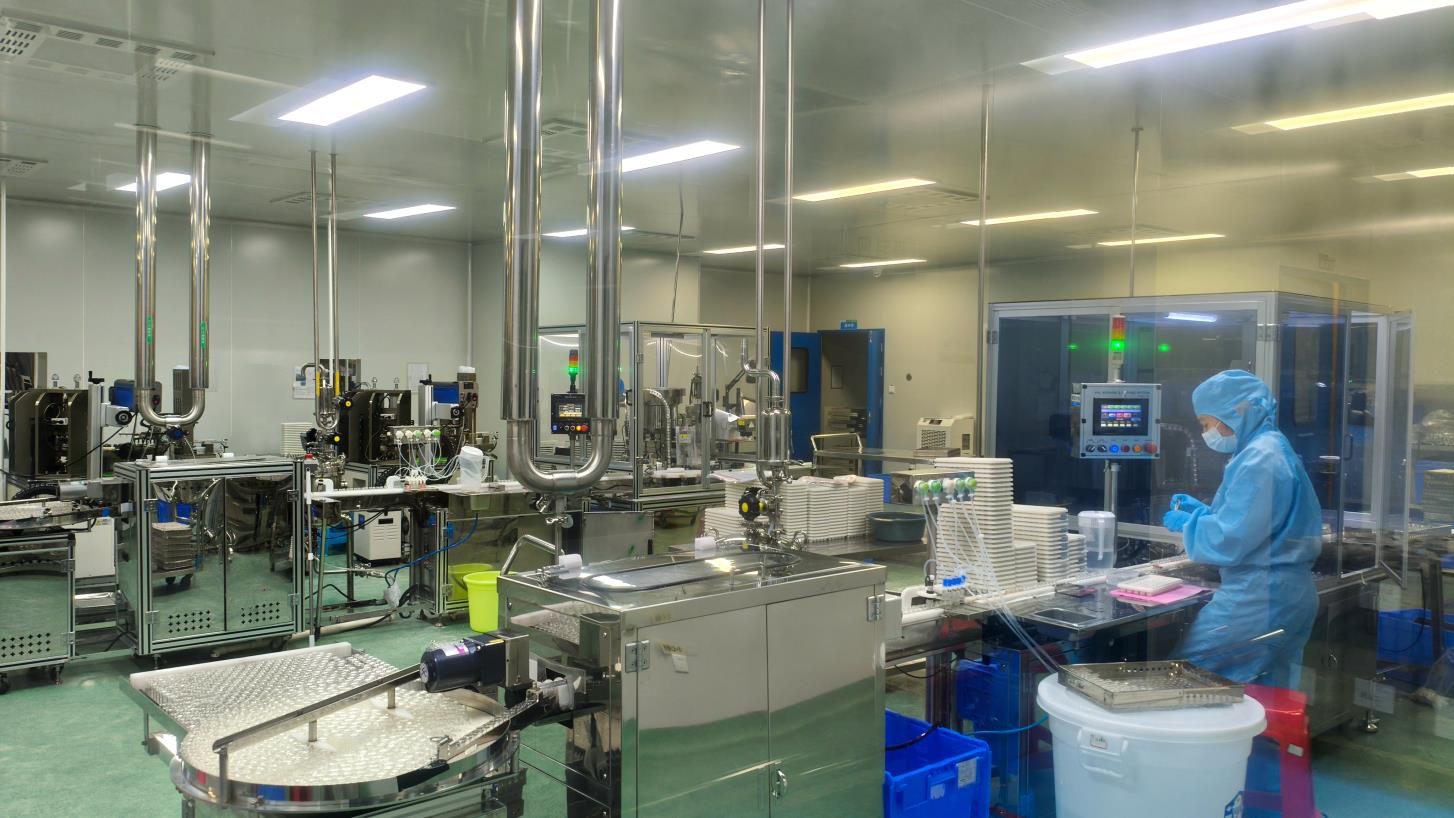
A cleanroom-housed packaging system feeding, sealing, and coding primary polymer blisters.
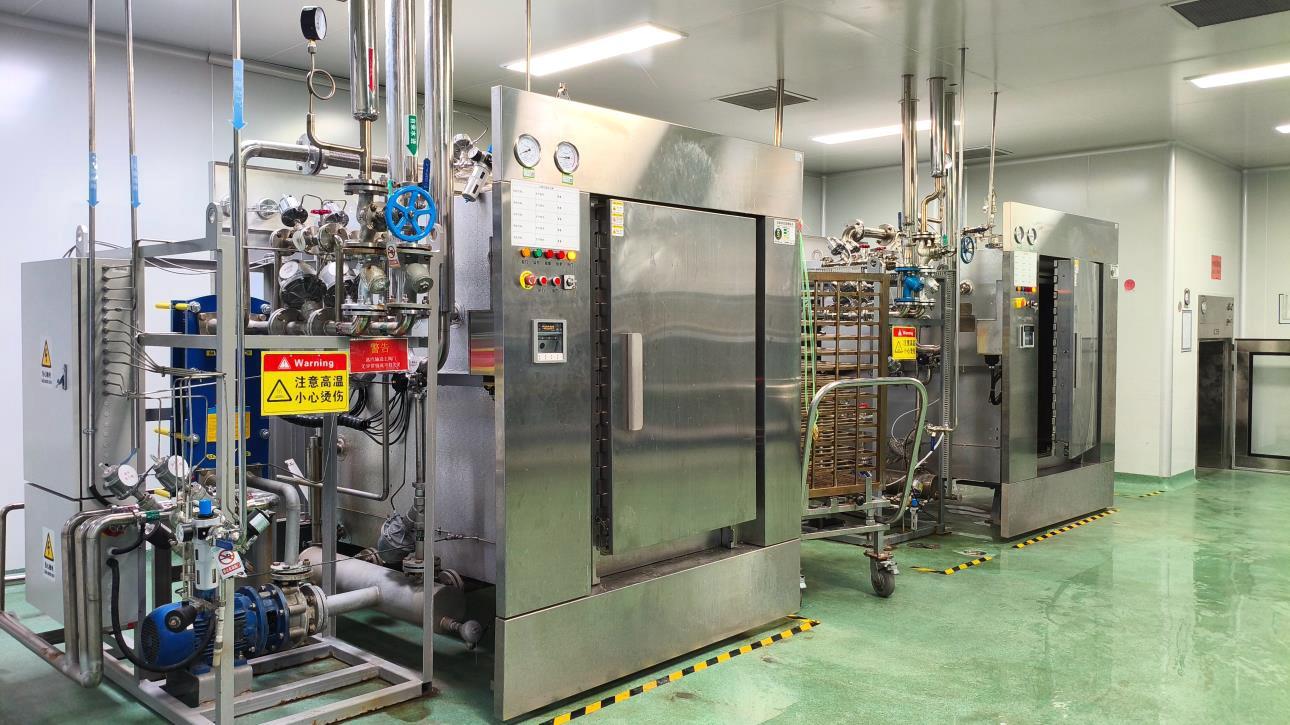
Industrial steam sterilization autoclaves featuring real-time thermal monitoring to ensure stable, germ-free outputs.
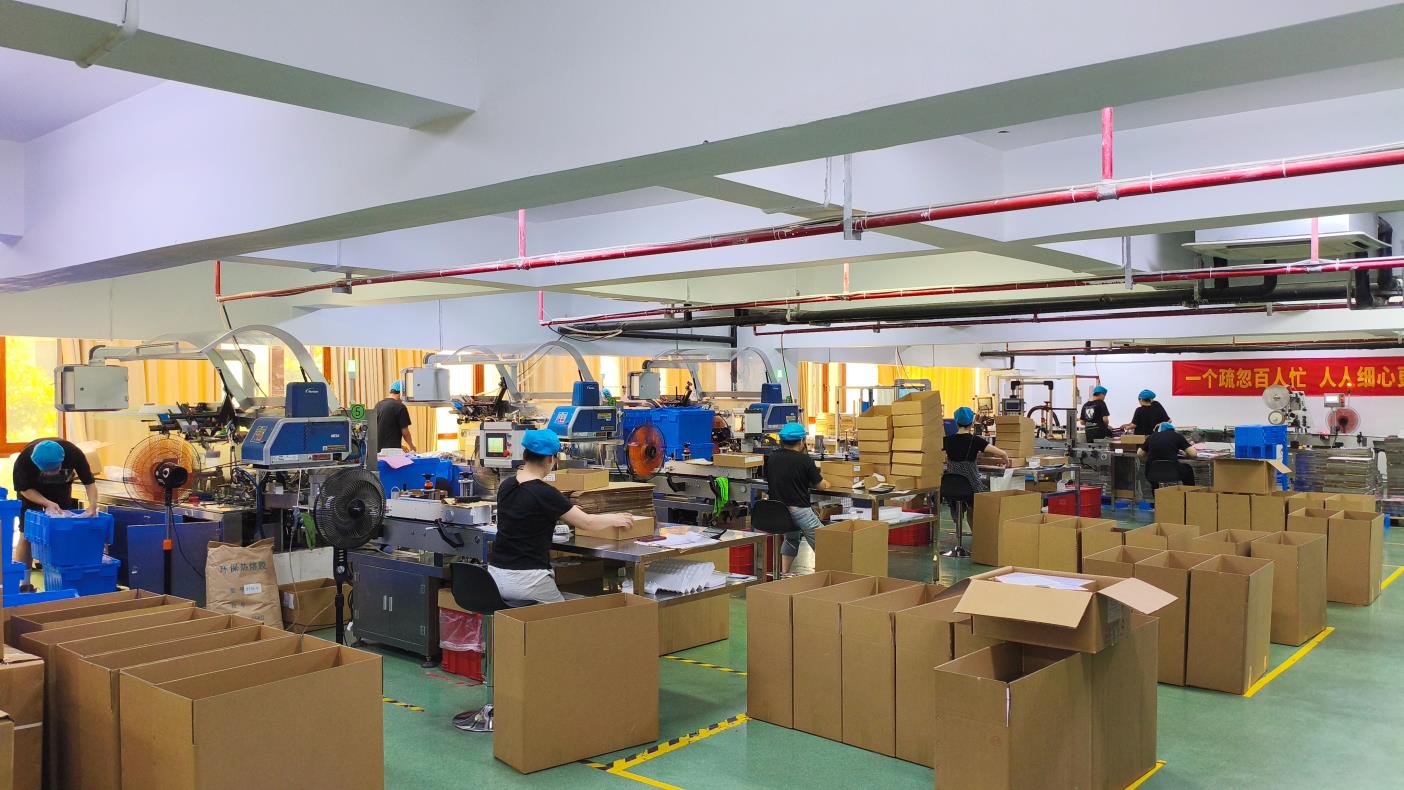
Continuous boxing systems equipped with automatic scales, safety check stations, and batch marking units.
How polymer developments, oxygenation research, and ecological targets shape our B2B development pipeline.
Integrating sandwich printing technology to enclose colors between transparent material layers, preventing raw pigments from contacting the cornea.
Formulating high-oxygen (Dk/t > 80) polymers that increase daily wearing time, reducing dry-eye symptoms in high-UV and dry environments.
Incorporating UV-absorbing elements into polymer mixtures to shield eye tissue from harmful solar radiation without changing lens color.
Transitioning toward recyclable blister materials and reduced secondary packaging size to support distributor sustainability targets.
Simplifying market entry via custom packaging designs, legal documentation, and localized regulatory support.
We provide full B2B support for private-label setups. Our team designs custom blister packaging, outer boxes, and multilingual manuals that align with your local medical device requirements.
From design draft validation to shipping paperwork, we help brands launch safely, minimizing delays with customs clearance authorities in North America, Europe, and Asia.
Operating under ISO 13485 regulations means every process is documented. We handle product testing files, biocompatibility reports, sterilization certificates, and factory audits required by local regulatory bodies.
Whether you require CE marking or specific regional documentation, our regulatory team handles the paperwork to keep your supply chain active and compliant.
Direct answers regarding materials, certifications, MOQ, custom configurations, and safety protocols.
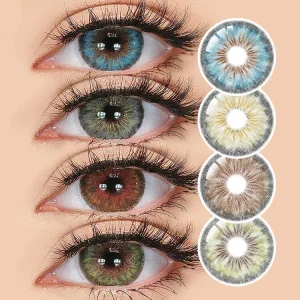
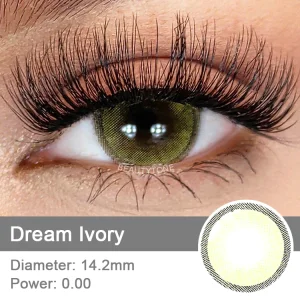
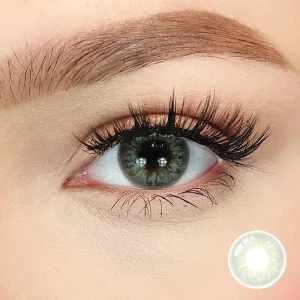
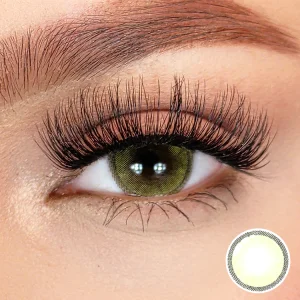
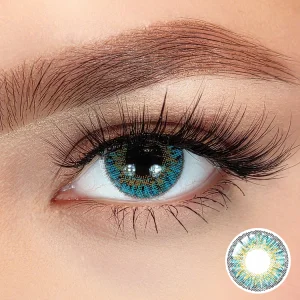
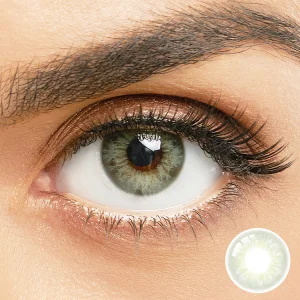
Explore our natural tones, custom cosmetic options, and daily/yearly wear parameters designed to expand your brand's catalog.

 Blink Lenses