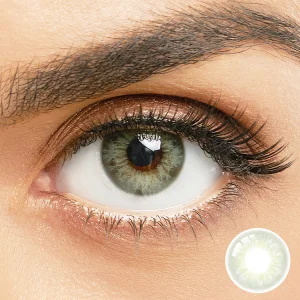
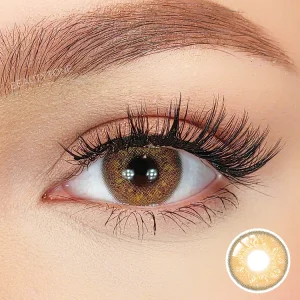
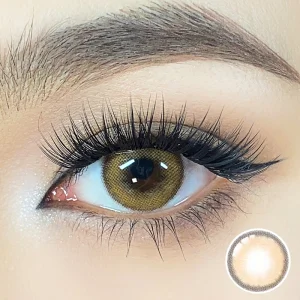
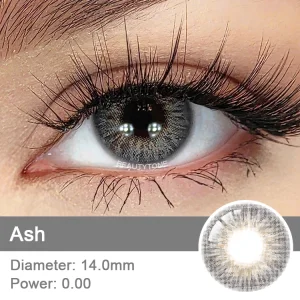
Select, high-demand items engineered with advanced water retention parameters to thrive in South Asian climates.


Guangzhou Blink Lenses Trading Co., Ltd. is an industrial-scale manufacturer specializing in the R&D and mass production of high-quality contact lenses and cosmetic colored lenses. Located in the manufacturing hub of Dongguan, China, we operate a fully integrated facility that bridges cutting-edge optical technology with robust supply chain capabilities.
As a dedicated B2B partner, we specialize in OEM, ODM, and turnkey private-label solutions. From material compounding (Hydrogel/Polyhema) to bespoke pattern design and compliant blister packaging, Chic Contacts provides global distributors and vision care brands with unparalleled stability, scale, and safety.
The vision care sector in Pakistan is undergoing a monumental shift. Historically, color contact lenses were considered specialized items, restricted to boutique cosmetic retailers in metropolitan hubs like Karachi, Lahore, Rawalpindi, and Faisalabad. Today, driven by a young population (with a median age of ~22), color contact lenses have integrated fully into daily fashion routines and bridal wear cultures.
In Pakistan, the demand for 14.0mm diameter lenses dominates. The 14.0mm sizing offers the ideal balance: it matches the natural corneal dimensions of South Asian irises, creating a subtle enlargement effect without compromising safety or moving excessively on the eye. Yet, local buyers face severe issues with product reliability, inconsistent supply chains, and unregulated imports that lack ISO safety certificates. Guangzhou Blink Lenses addresses this gap by acting as a direct manufacturer, providing Pakistani distributors with verified, medical-grade products backed by international standards.
Every lens undergoes a highly automated, multi-tiered optical validation process to guarantee comfort and optical safety.
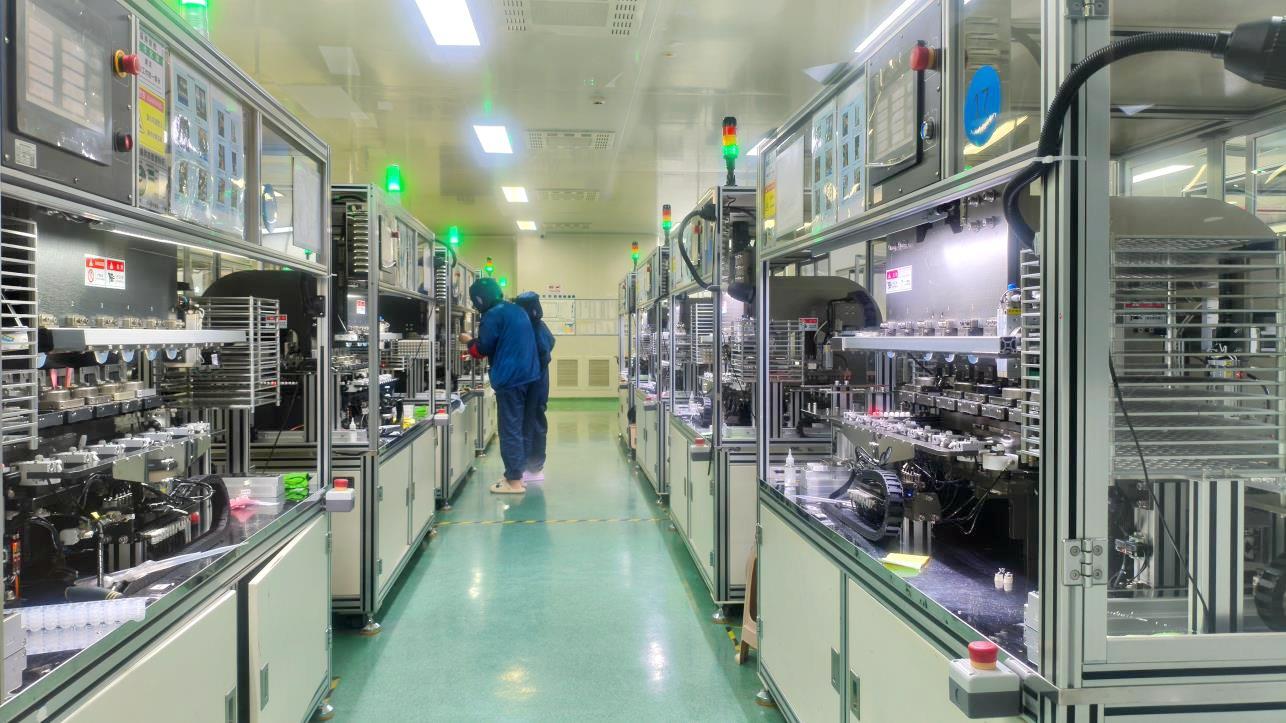
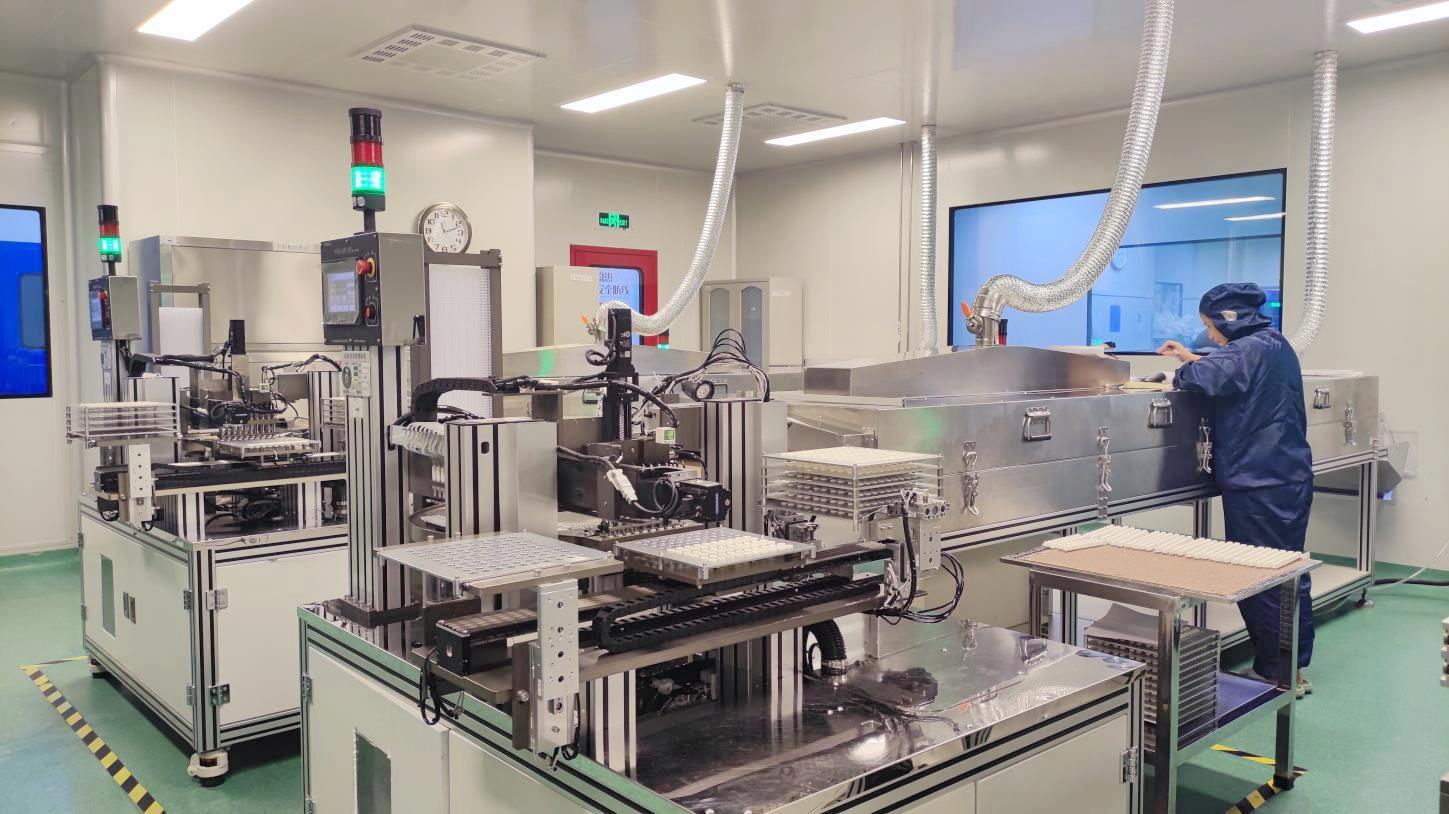
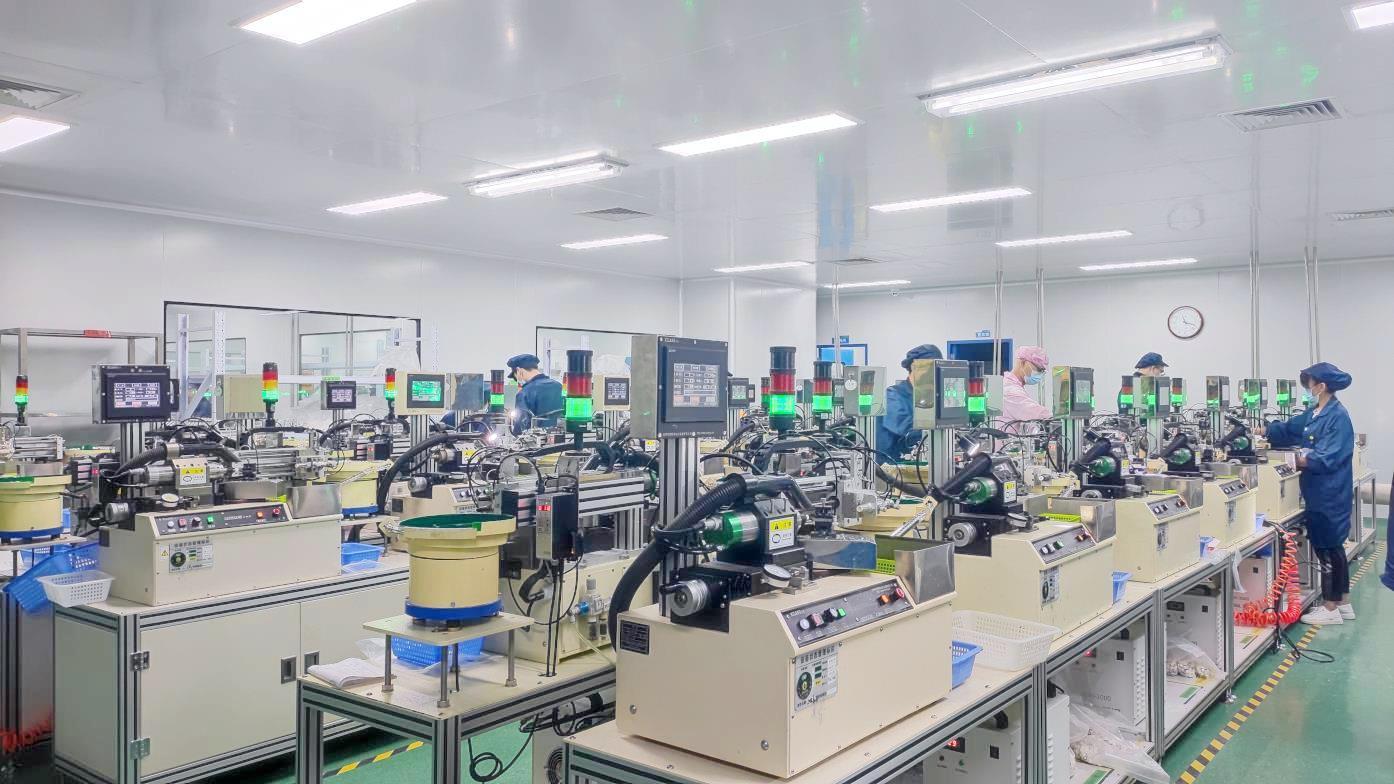
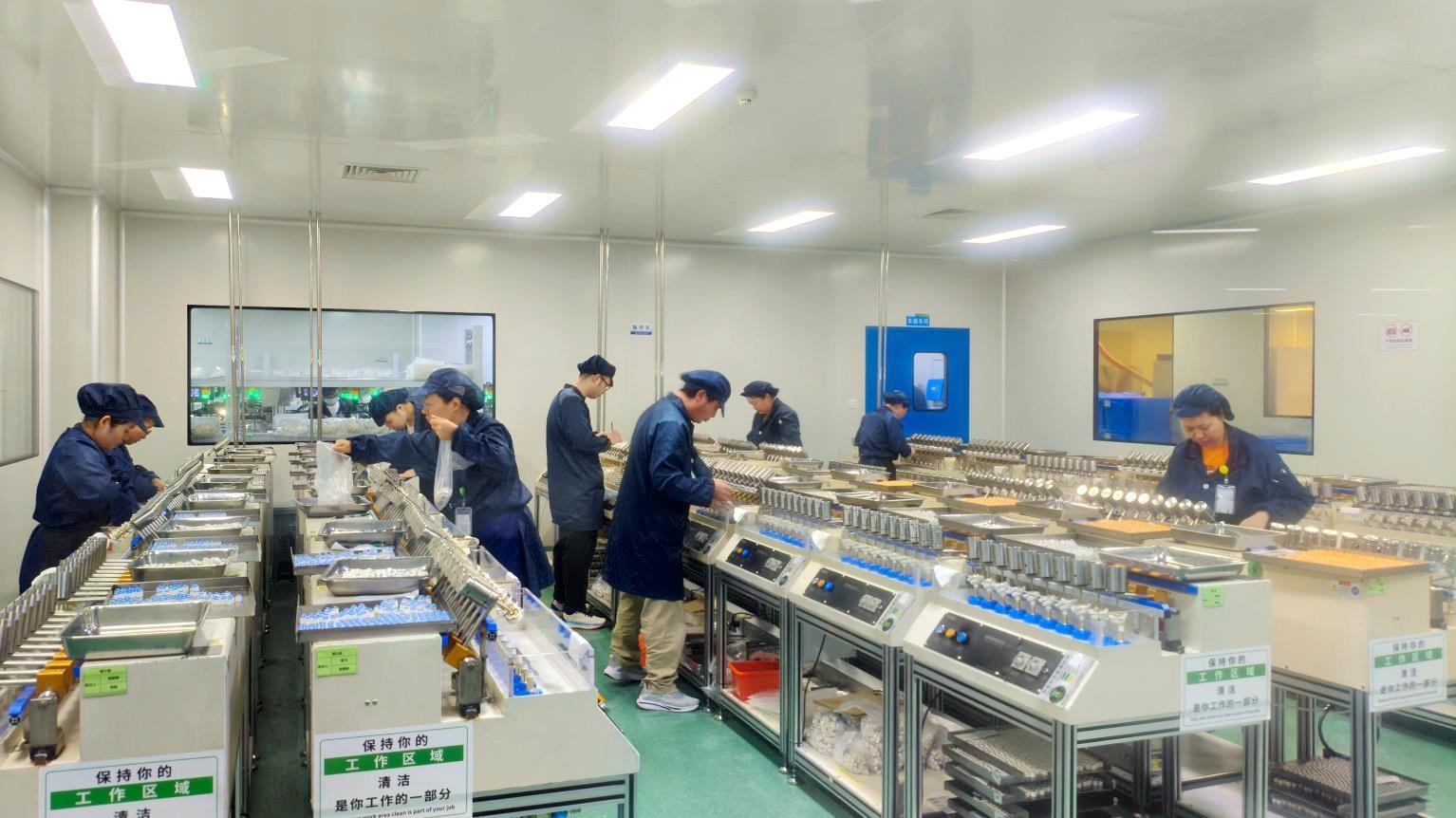
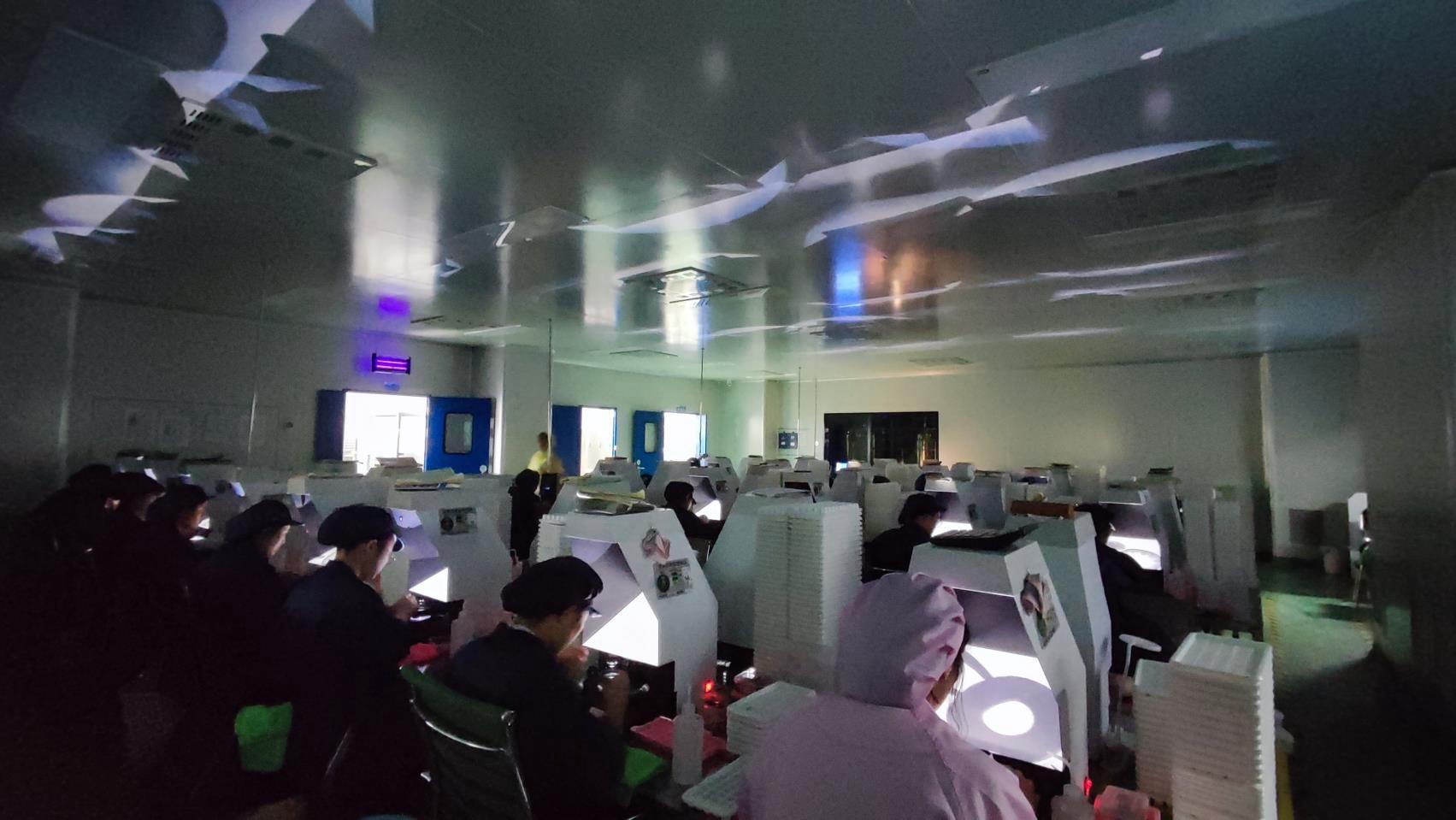
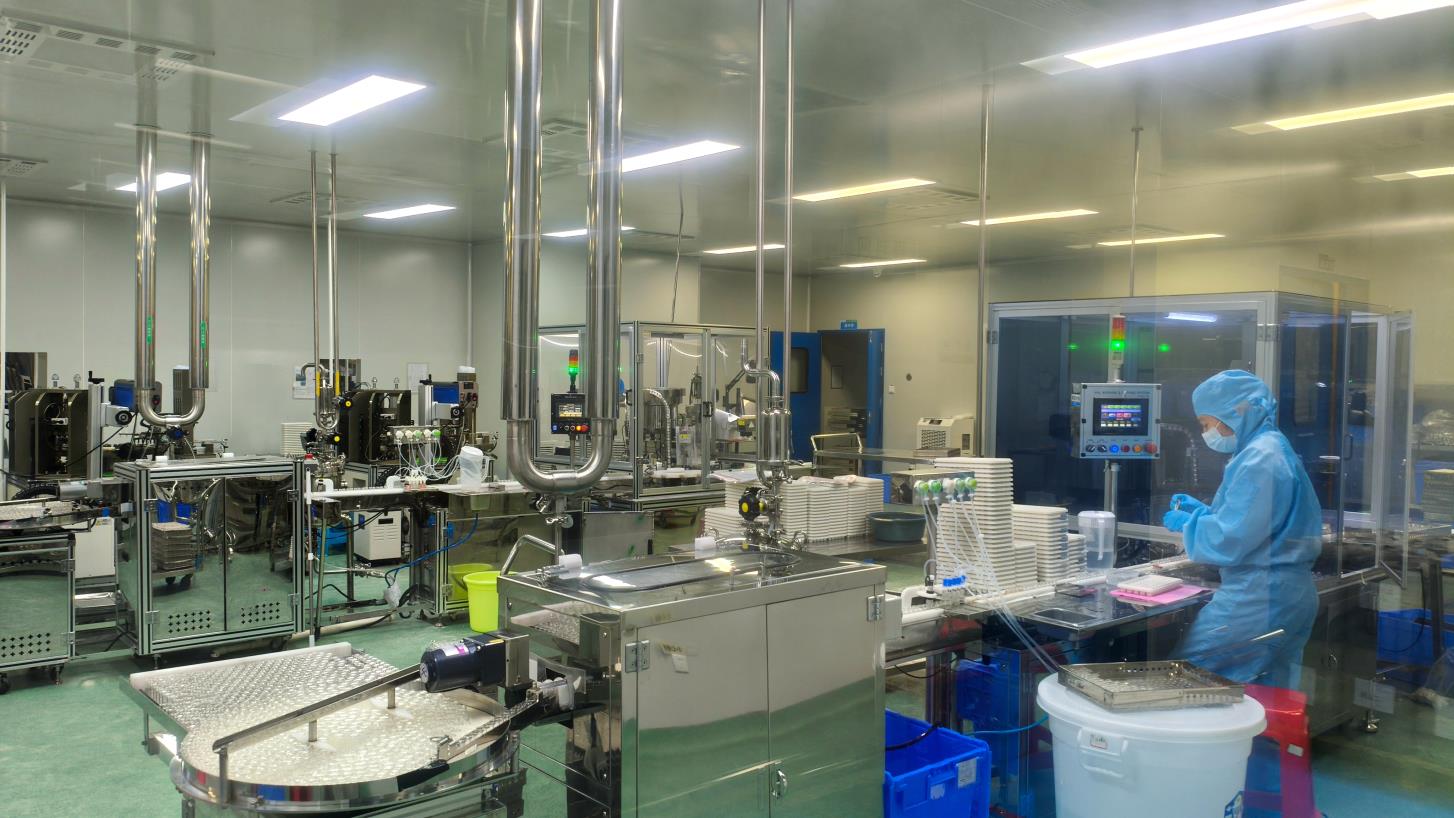
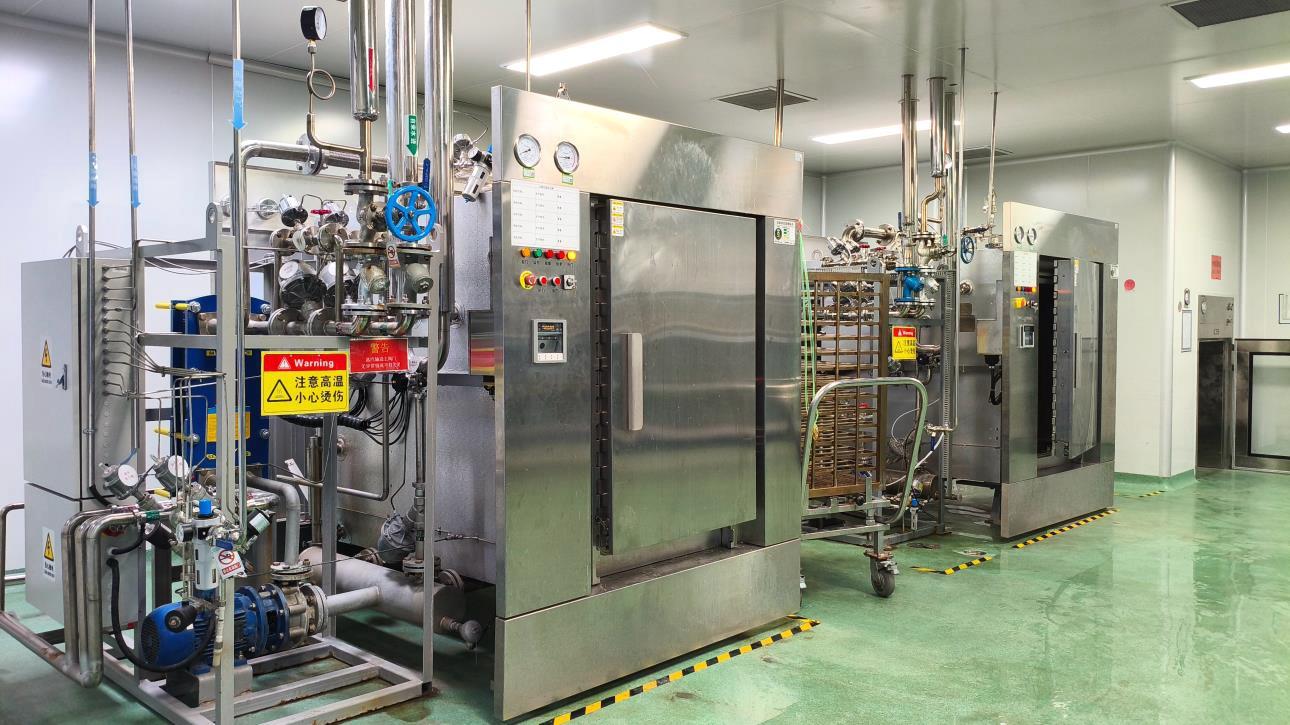
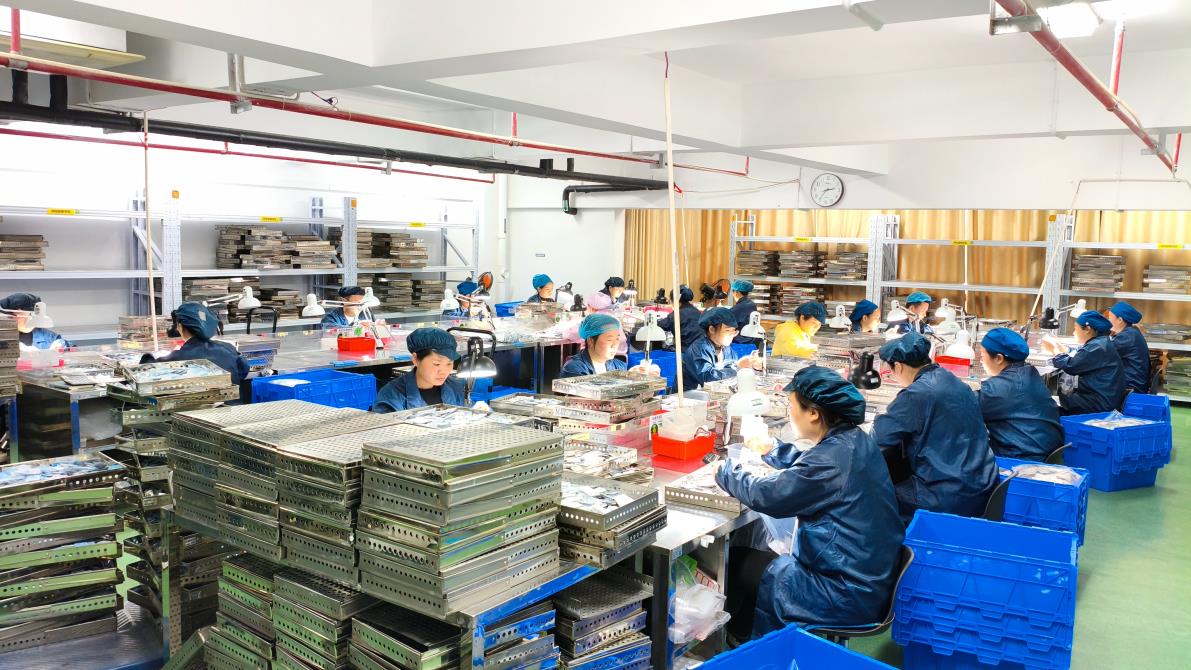
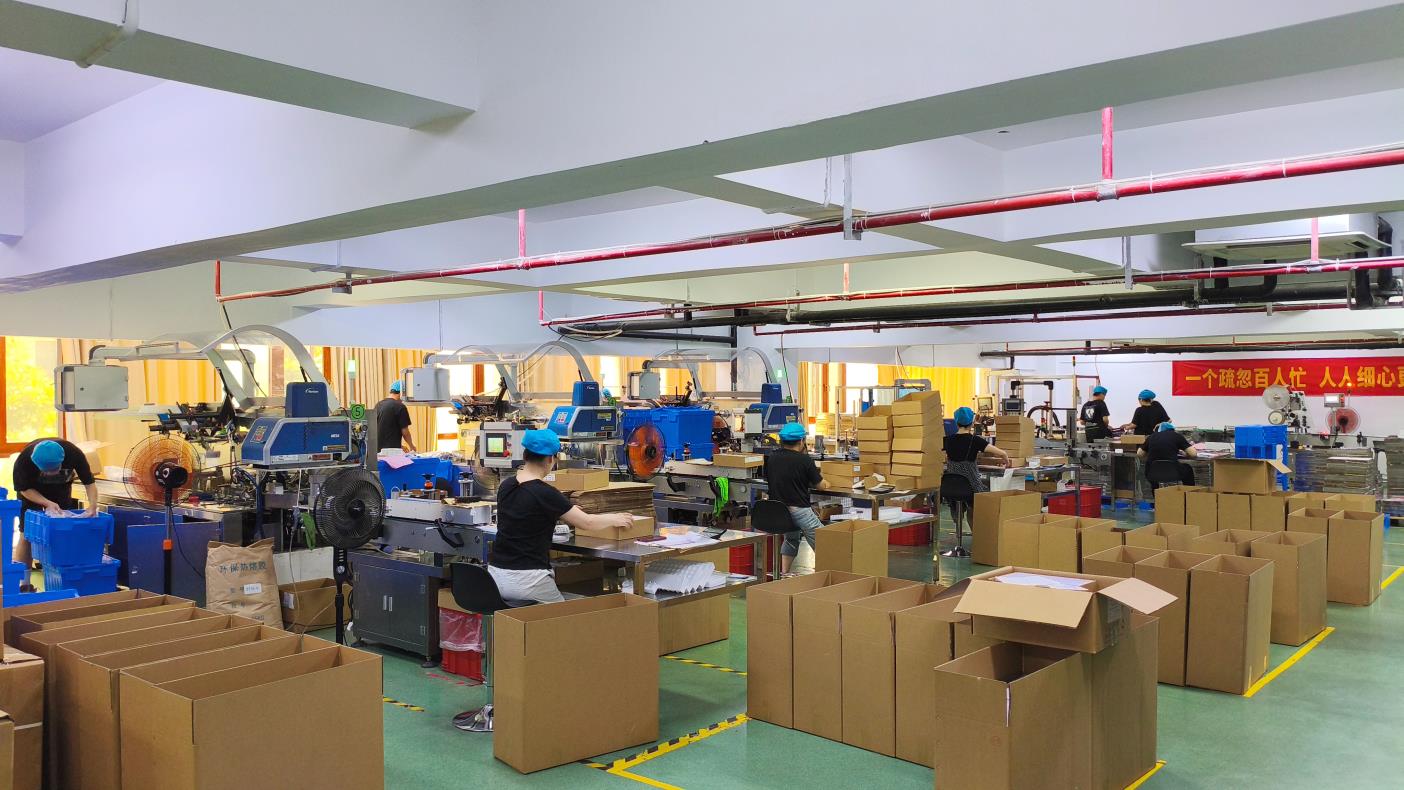
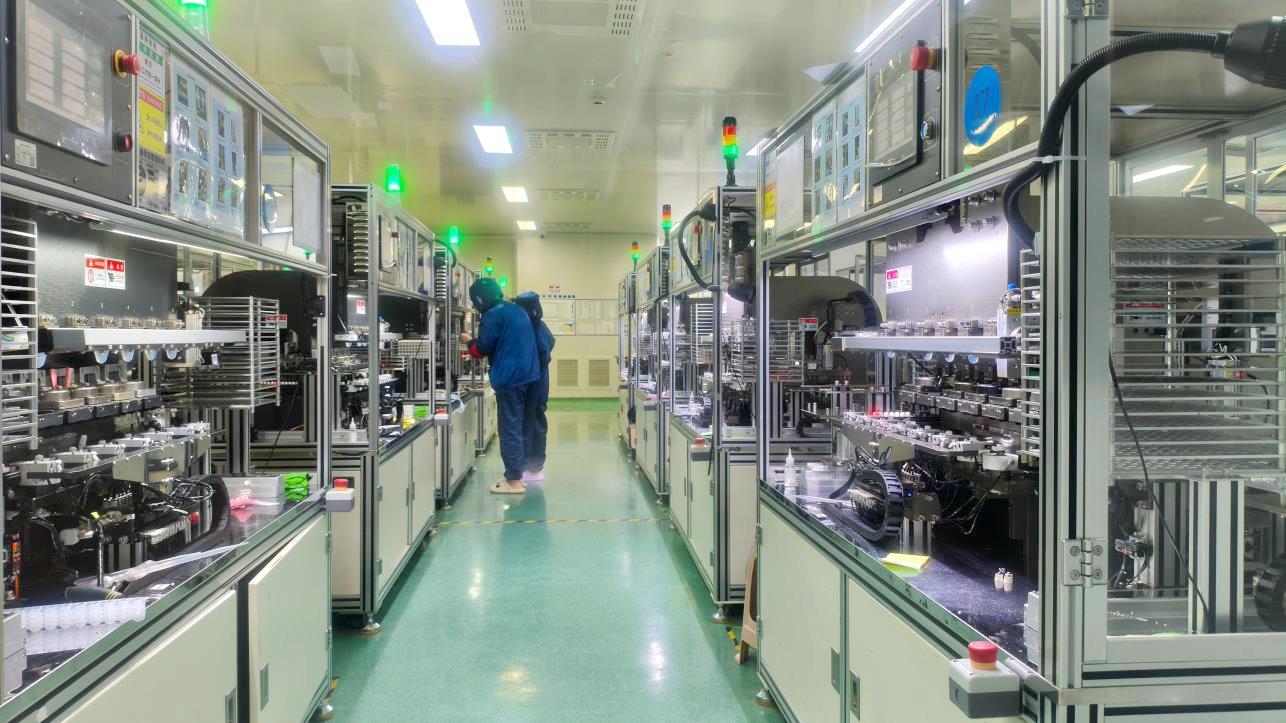
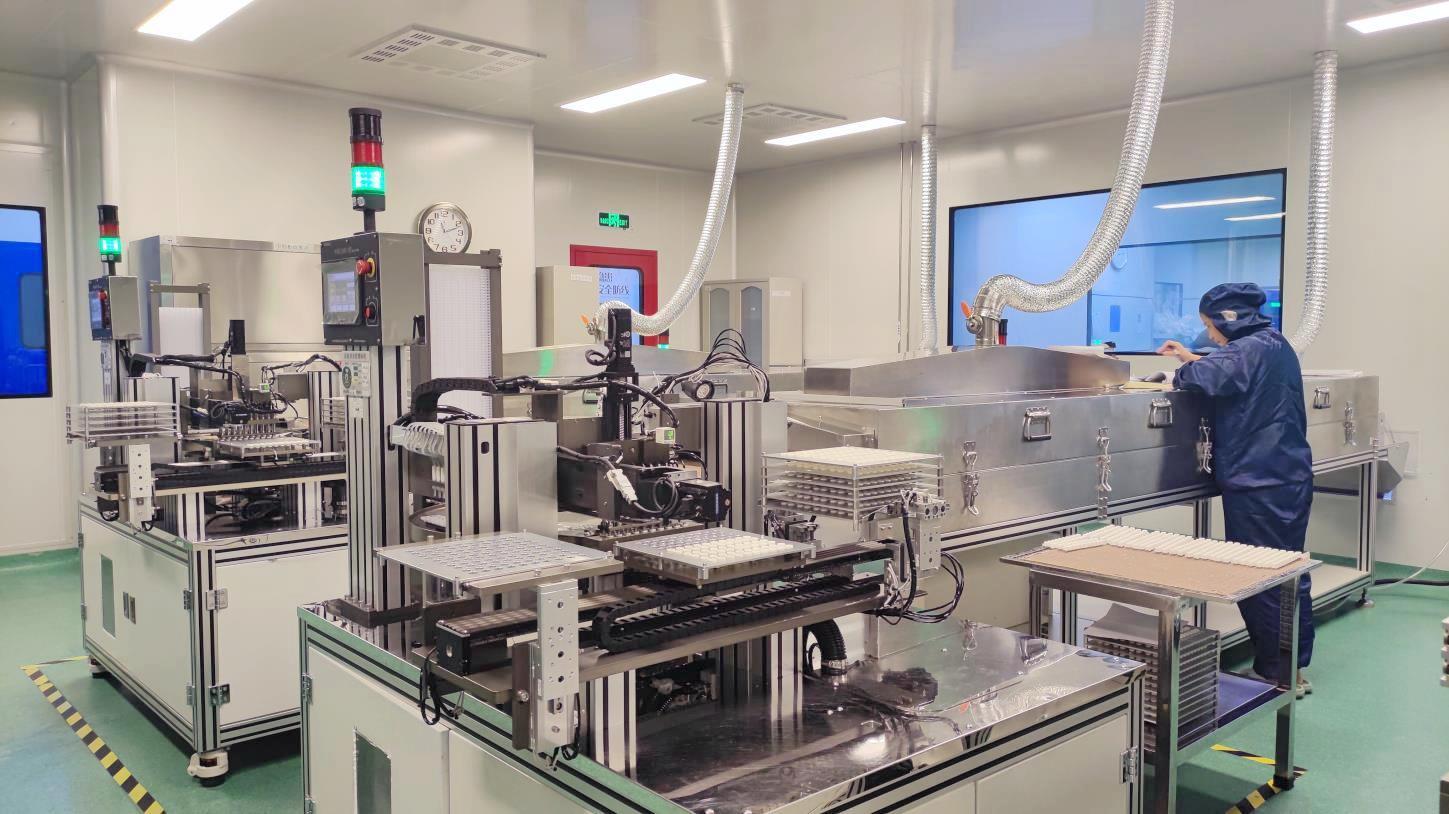
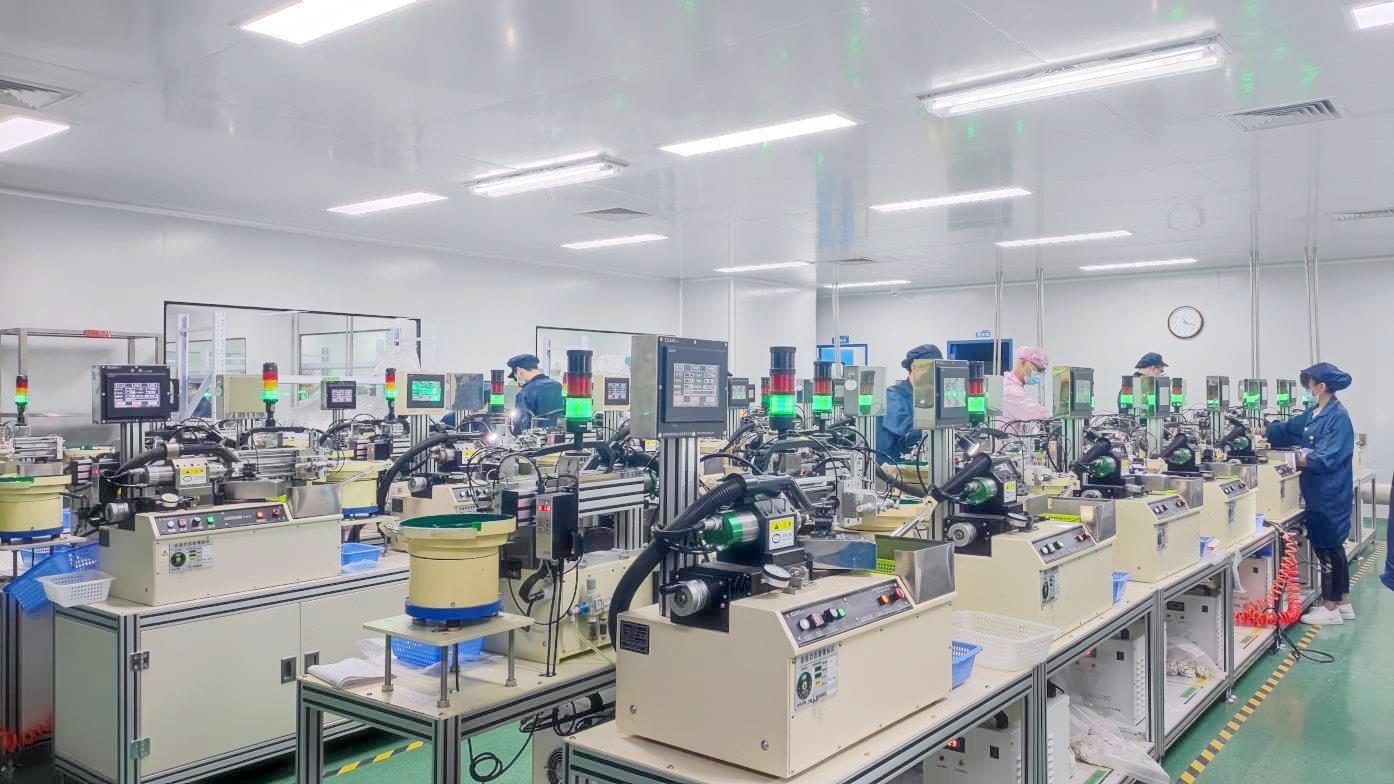
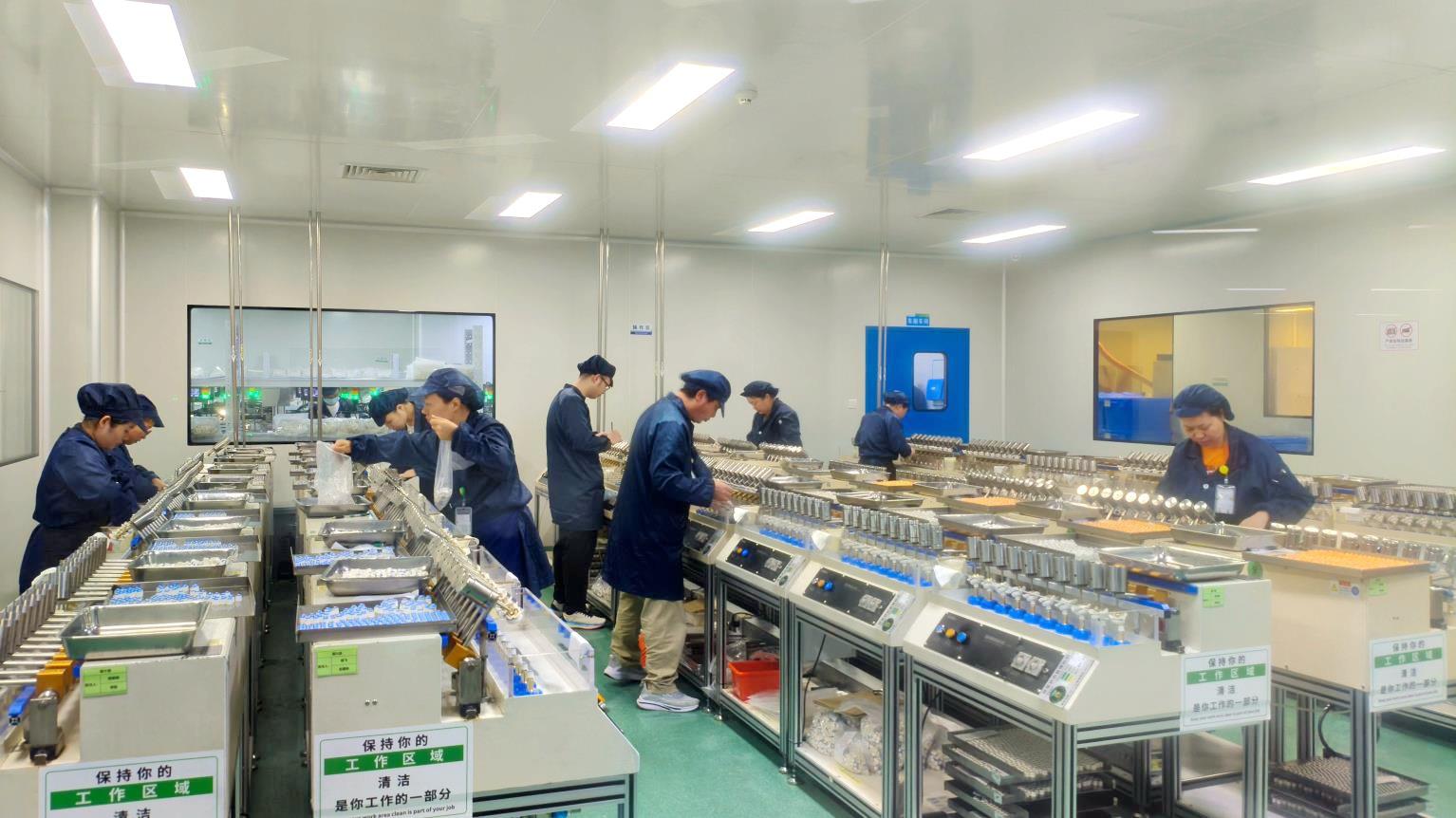
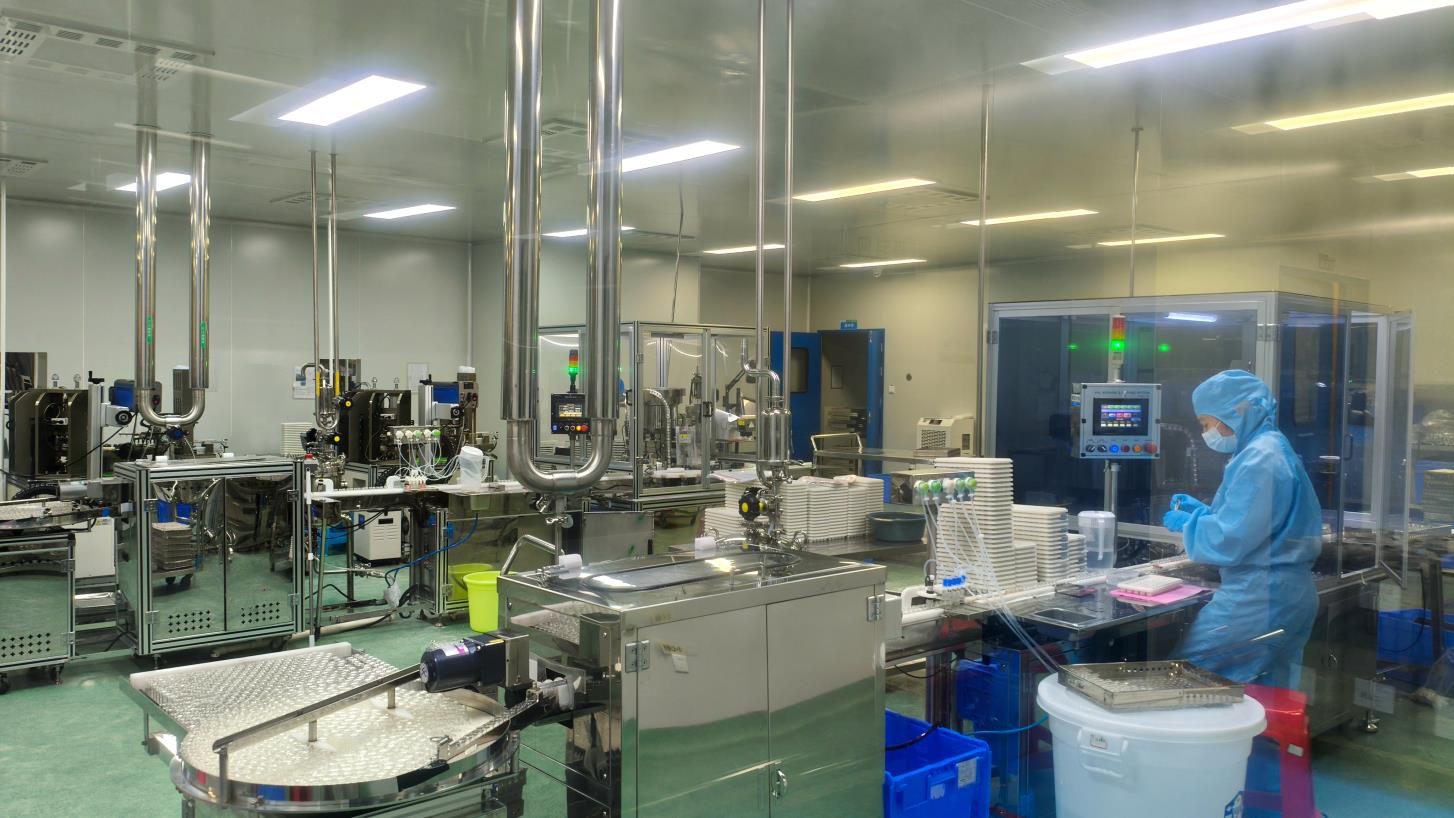
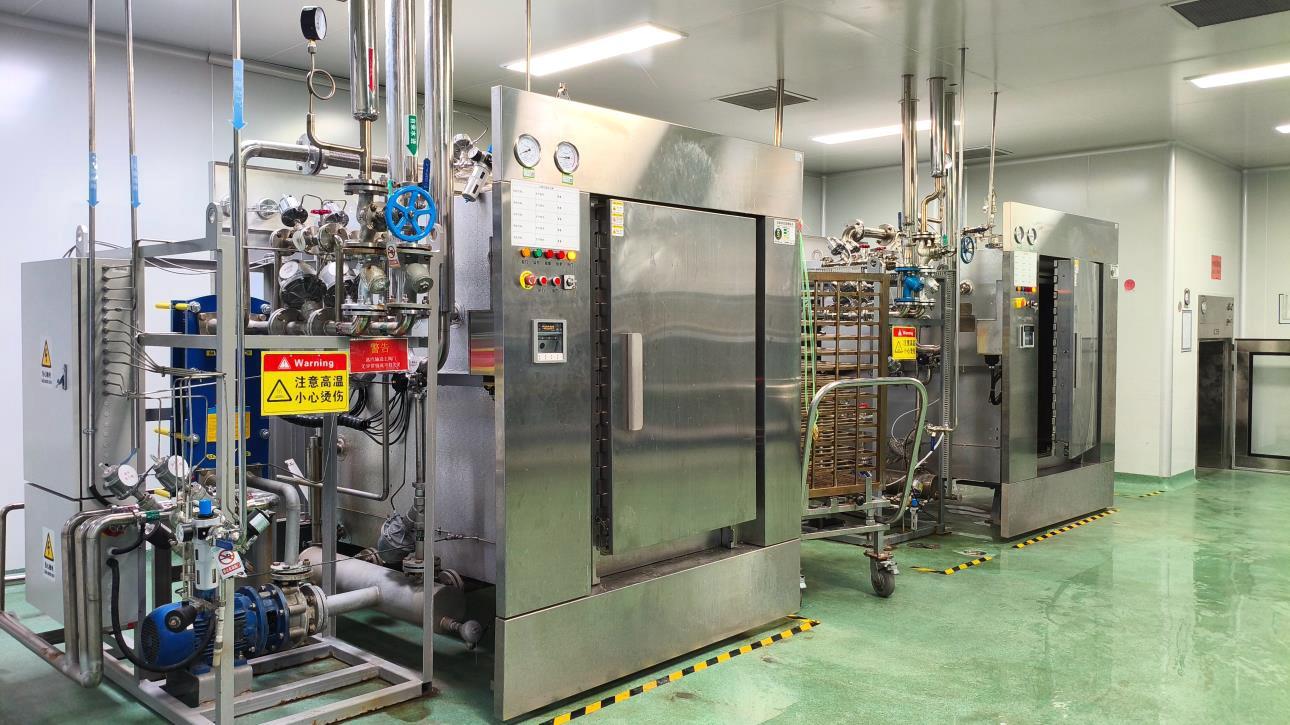
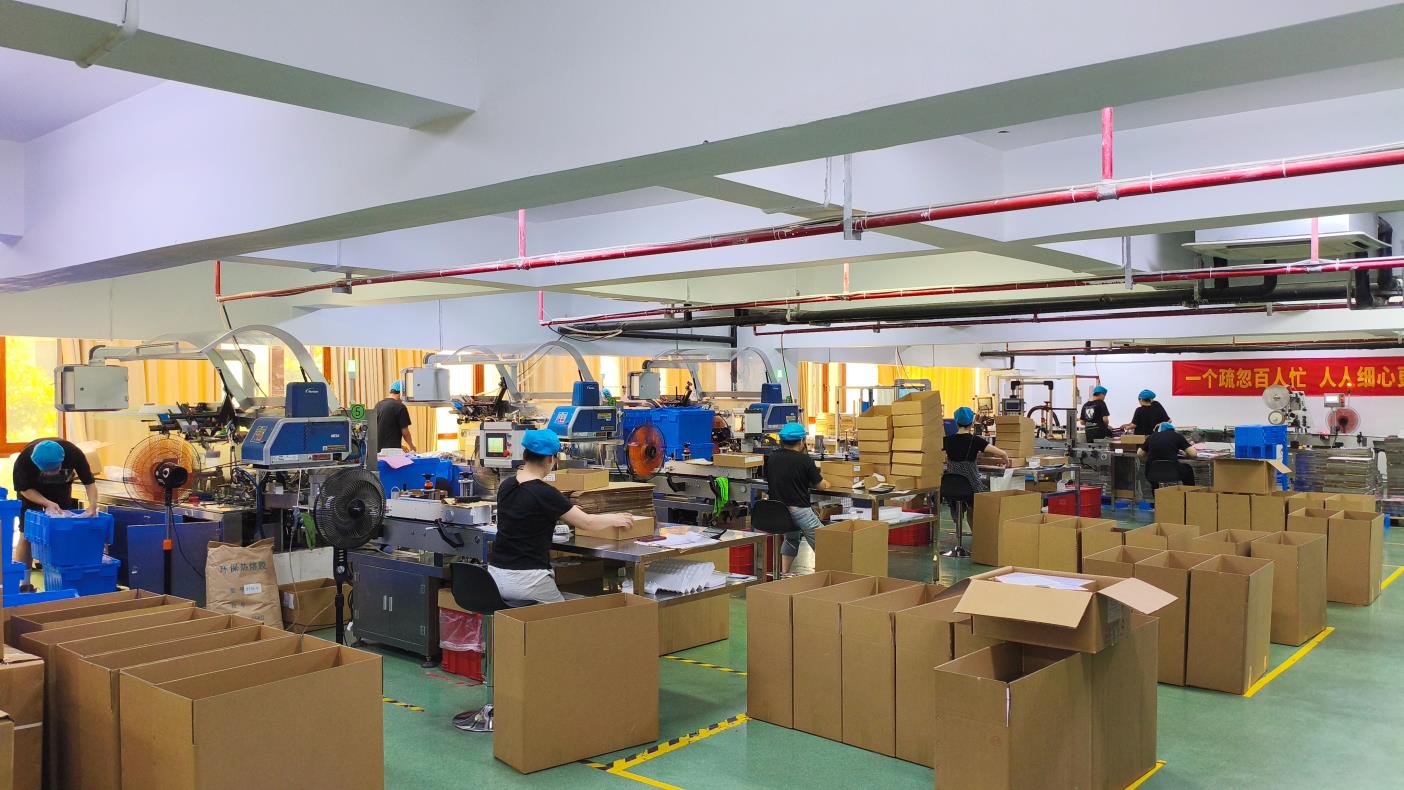
Why typical cosmetic contacts fail in Pakistan, and how our specialized engineering ensures long-wear ocular comfort.
Summer temperatures in Sindh and Punjab frequently cross 40°C, accelerating tear-film evaporation. Traditional hydrogels dehydrate rapidly, causing discomfort, irritation, and redness. Our 14.0mm lenses incorporate a optimized water content formulation (38% to 42% Polyhema/Hydrogel) designed to lock in moisture and resist dry wind conditions without drawing water from the wearer's cornea.
Dust storms and urban air pollution in cities like Faisalabad and Lahore increase the risk of protein deposition on soft lenses. By employing non-ionic hydrogel materials, our lenses minimize the surface charge that attracts dust, pollen, and lipid deposits, keeping the lens surface clear and hygienic throughout the day.
South Asian irises are predominantly deep brown or dark amber. Most European-style patterns fail to mask dark irises effectively. Our design laboratory has engineered a multi-tone matrix with high-density pigments that provide a natural transition, ensuring bright grays, hazels, and greens show vividly on dark eyes without looking artificial.
Our commitment to R&D is driven by long-term technological advancement. Over the next five years, Guangzhou Blink Lenses is transitioning key lines to next-generation materials and production techniques to ensure our B2B clients maintain a competitive edge:
We are introducing a new line of high oxygen permeability (Dk/t) silicone hydrogel color contact lenses. This material enables up to five times more oxygen to reach the cornea, supporting longer safe wearing times—a critical selling point for premium tiers in the Pakistani retail market.
To eliminate dye-leaching risks, our production team has standardized Sandwich Technology. Pigments are encapsulated safely between two micro-thin layers of clear Hydrogel. The color material never contacts ocular tissues directly, eliminating irritation and compliance liabilities for importers.
Our manufacturing base in Dongguan operates under strict Industry 4.0 guidelines. With high-speed automated cast-molding lines, we reduce mechanical variance to less than 0.01mm. This automated production translates directly to pricing advantages, structural lens consistency, and fast lead times for our Pakistani partners.
By bypassing trading intermediaries and dealing directly with our China factory, wholesale buyers in Karachi, Lahore, and Rawalpindi gain control over custom labeling (OEM), custom water specifications, and dynamic packaging formats. Our vertical integration enables stable shipping costs and short lead times from Guangzhou port to Karachi Port.
Importing medical devices into Pakistan requires strict compliance with the Drug Regulatory Authority of Pakistan (DRAP). Contact lenses are categorized under medical devices requiring registration on Form-7. Without proper verification documents, customs clearances are delayed indefinitely.
At Guangzhou Blink Lenses, we remove the regulatory burden for local importers. We provide all necessary documentation packages, including:
Large-scale vision care groups, distribution networks, and optical franchises require consistent, bulk supply chains that guarantee zero batch defects. We provide tailor-made bulk programs containing the following operational parameters:
| Specification Parameter | Standard Range Offered | Target Benefits for Pakistan Market |
|---|---|---|
| Diameter (DIA) | 14.0mm (Customizable up to 14.5mm) | Optimized pupil-to-iris scaling for natural South Asian aesthetics. |
| Base Curve (BC) | 8.50mm - 8.60mm | Universal physical match reducing slippage and focal variance. |
| Water Content | 38% - 42% | Optimized to prevent dry-eye dehydration in hot climates. |
| Oxygen Permeability (Dk/t) | 11.0 to 18.0 (Hydrogel) / Up to 86.0 (SiHy) | Ensures corneal respiration during long wedding celebrations or office shifts. |
| Center Thickness | 0.08mm (-3.00 D) | Provides structure for ease of handling while maintaining flexibility. |
| Material | Polyhema / HEMA-MMA / Silicone Hydrogel | Resistant to dust adherence and localized urban pollutants. |
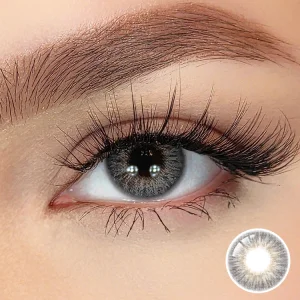
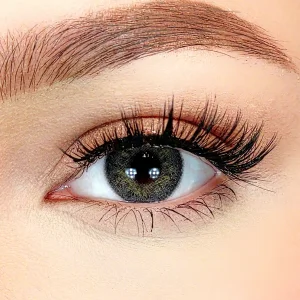
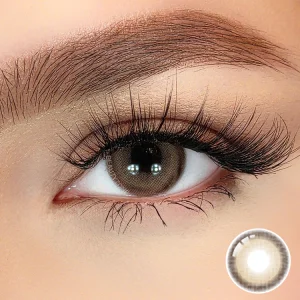
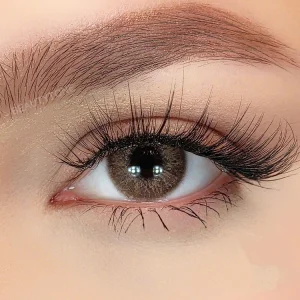
Explore our diverse design options. These formulations feature certified non-ionic pigments and double-cladded construction.

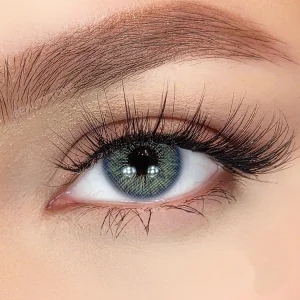
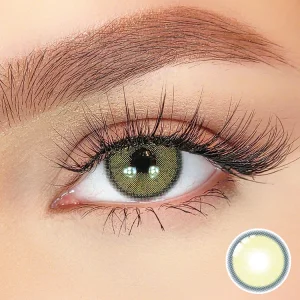
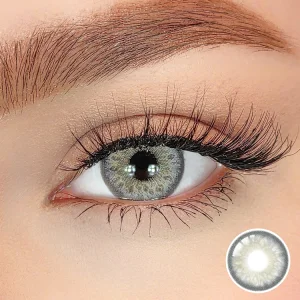
Essential answers to support distributors, retail brands, and clinical buyers navigating imports.
Under the Medical Devices Rules (MDR) 2018 enforced by the Drug Regulatory Authority of Pakistan (DRAP), contact lenses are classified as regulated medical products. Importers must hold a valid Establishment License and register the lenses using Form-7. Guangzhou Blink Lenses facilitates this process by providing a comprehensive registration dossier, including ISO 13485 certifications, CE Declaration of Conformity, and Free Sale Certificates.
The 14.0mm diameter corresponds to the average horizontal visible iris diameter (HVID) of South Asian populations. It delivers a natural-looking aesthetic enhancement (subtle iris enlargement) without covering too much of the sclera, which can cause discomfort, hypoxia, or lens movement under the eyelid.
We manufacture our lenses using non-ionic Polyhema polymers and specialized water-retaining formulations (38%-42%). The non-ionic surface material actively repels dust particles and protein deposits (common in dusty cities like Lahore and Multan), while the balanced water content ensures the lens does not dehydrate rapidly in hot weather.
Our standard MOQ for custom private label packaging begins at 1,000 pairs, which can be distributed across multiple high-demand colors (such as gray, brown, hazel, and green). For stock inventory, we support smaller trial orders to help distributors validate their markets.
For customized OEM orders, production takes approximately 25 to 35 days, including printing plate setups and packaging printing. Shipping from our Guangzhou hub to Karachi Port (via sea freight) takes approximately 15 to 20 days. Air freight routes via DHL, FedEx, or air cargo logistics are available for express deliveries within 5 to 7 days.
We employ advanced Sandwich Technology, meaning the color pattern pigments are completely embedded between two layers of clear HEMA hydrogel. This prevents direct pigment contact with the corneal endothelium and eyelids, eliminating the risk of dye leaching, allergic reactions, and micro-abrasions.
 Blink Lenses