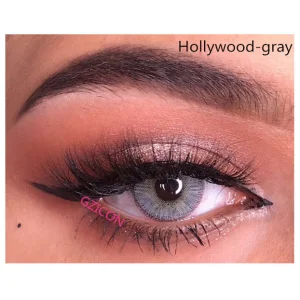
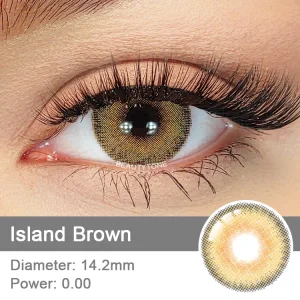
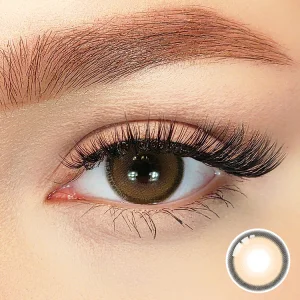
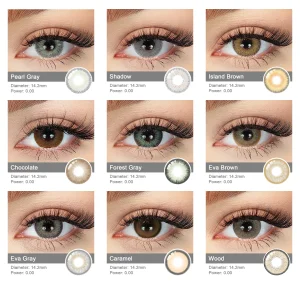
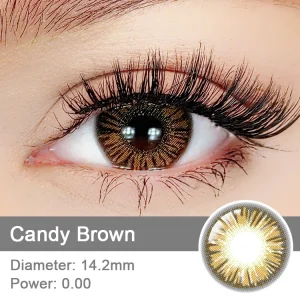
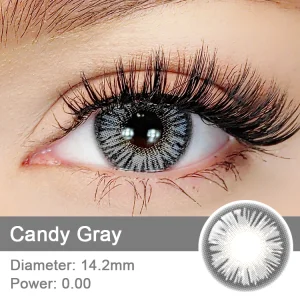
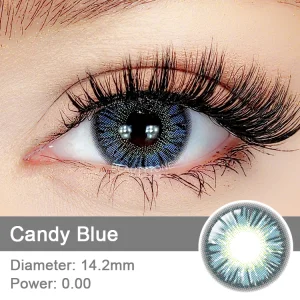
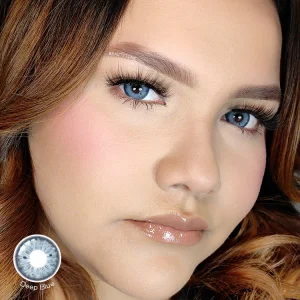
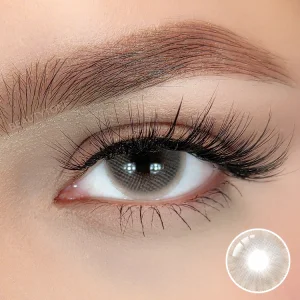
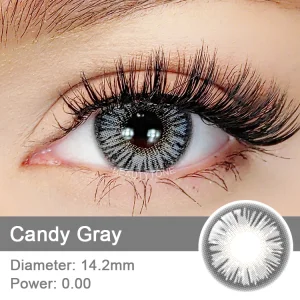
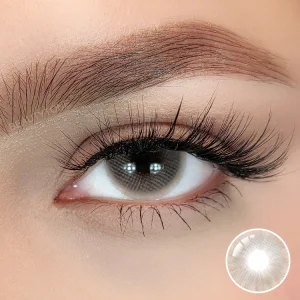
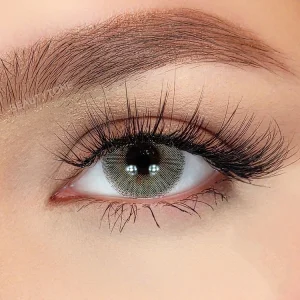
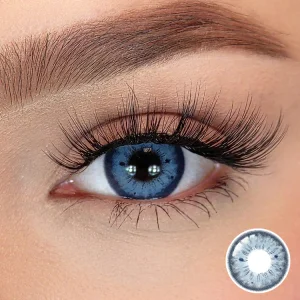
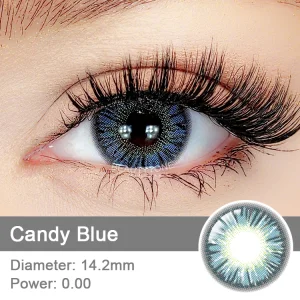
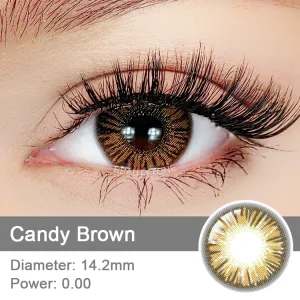
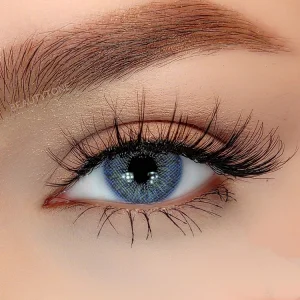
Expertly structured 14.2mm cosmetic lenses designed to align with Western European physiological profiles and natural iris enlargement demands.
In France, the contact lens industry is undergoing a structural transition. Driven by shifts in regulatory enforcement by the French National Agency for the Safety of Medicines and Health Products (ANSM), the market is moving rapidly from low-barrier cosmetic accessories to highly standardized medical-grade visual instruments. For optical distributors, retail chains, and e-commerce platforms operating across Paris, Lyon, Marseille, and beyond, sourcing high-quality contact lenses is no longer merely a branding decision—it is a critical compliance and safety imperative.
The 14.2mm outer diameter has emerged as the definitive standard for cosmetic colored lenses within Western Europe. This specific diameter offers the perfect balance: it matches the physiological curvature of the European eye, providing a natural enlarging effect without causing structural micro-traumas or restricting oxygen transmission to the limbus. As professional importers and brands navigate the post-pandemic supply chain, establishing direct partnerships with reliable, ISO-certified manufacturers in China has become the cornerstone of competitive advantage.
From an optical engineering perspective, the design of a colored contact lens requires balancing aesthetic expression with physiological preservation. The corneal diameter of the typical European adult ranges from 11.5mm to 12.0mm. To achieve a realistic, beautiful eye-color transition, the lens must extend slightly beyond the natural iris boundary. This makes 14.2mm the optimal diameter, providing a subtle, elegant limbal ring effect that integrates with the user's natural features.
A smaller diameter, such as 13.8mm, often fails to provide sufficient coverage for darker irises, leading to alignment mismatches. Conversely, larger diameters (14.5mm or greater) are typically associated with "circle lenses" or doll-eye trends. These can cover too much of the sclera, which can cause hypoxic stress by reducing the exchange of tear film. In France’s discerning beauty and fashion sectors, natural sophistication is preferred over dramatic enlargement.
Key Optical Metrics Required by Importers:
| Diameter Spec | Aesthetic Target | Target Demographics (France) | Optometric Properties | Compliance Risks |
|---|---|---|---|---|
| 14.0mm | Ultra-Natural Iris Enhancement | Subtle Daily Office Wear, Men’s Grooming | High Dk/t, low surface area coverage | Slight iris spillover on larger eyes |
| 14.2mm (Standard) | Perfect Balance & Subtle Enlargement | Fashion, Cosplay, Professional Retail | Optimal tear exchange & centration | Zero margin of error; requires precise BC |
| 14.5mm | High Definition Cosplay / Avant-garde | Stage Performance, Photographic Art | Requires enhanced moisture retention | Limbal compression risk if worn > 6 hrs |
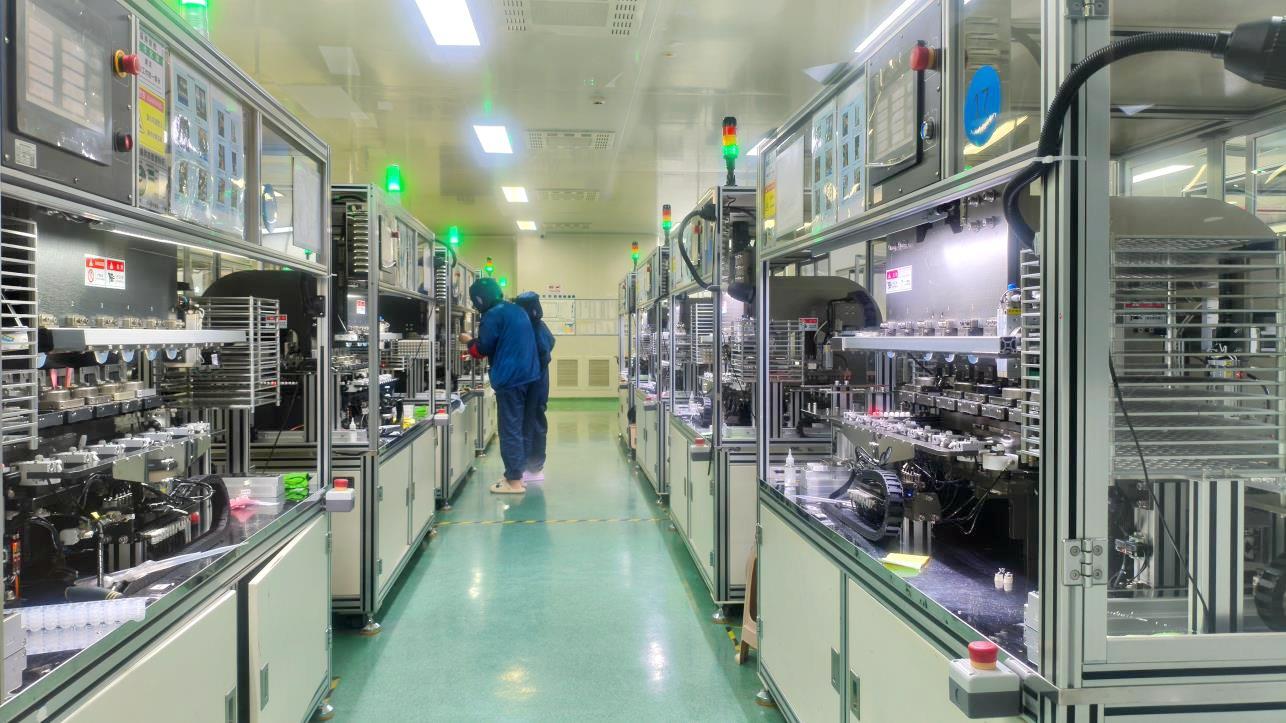
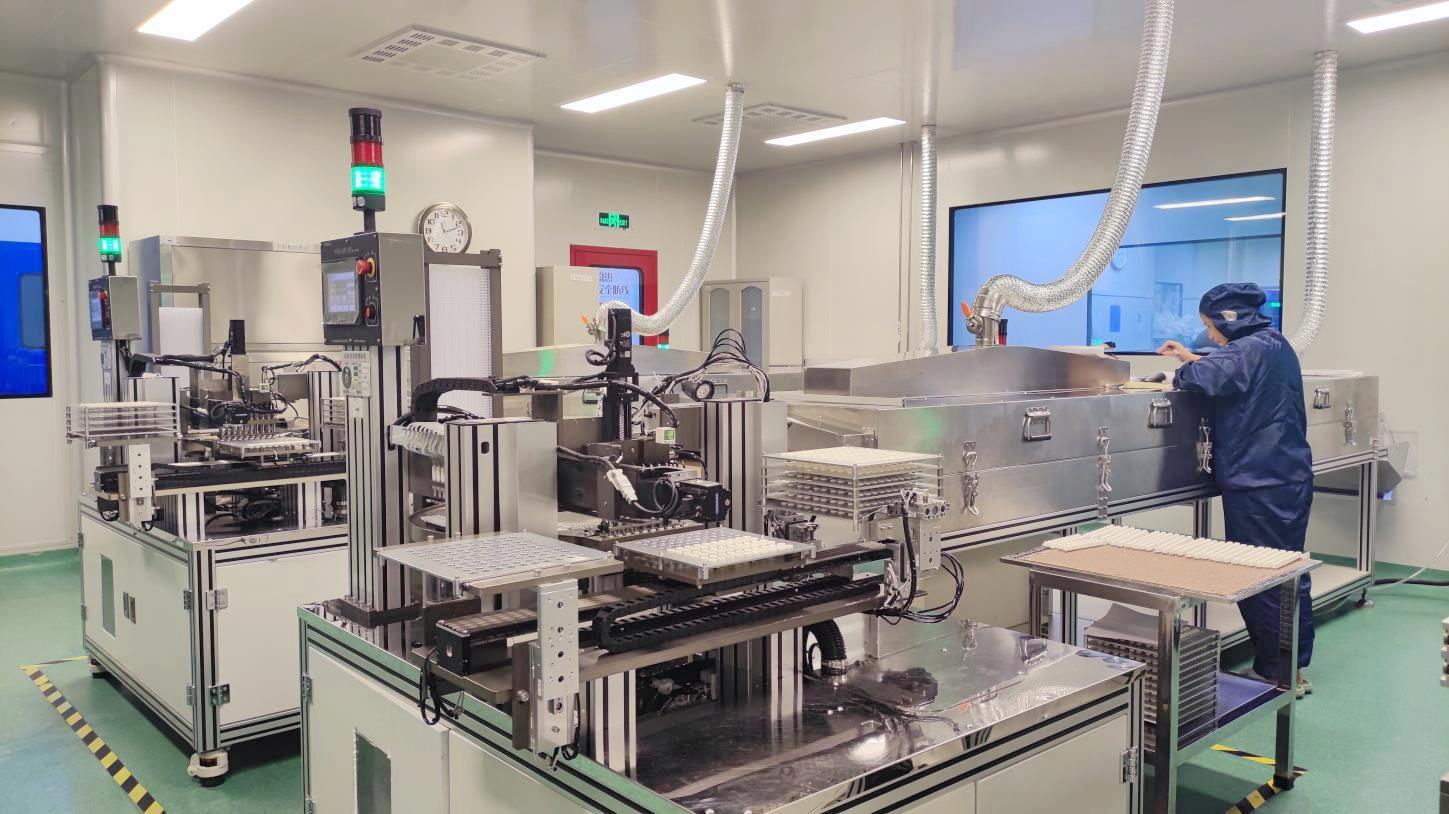
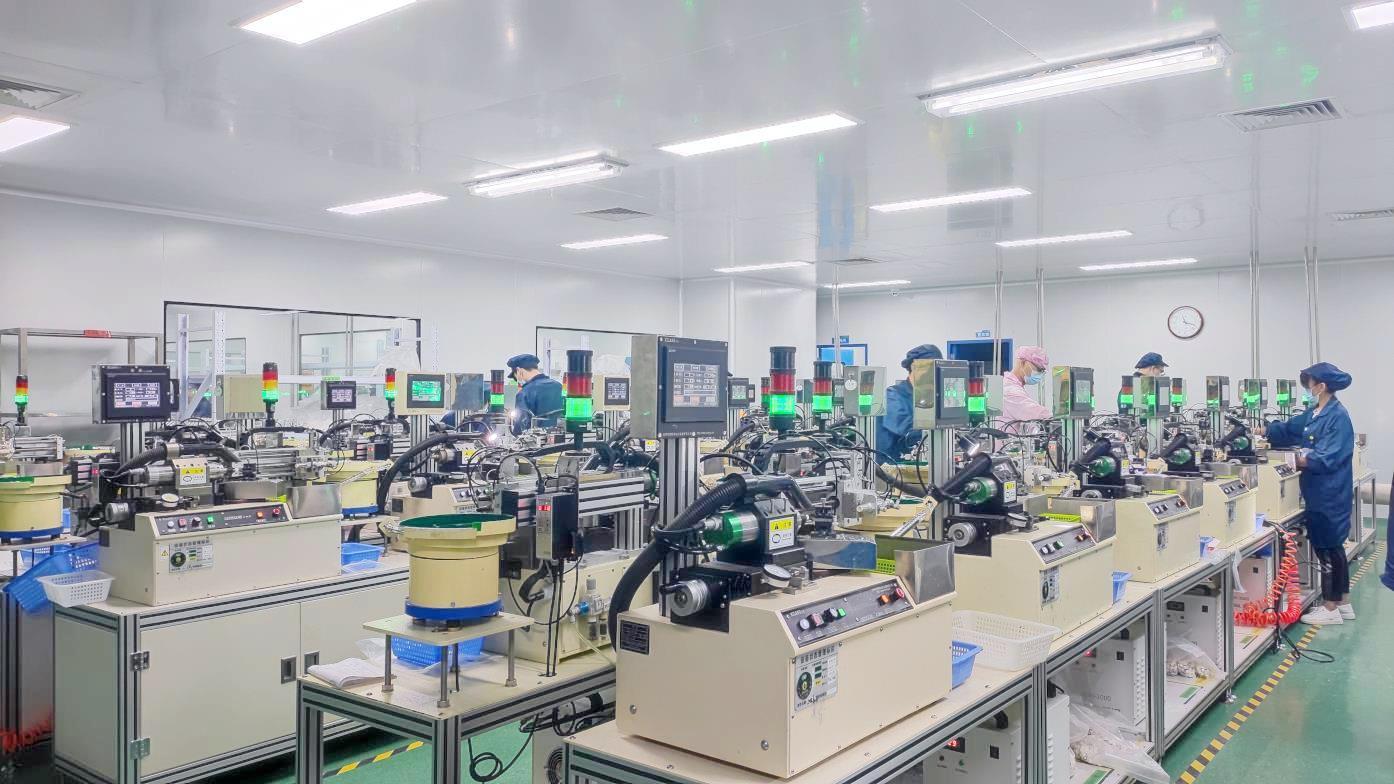
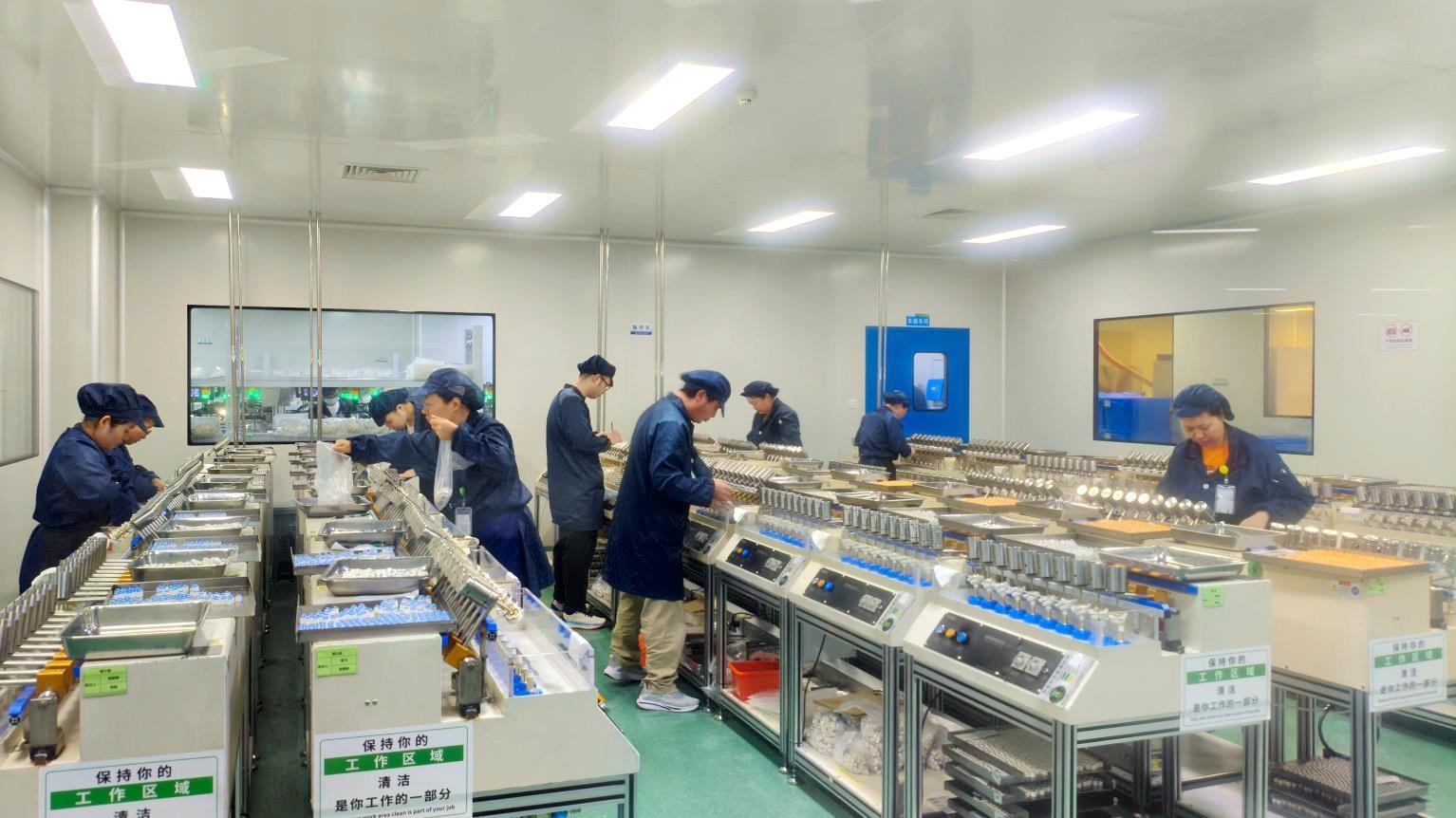
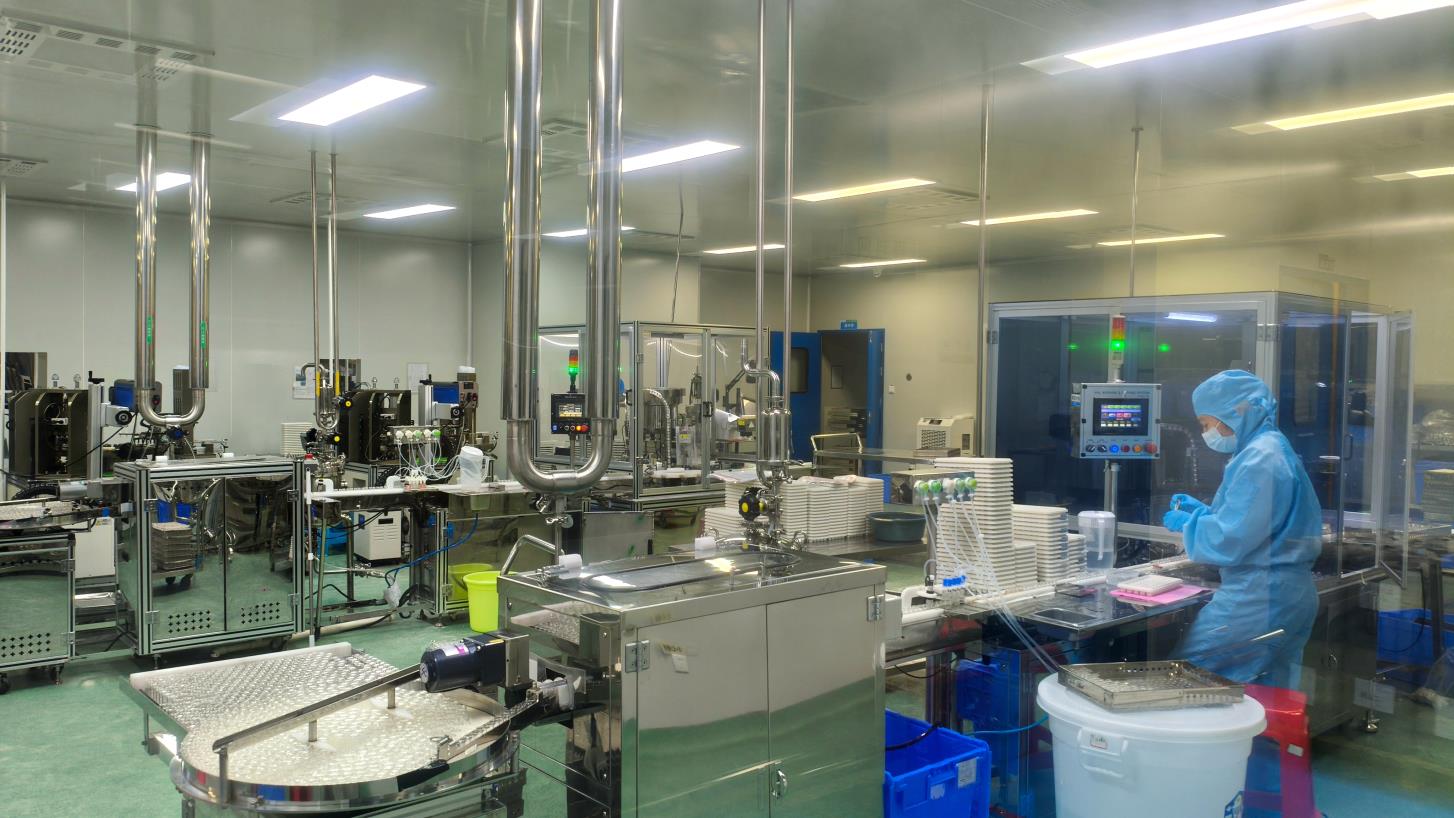
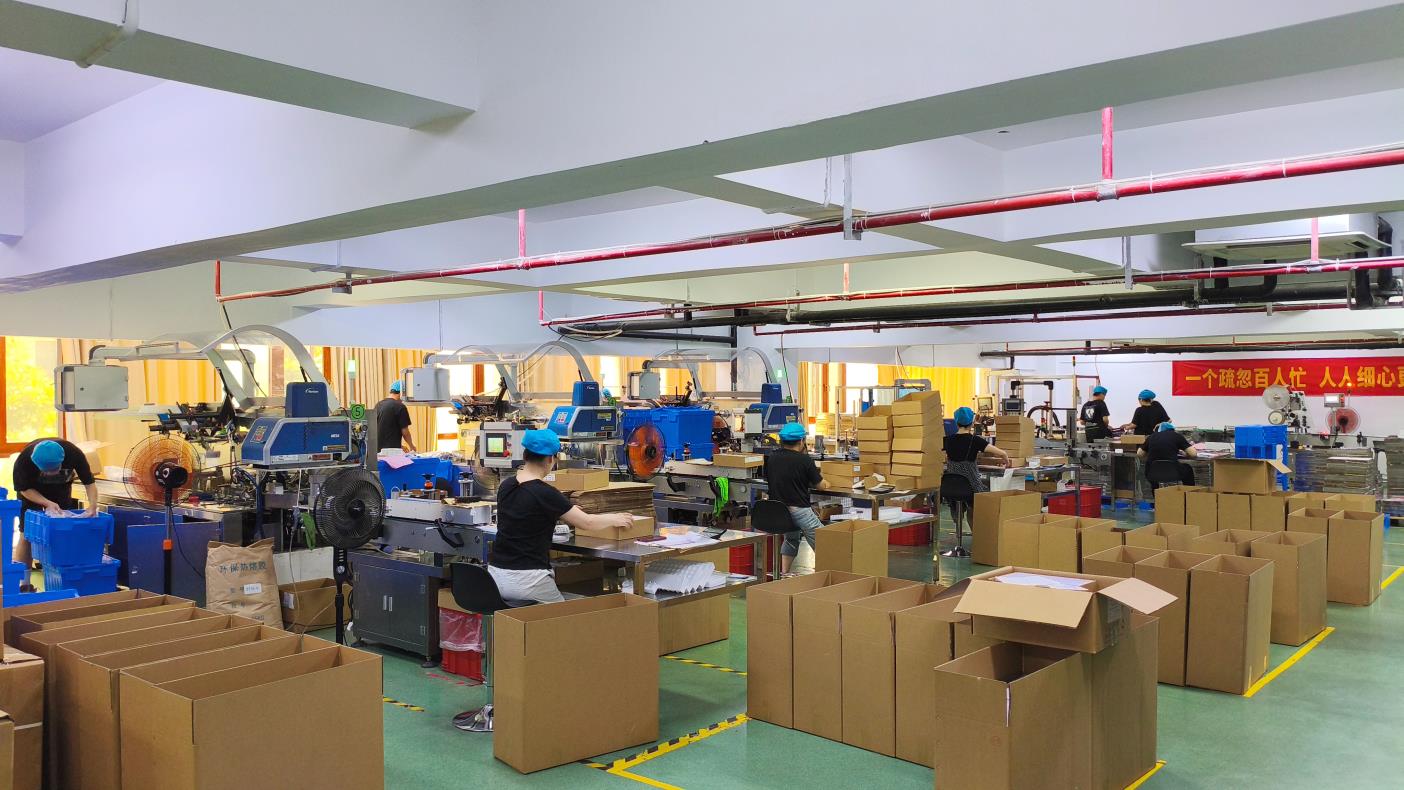
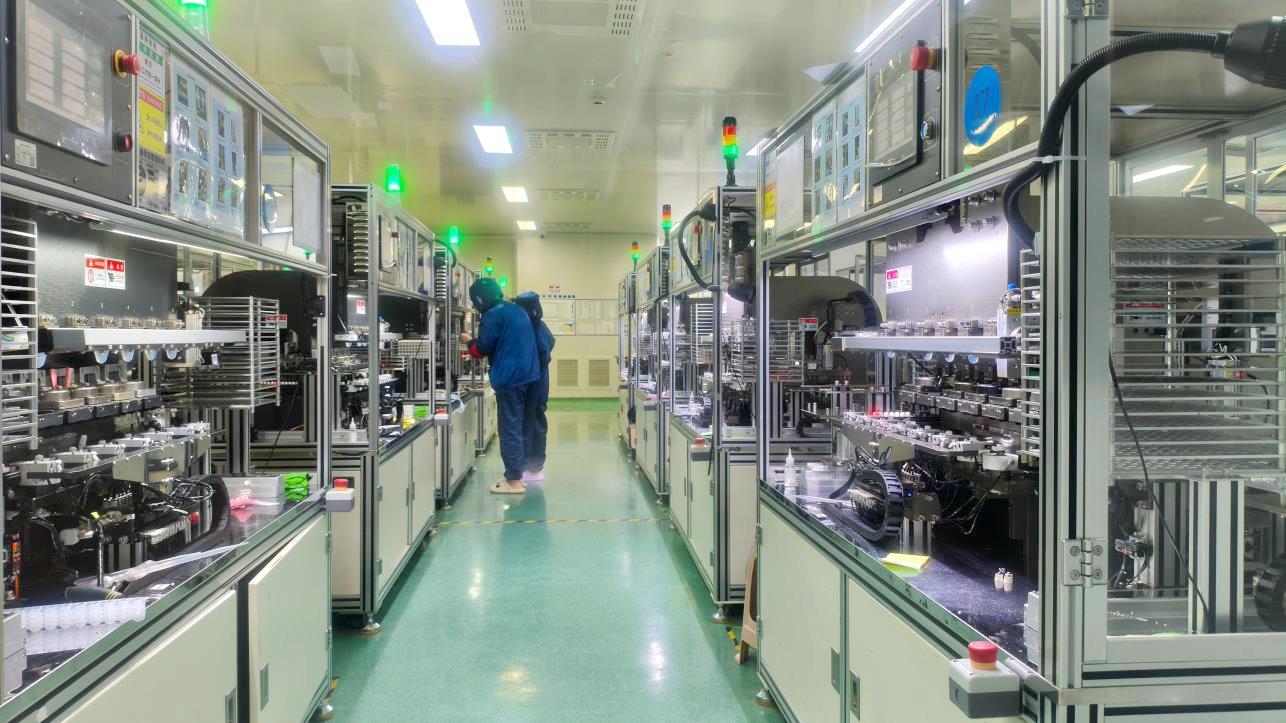
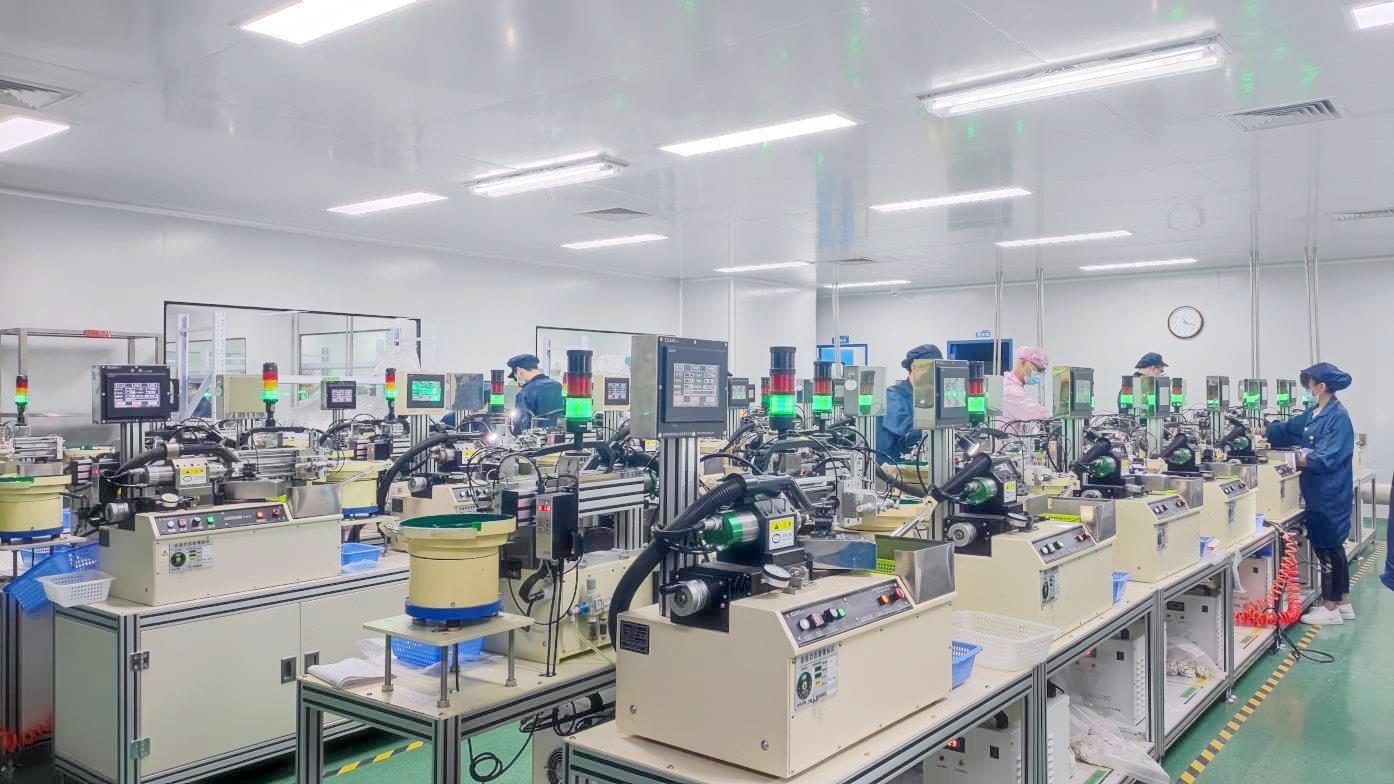
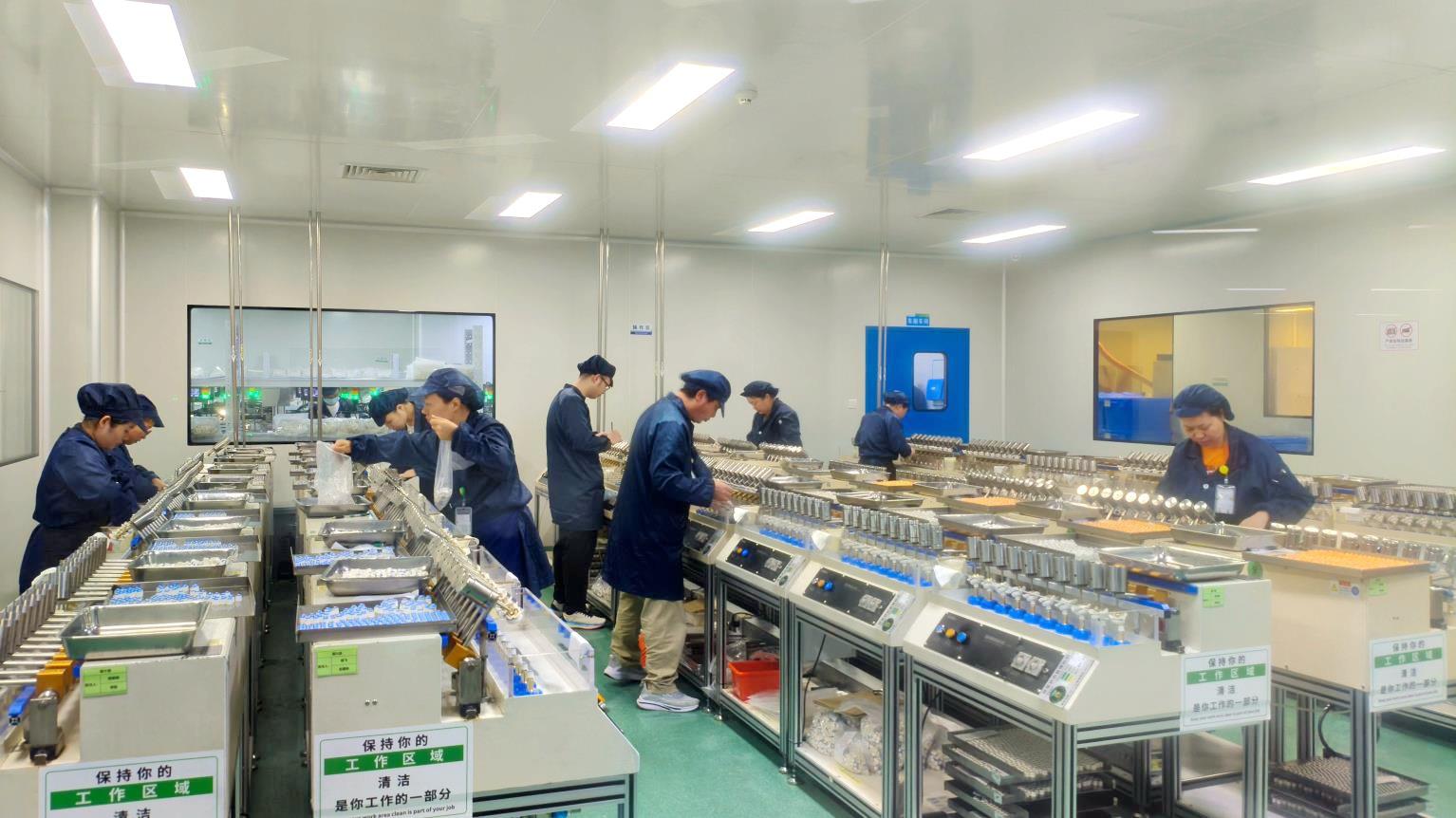
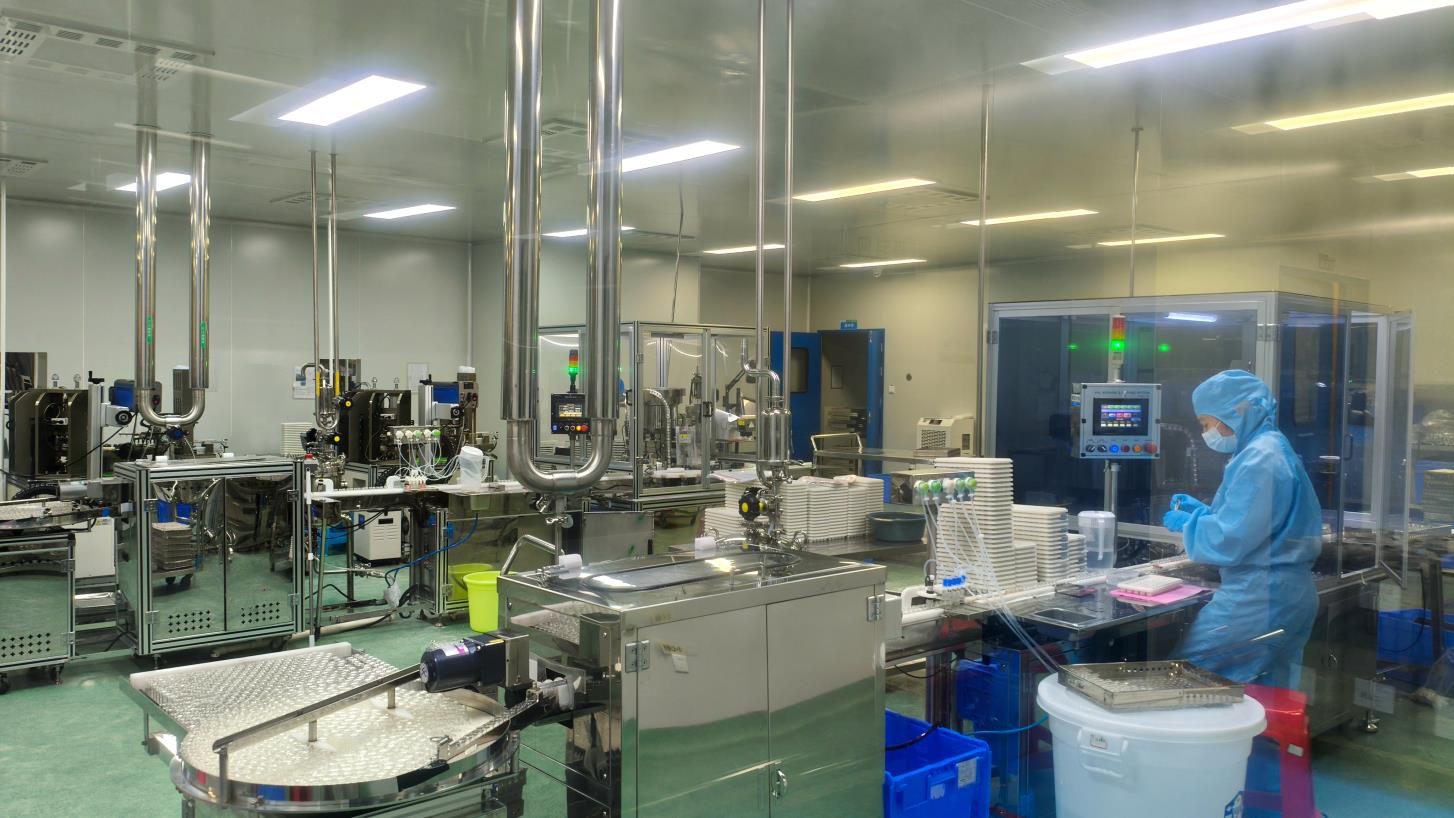
The global production of contact lenses has evolved from labor-intensive manual turning to highly automated Factory 4.0 smart systems. Guangzhou Blink Lenses Trading Co., Ltd., based in Dongguan's manufacturing corridor, represents this industrial shift. Through high-precision cast molding and automated vision systems, Chinese factories offer consistent quality and scale for French and global B2B procurement partners.
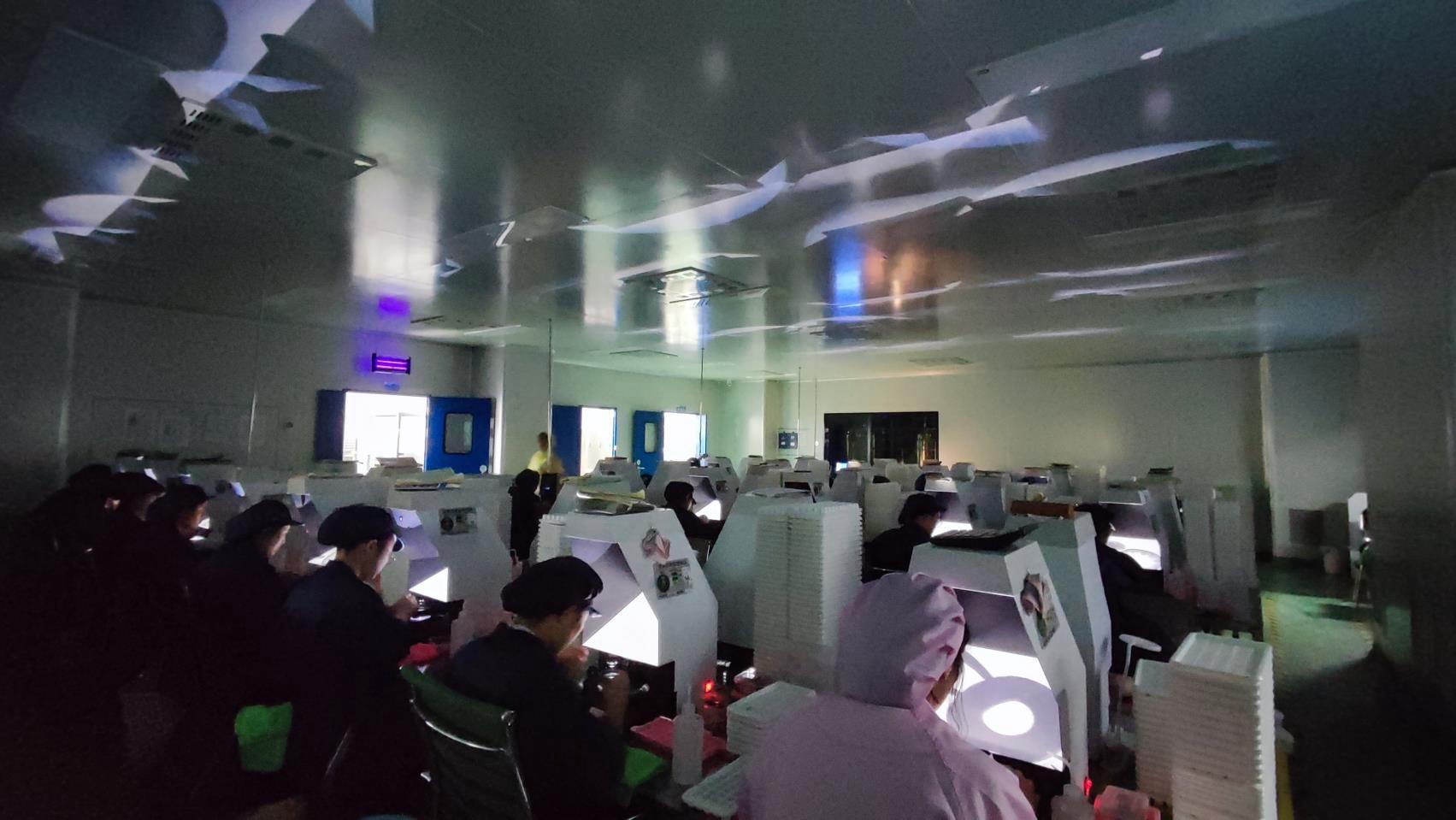
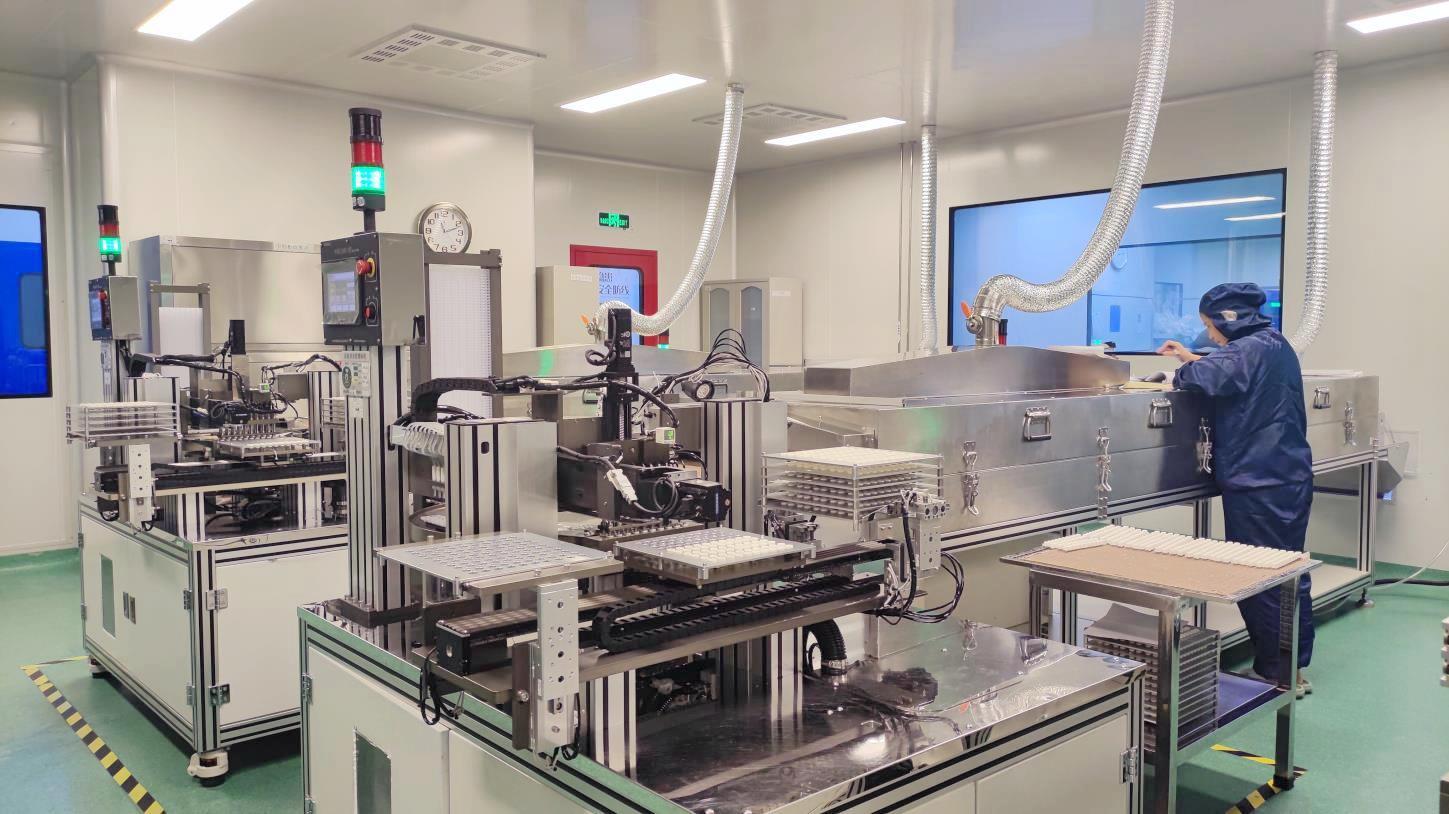
Lenses are molded and packaged inside strict ISO 8 (Class 100,000) cleanrooms. This environment keeps particulate counts low to prevent foreign body contaminants from embedding in the lens matrix.
Computer-controlled mold closing and curing systems ensure consistent parameters across millions of units, minimizing batch-to-batch variation.
Pigments are micro-encapsulated between two layers of Hydrogel. This prevents raw pigment molecules from contacting corneal tissue, meeting European safety expectations.
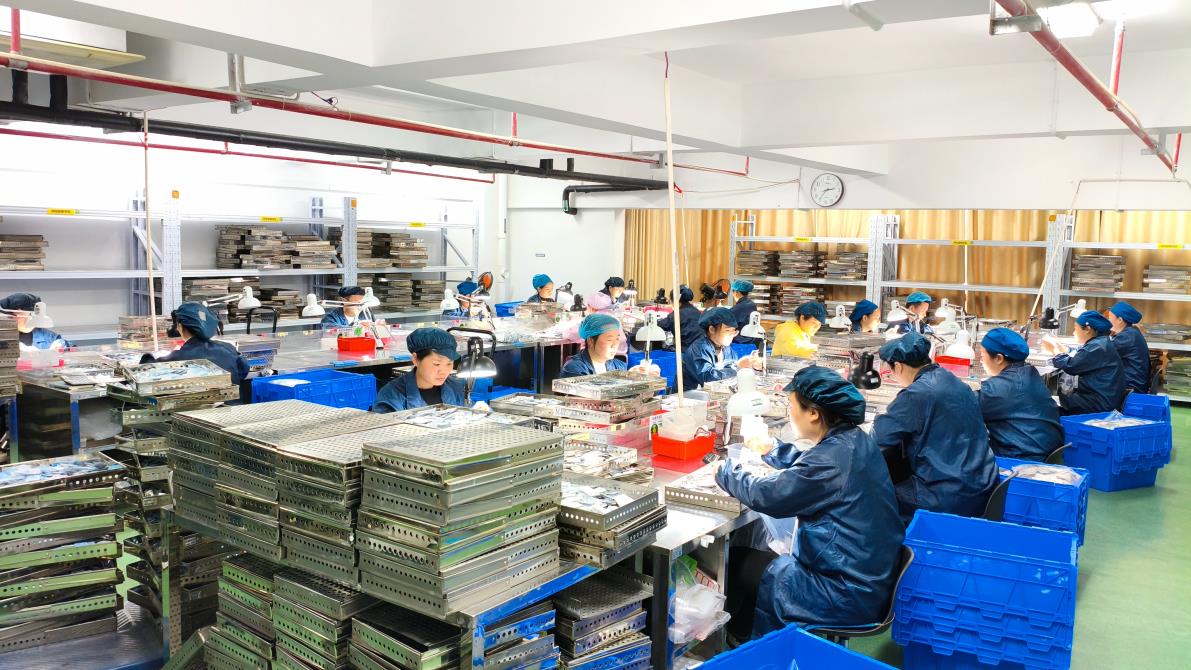
For import into France, medical devices must meet the requirements of the EU Medical Device Regulation (MDR 2017/745). Our factory's quality management system is certified to ISO 13485, with regular audits validating our sterilization, raw material traceability, and chemical extraction testing protocols. Every batch undergoes 100% projection inspection and FQC (Final Quality Control) to verify structural integrity and ensure zero defects reach our European distributors.
Industrial-Scale Manufacturer Specializing in the R&D and Mass Production of High-Quality Contact Lenses.
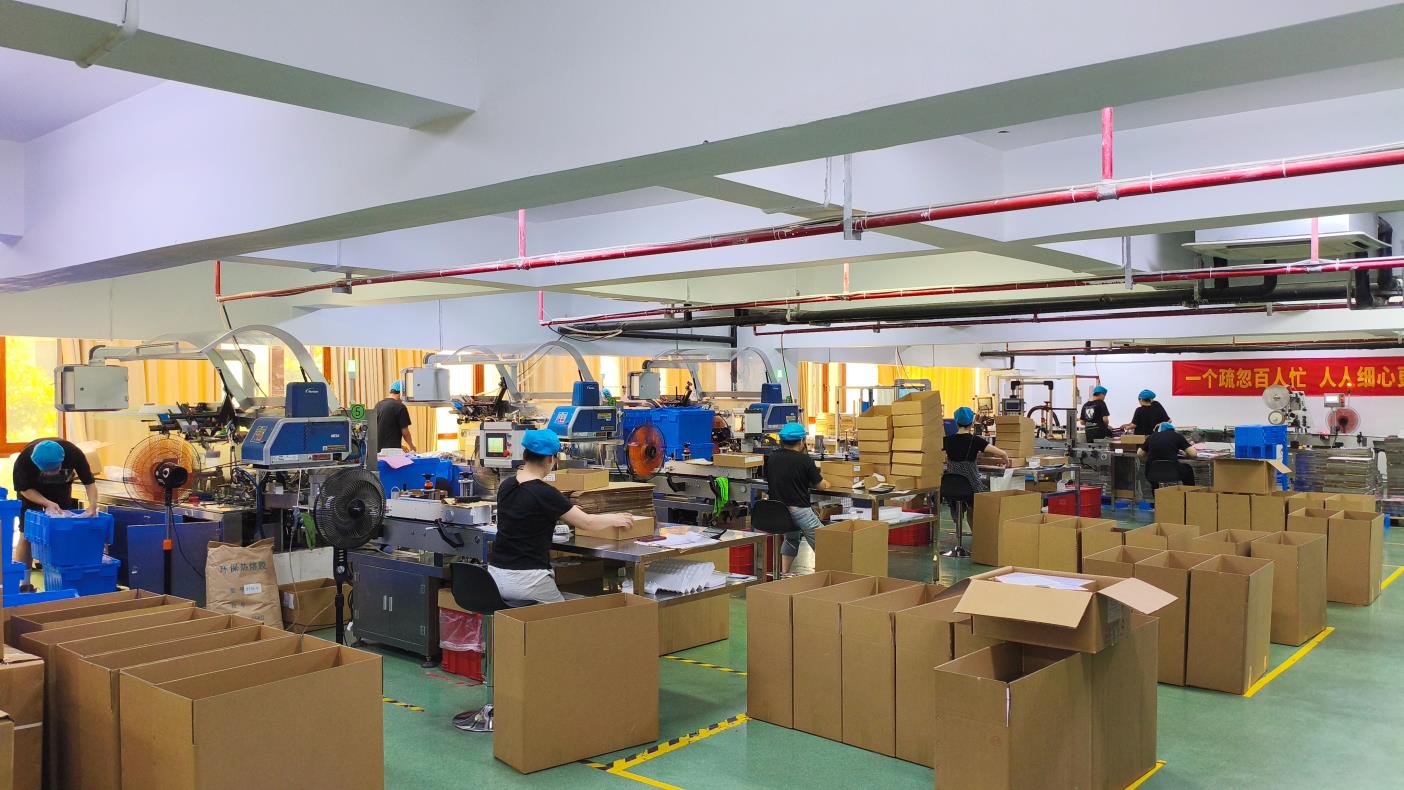
Located in the manufacturing hub of Dongguan, China, we operate a fully integrated facility that bridges cutting-edge optical technology with robust supply chain capabilities. As a dedicated B2B partner, we specialize in OEM, ODM, and turnkey private-label solutions. From material compounding (Hydrogel/Polyhema) to bespoke pattern design and compliant blister packaging, we provide global distributors and vision care brands with stability, scale, and safety.
In accordance with Directive 93/42/EEC and the modern EU MDR, non-prescription decorative lenses are classified as Class IIa medical devices. The French Association for Standardization (AFNOR) and the ANSM require manufacturers to demonstrate compliance with ISO 11978 regarding labeling, and ISO 14534 regarding general performance requirements for ophthalmic optics.
Material verification is key to compliance. Guangzhou Blink Lenses uses biocompatible hydrogels with optimal water content and high oxygen transmissibility (Dk/t). This design minimizes dry-eye symptoms, which are a common concern in heated office environments in Northern France, as well as the drier regions of the South.
To satisfy the demand of the French fashion and cosmetic retail markets, colored lenses must offer natural-looking designs. Rather than using opaque, single-color prints that can look unnatural, we employ a multi-layered dot-matrix layout. Our technology uses up to three distinct color tones to replicate the complexity of the human iris:
Technical answers to support compliance, inventory, and procurement decisions for B2B buyers and importers in the European market.
Yes. All our lenses are manufactured in ISO 13485 certified facilities. We provide comprehensive technical dossiers, including sterilization validation reports (ISO 11137), biocompatibility test results (ISO 10993), and CE certification under EU MDR compliance. This documentation supports import customs clearances and local ANSM reporting.
We use medical-grade Hydrogel polymers (such as HEMA/NVP copolymers and Omafilcon) with water content options ranging from 38% to 42%. This balance supports oxygen transmissibility and material stability. This design helps minimize dehydration-induced curvature changes, making the lenses comfortable for extended wear.
For customized packaging (blisters and boxes with localized French instructions/ingredients), the standard MOQ is 1,000 pairs per SKU, with total order thresholds starting at 5,000 pairs. For generic wholesale orders under our brand, we offer lower MOQs to support initial inventory testing in new retail channels.
We utilize sandwich encapsulation technology. The pigment layer is embedded between two layers of clear HEMA polymer. This prevents the colorants from coming into direct contact with the tear film or corneal tissue, reducing the risk of pigment leaching or corneal abrasion.
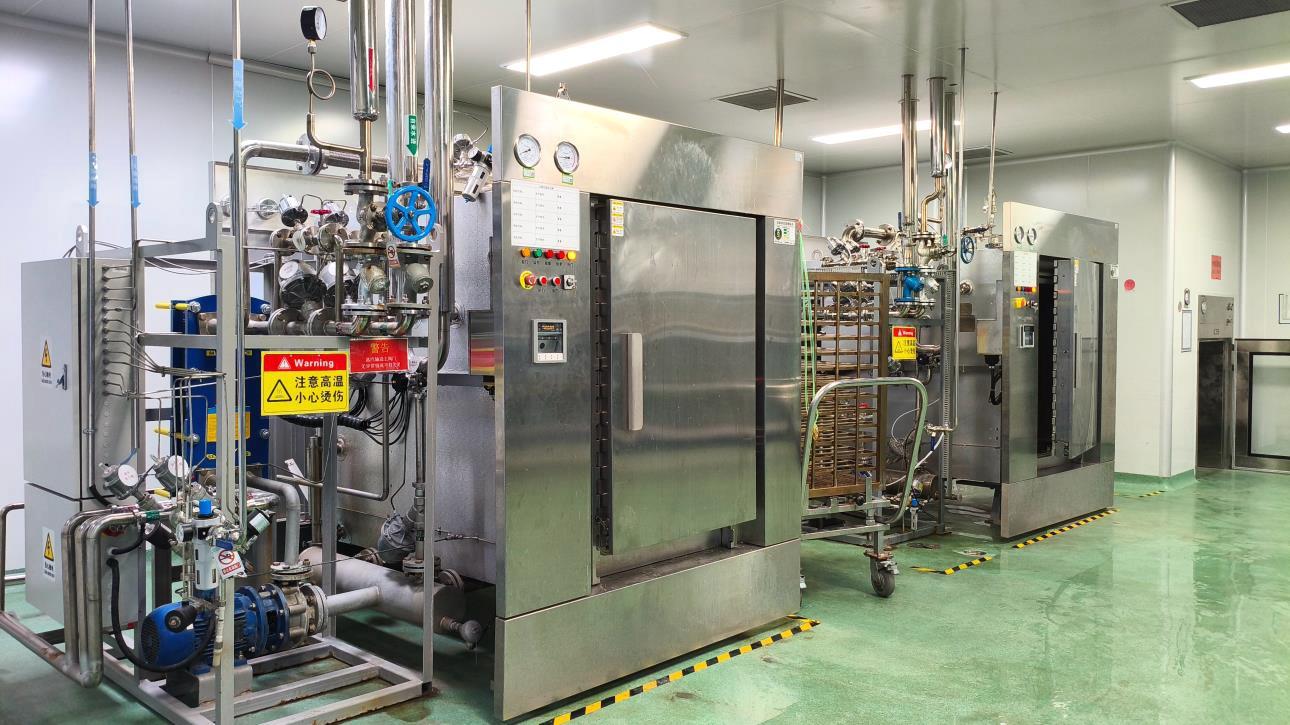
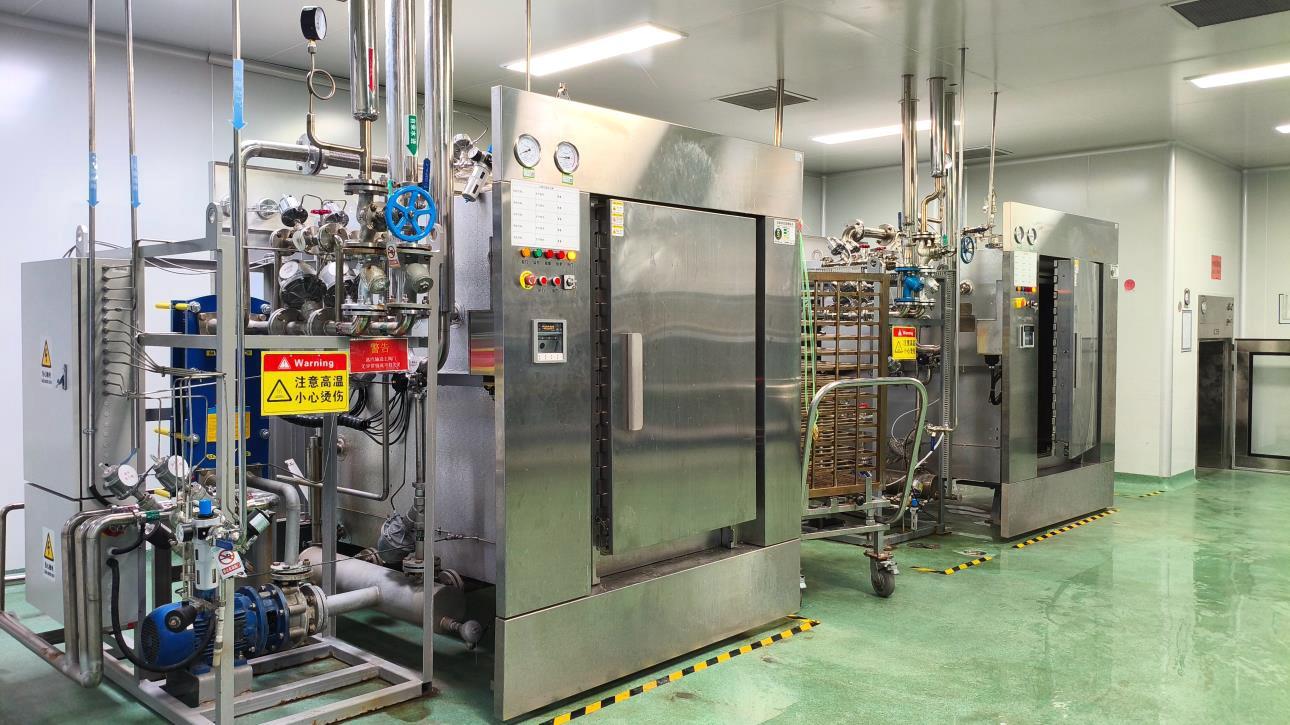
Our lenses are sterilized using a validation-controlled steam autoclave system. When stored in sealed blister packs, they maintain a shelf life of five years from the date of manufacture. The sterilization cycle is documented and traceable by batch number.
For OEM production, the timeline is typically 25 to 35 days, which includes artwork confirmation, molding, sterilization, and packaging. Shipping via air freight to Paris (CDG) or Lyon (LYS) takes 5 to 7 business days, while sea freight options to Marseille port take approximately 30 to 35 days.
Yes. Our R&D department can work with your design team to develop custom color matrices. We calibrate the transparency, radial stroke layouts, and limbal ring density to match your brand requirements, followed by pre-production sampling for color verification.
Under ISO 13485 standards, we maintain record traceability from raw monomer lots to the finished product. In the event of a customer inquiry, we can trace the production run, sterilization records, and optical parameters of the specific batch.
Our complete wholesale and custom private-label portfolio. Formulated with biocompatible polymers and natural color transitions.
Discuss your compliance specifications, custom packaging concepts, and order requirements directly with our technical account management team serving the French and European markets.
Send Inquiry Now Blink Lenses