Advanced custom packaging, technical manuals, and protective options tailored for the regulatory requirements of the Malaysian vision care market.
The Malaysian contact lens and lens care market is undergoing a rapid technological evolution. Driven by a highly urbanized population concentrated in hubs like the Klang Valley (Kuala Lumpur and Selangor), Penang, and Johor Bahru, demand for vision correction and cosmetic eye products is at an all-time high. Clinical studies indicate a rising prevalence of myopia among school-aged children and young professionals in Malaysia, accelerating the adoption of corrective contact lenses.
Unlike basic commodity markets, the Malaysian contact lens care segment requires formulations capable of handling distinct environmental pressures. The combination of intense tropical humidity, high pollen counts, and constant exposure to air-conditioned indoor spaces increases the incidence of dry eye syndrome among local users. This has shifted market demand away from traditional saline solutions towards advanced multipurpose disinfecting solutions (MPDS) that feature advanced wetting agents like Hyaluronic Acid (HA) and Hydroxypropyl Methylcellulose (HPMC).
For brands and distributors targeting the Malaysian market, partnering with a manufacturer capable of formulating medical-grade, biocompatible eye care solutions is vital. From daily disposable blister packs to specialized multi-purpose cleaning liquids, security of supply and compliance with local guidelines are the twin pillars of commercial growth in the ASEAN region.
Developing products for Malaysian consumers requires deep empathy with their daily routines, climate constraints, and cultural expectations. As experienced manufacturers, we analyze these micro-scenarios to help private label brands position their products strategically.
Malaysia’s year-round hot, humid outdoor air coupled with heavily air-conditioned offices leads to rapid dehydration of contact lenses. Our custom solutions incorporate specialized moisture-lock technology to prevent tear evaporation.
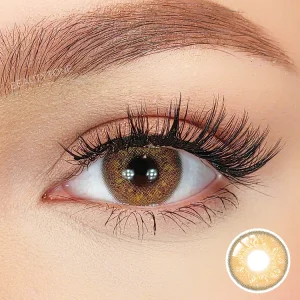
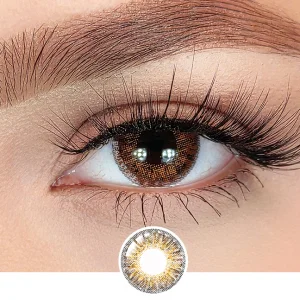
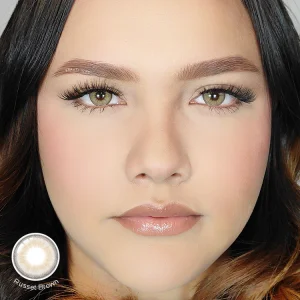
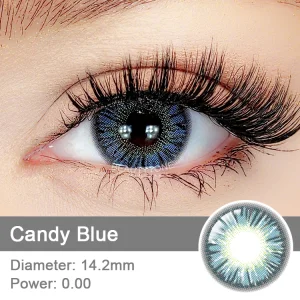
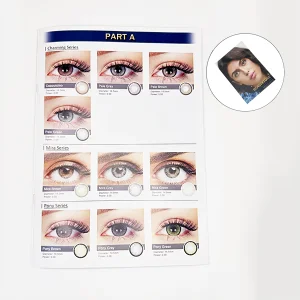
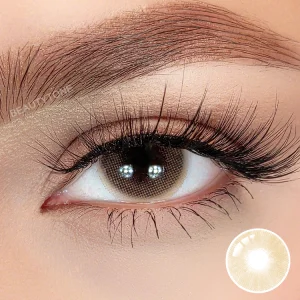
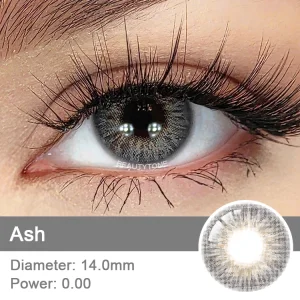
Driven by social media and pop culture trends, young Malaysians exhibit a strong preference for cosmetic color contact lenses. We customize multi-tone pigmentations (such as 3-tone natural blends) designed for dark irises.
A key consideration for the Malaysian demographic is the use of animal-free, ethical, and biocompatible ingredients. Our raw material sourcing ensures complete traceability and clinical compatibility with vegan standards.
Because the local consumer is highly informed, eye care product packaging must communicate efficacy and safety statistics clearly. Key factors such as oxygen transmissibility (Dk/t), water content optimization, and antimicrobial efficacy against pathogens like *Acanthamoeba* and *Pseudomonas aeruginosa* are vital selling points for the Malaysian market. Our R&D department works closely with brands to supply clinical documentation verifying these parameters, ensuring high trust among Malaysian optometrists and end-users alike.
Bridging cutting-edge optical technology with robust supply chain capabilities from our state-of-the-art production hub.
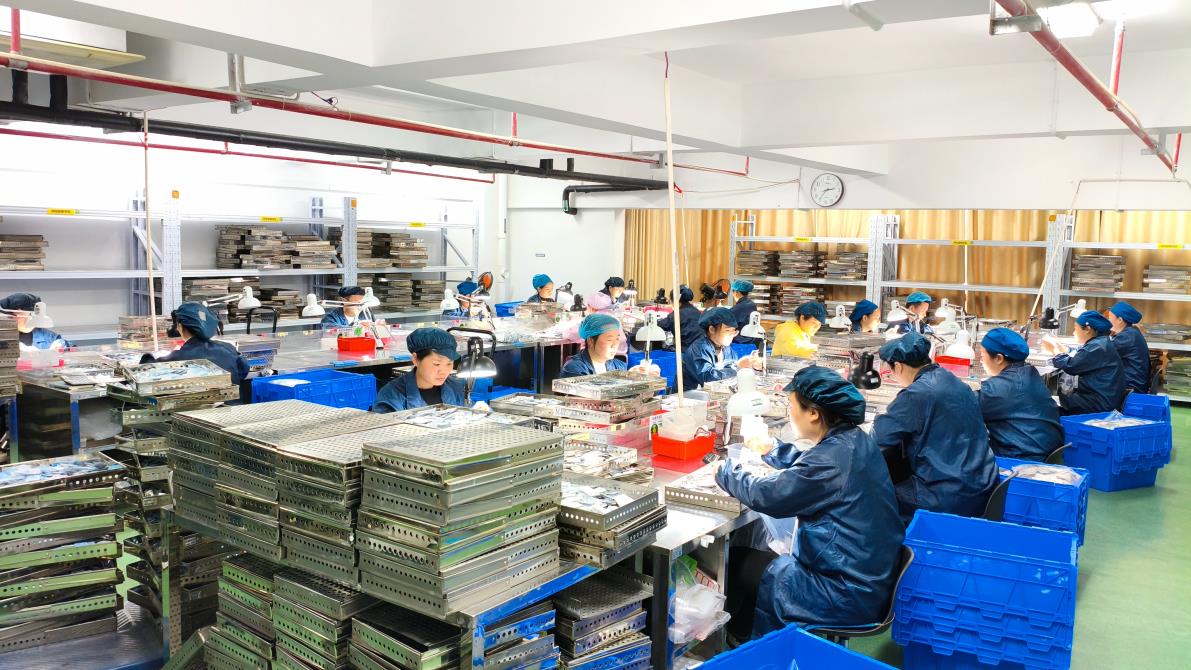
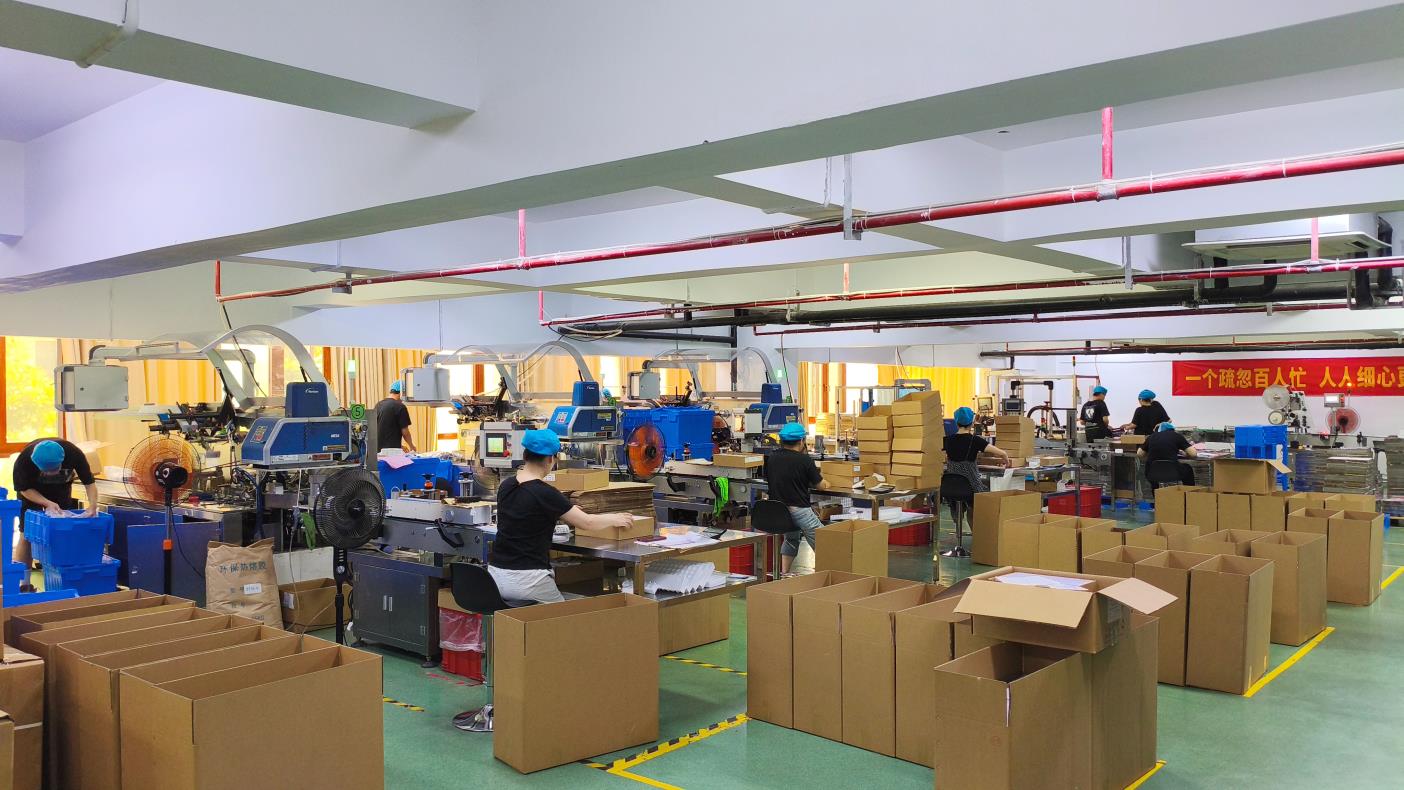
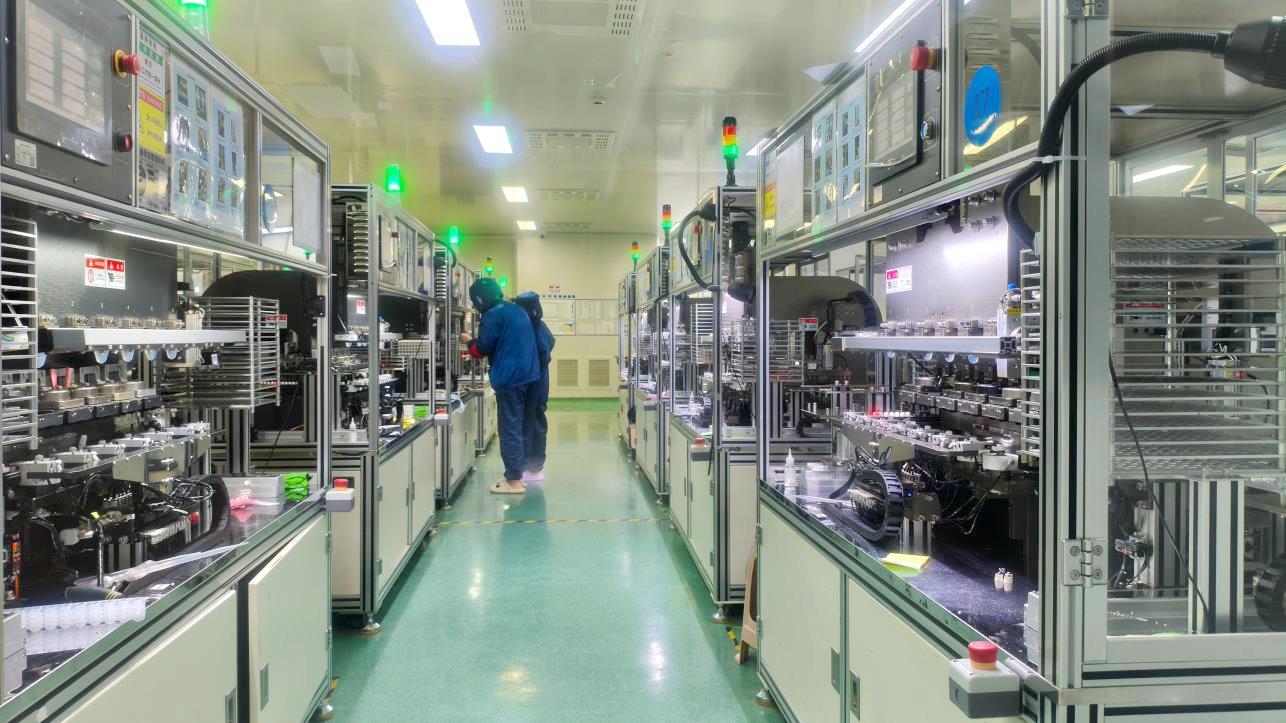
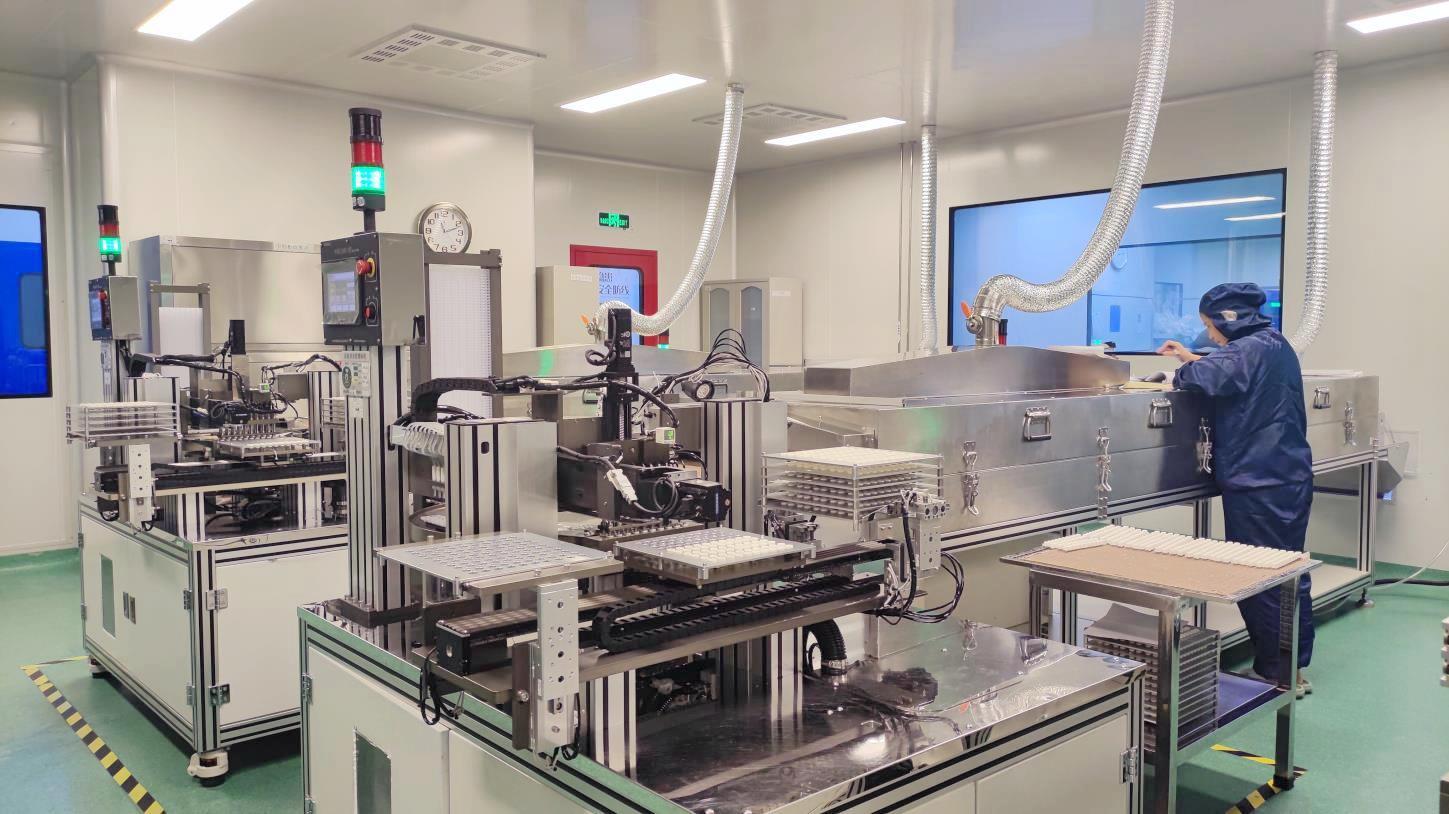
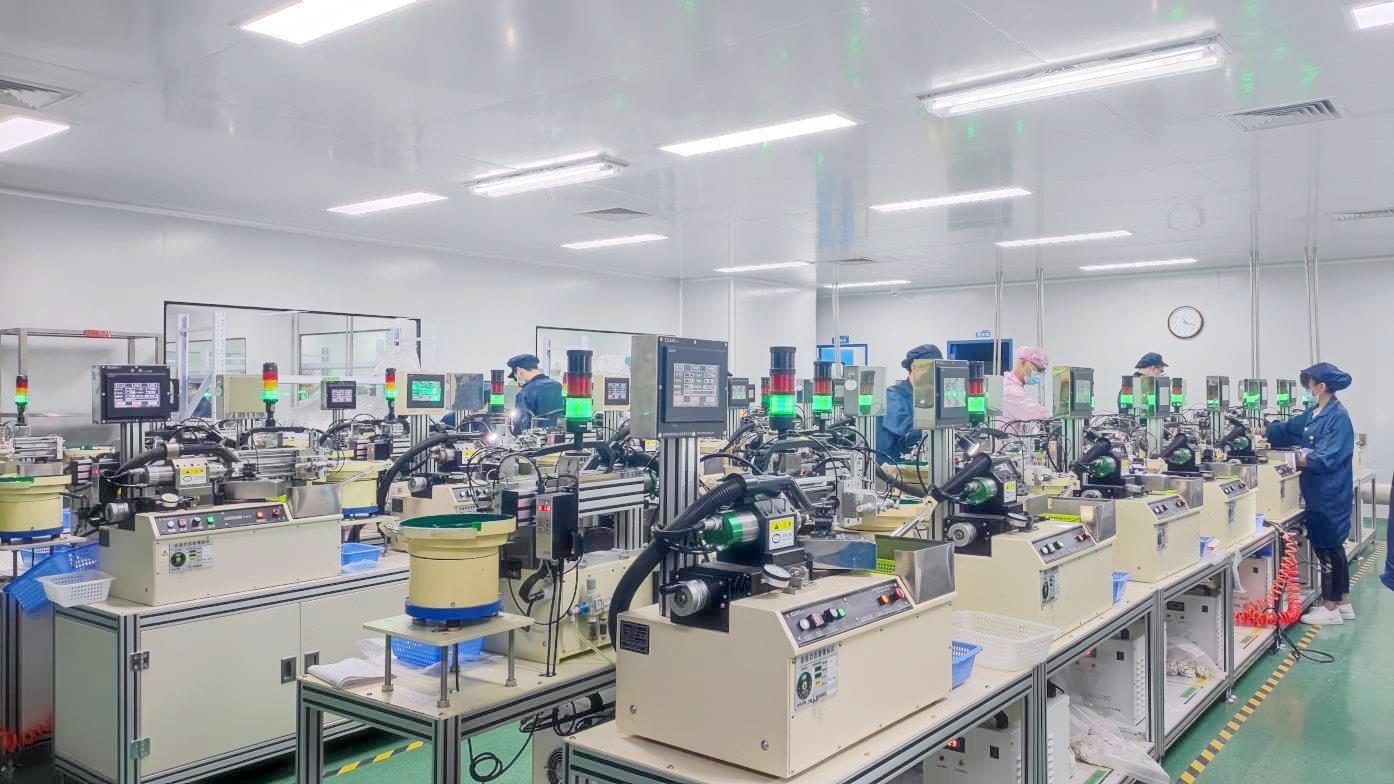
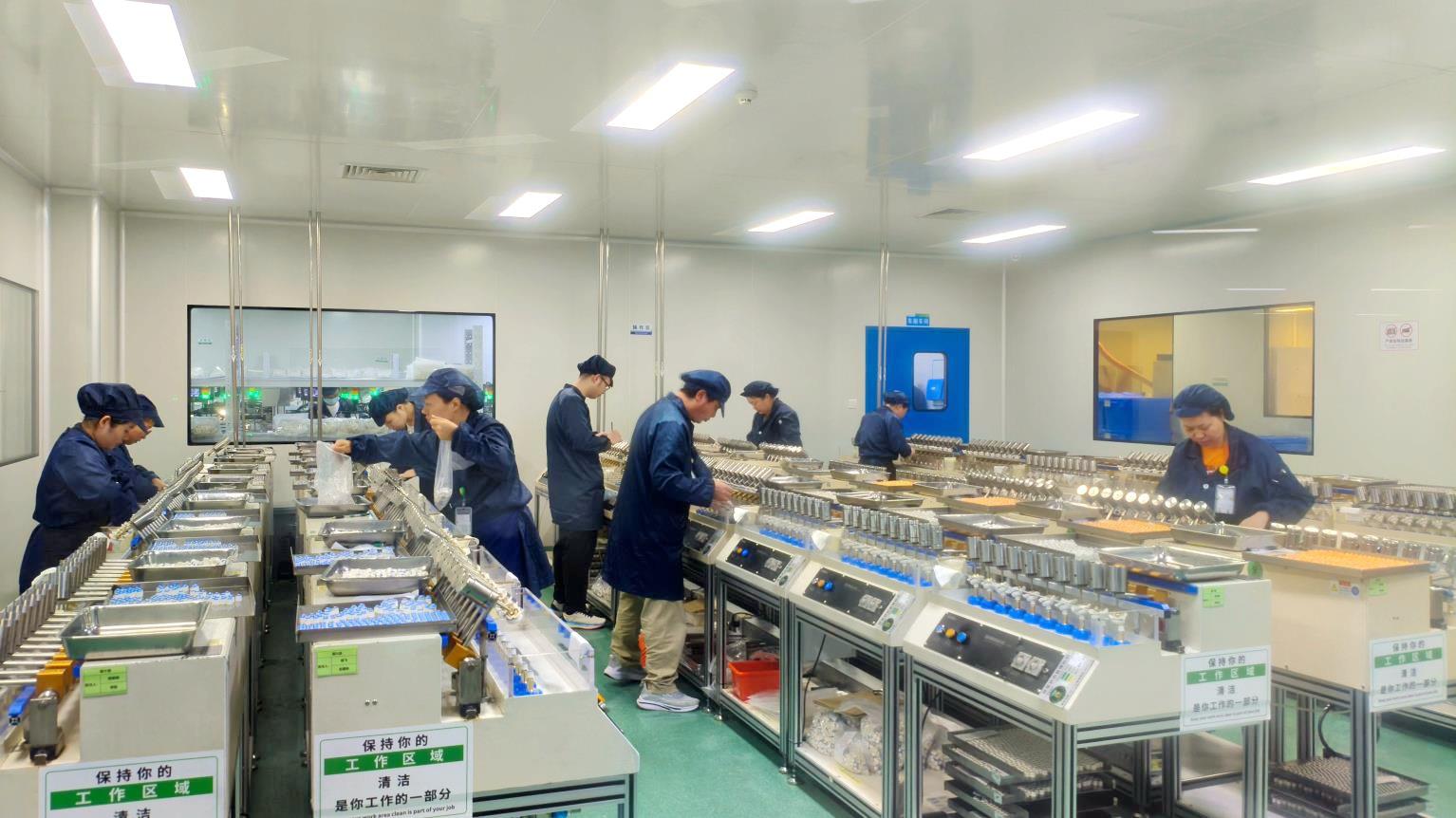
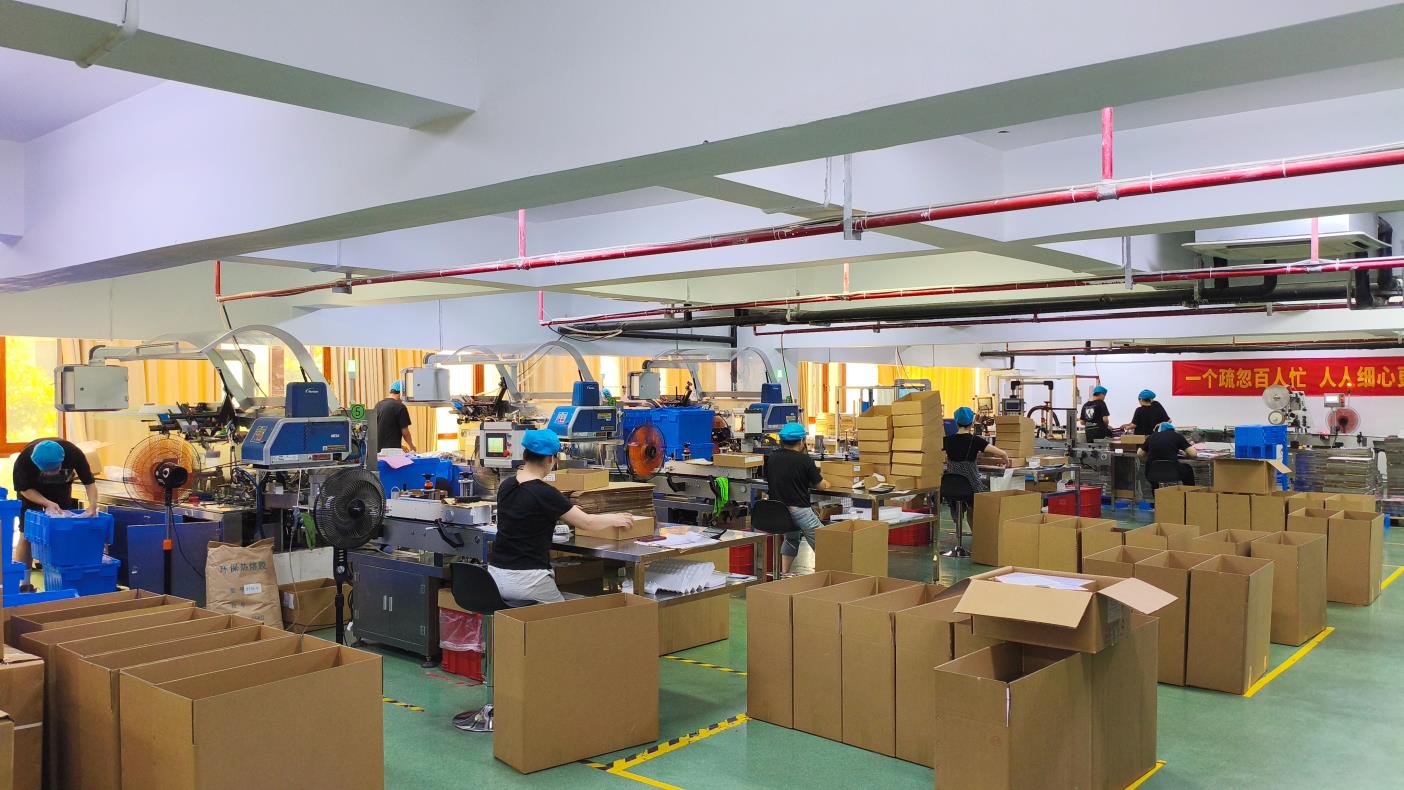
Guangzhou Blink Lenses Trading Co., Ltd. is an industrial-scale manufacturer specializing in the R&D and mass production of high-quality contact lenses and cosmetic colored lenses. Located in the manufacturing hub of Dongguan, China, we operate a fully integrated facility that bridges cutting-edge optical technology with robust supply chain capabilities.
As a dedicated B2B partner, we specialize in OEM, ODM, and turnkey private-label solutions. From material compounding (Hydrogel/Polyhema) to bespoke pattern design and compliant blister packaging, Chic Contacts provides global distributors and vision care brands with unparalleled stability, scale, and safety.
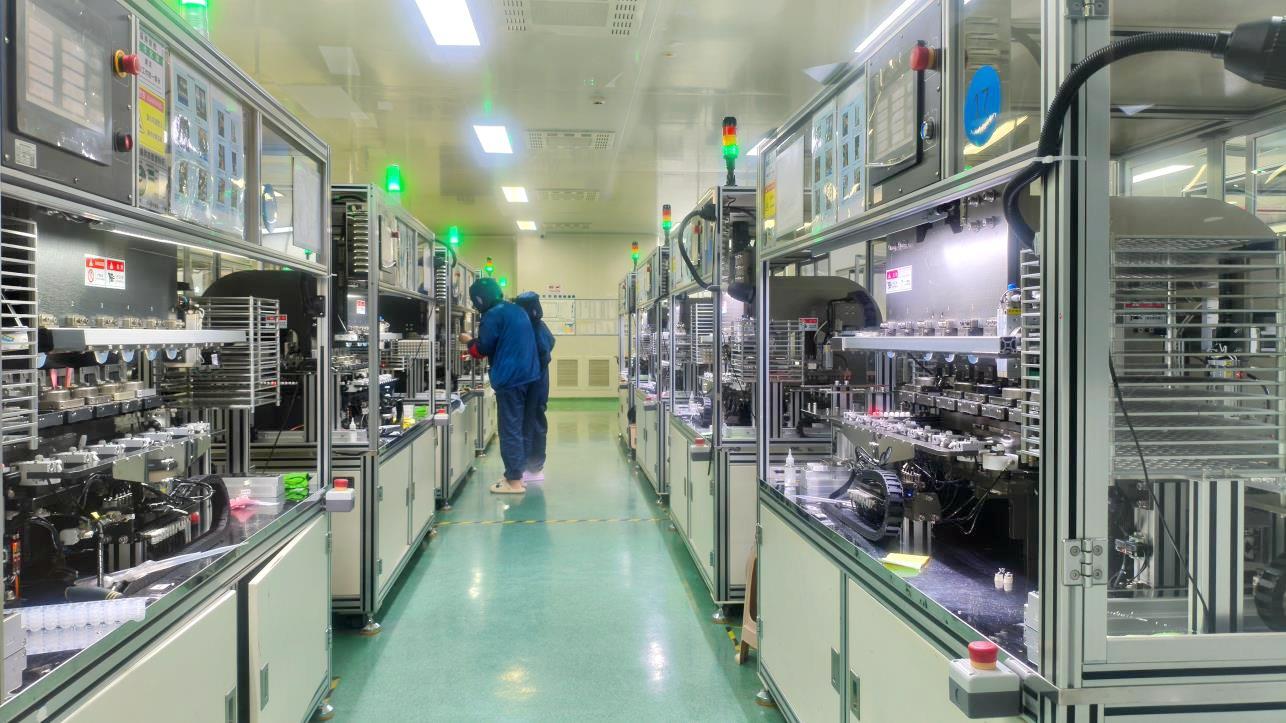
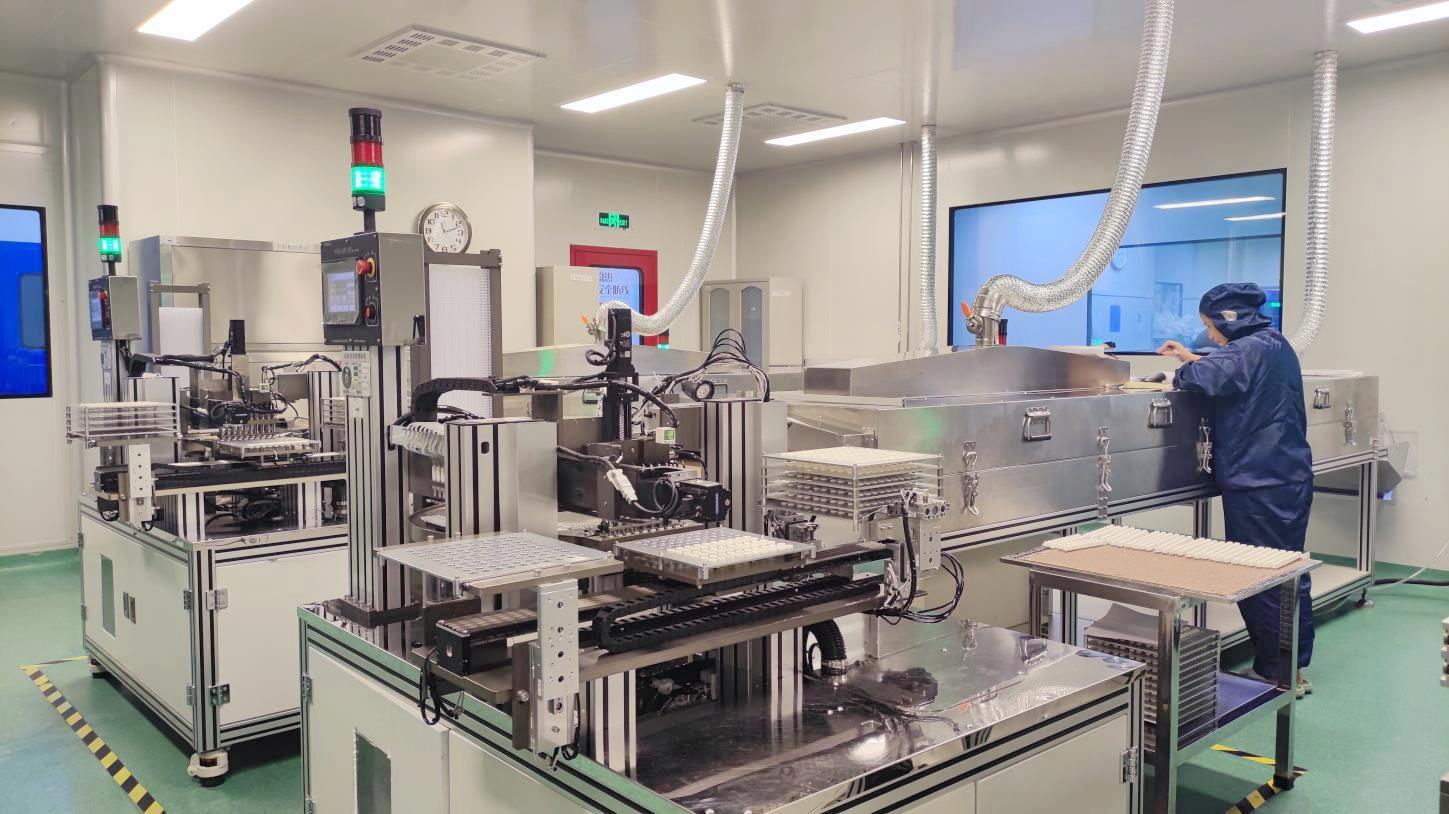
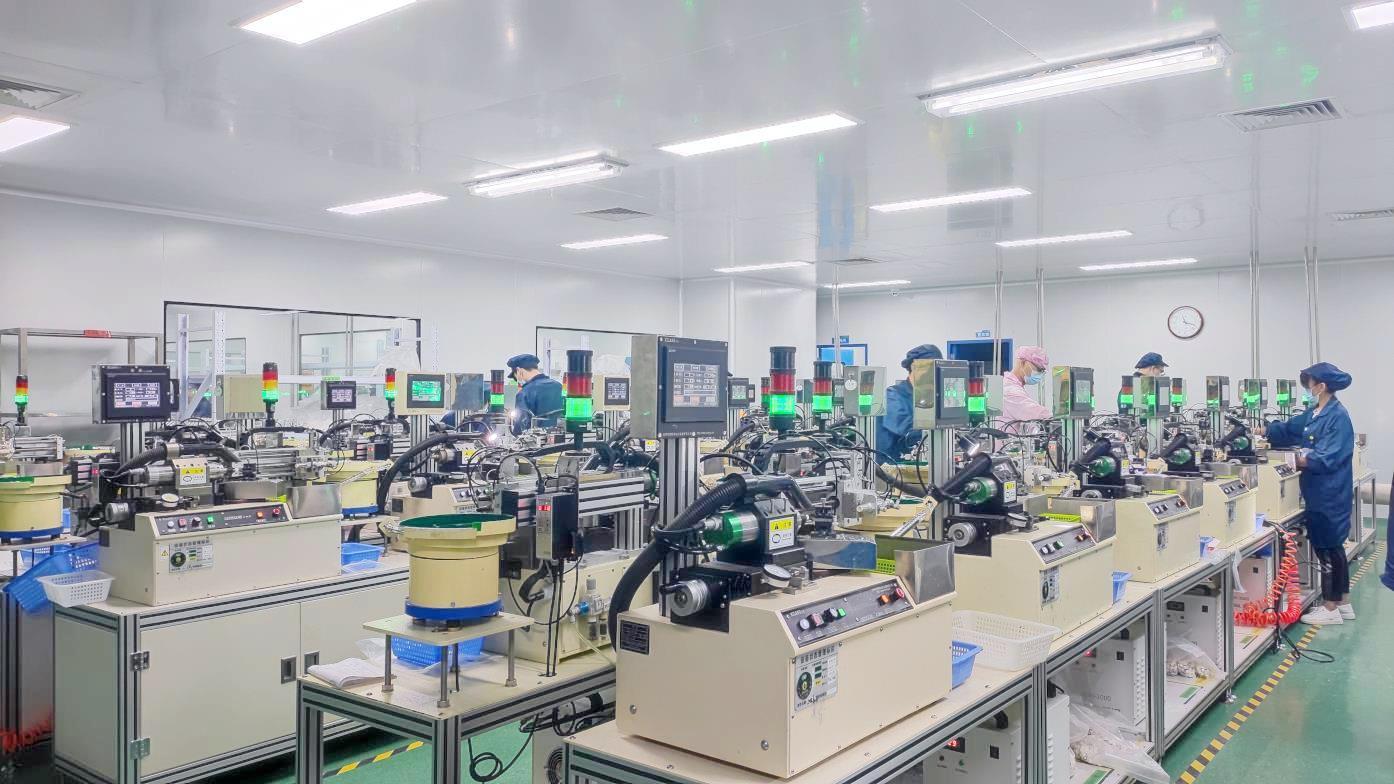
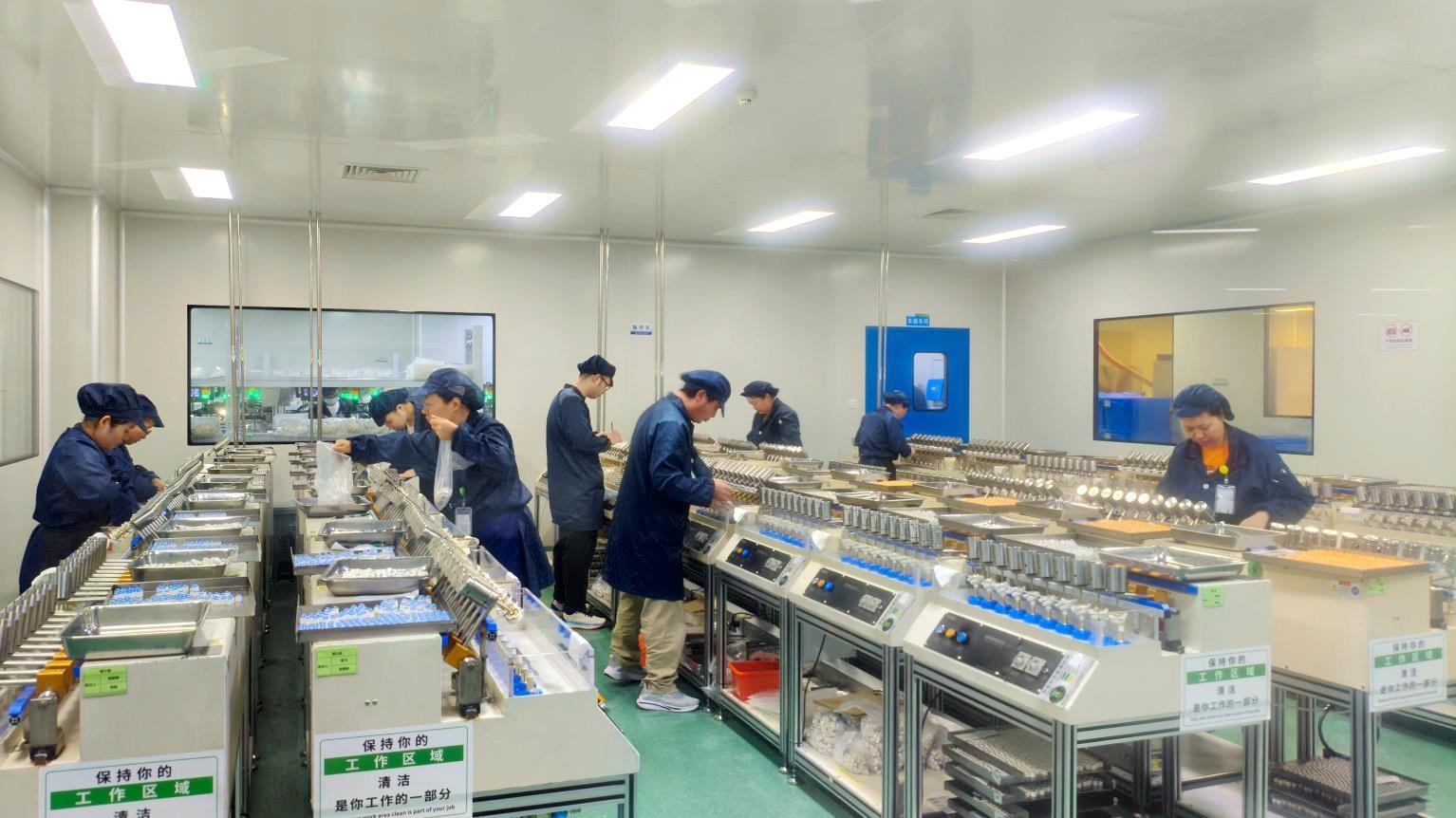
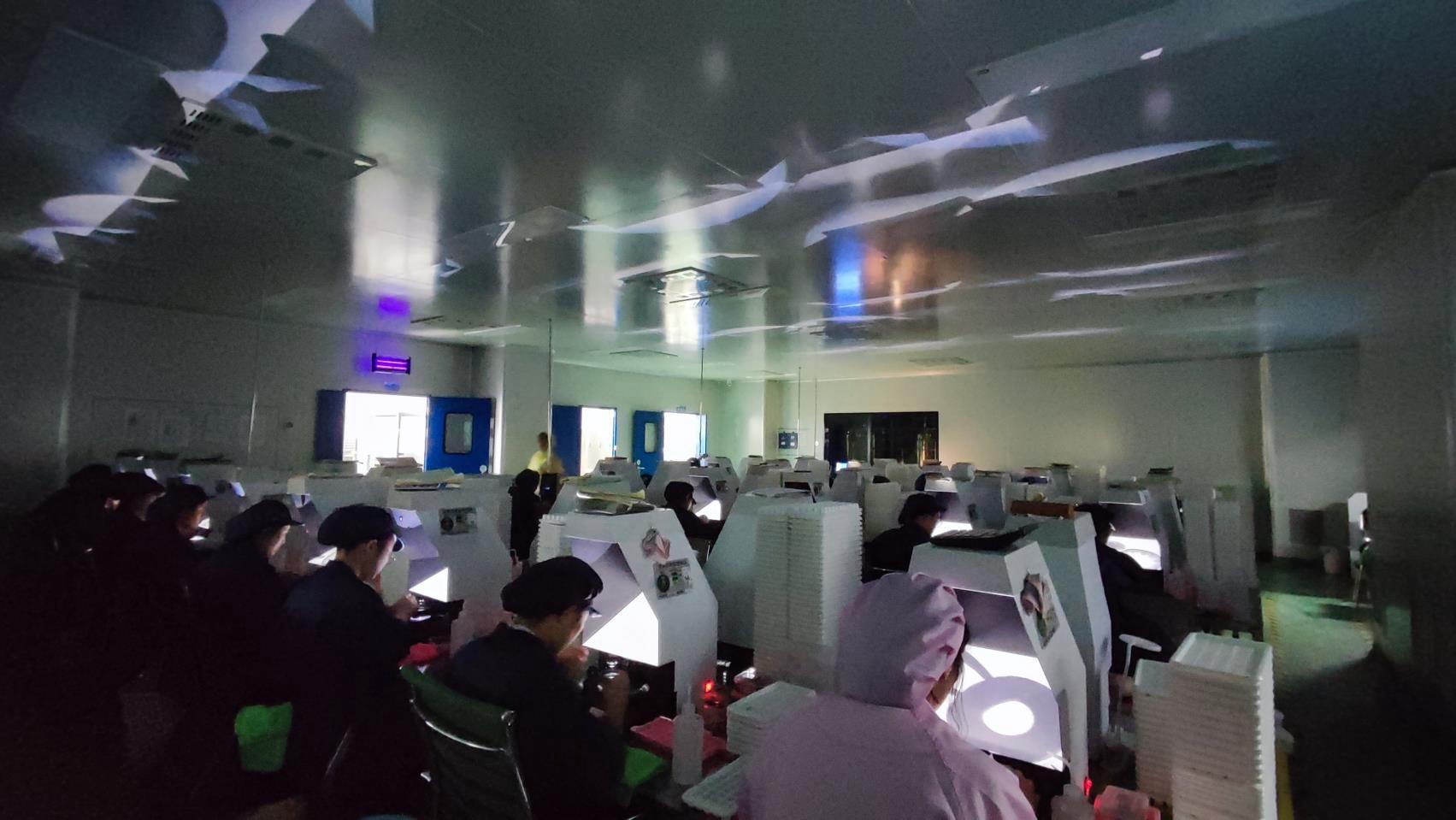
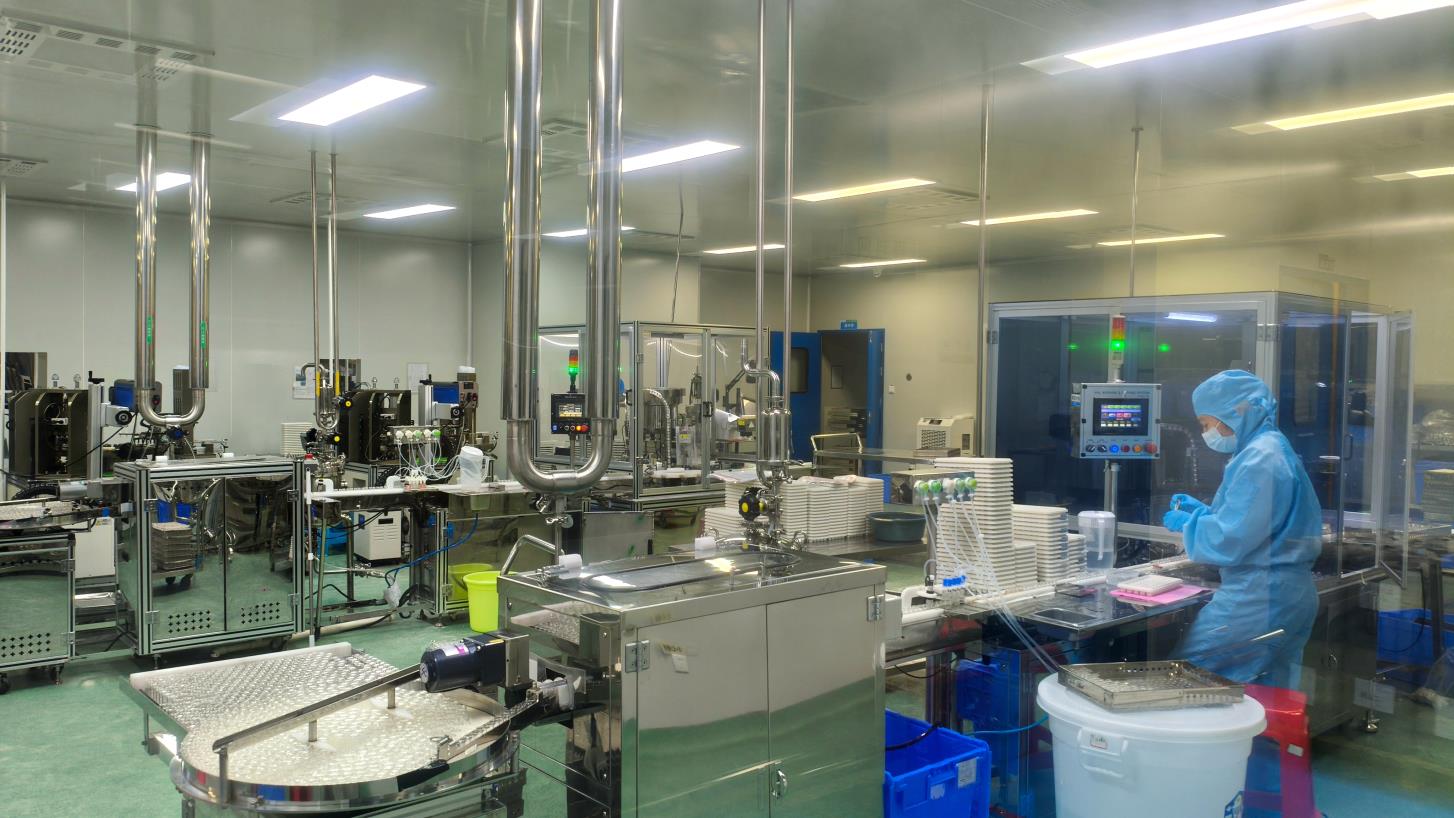
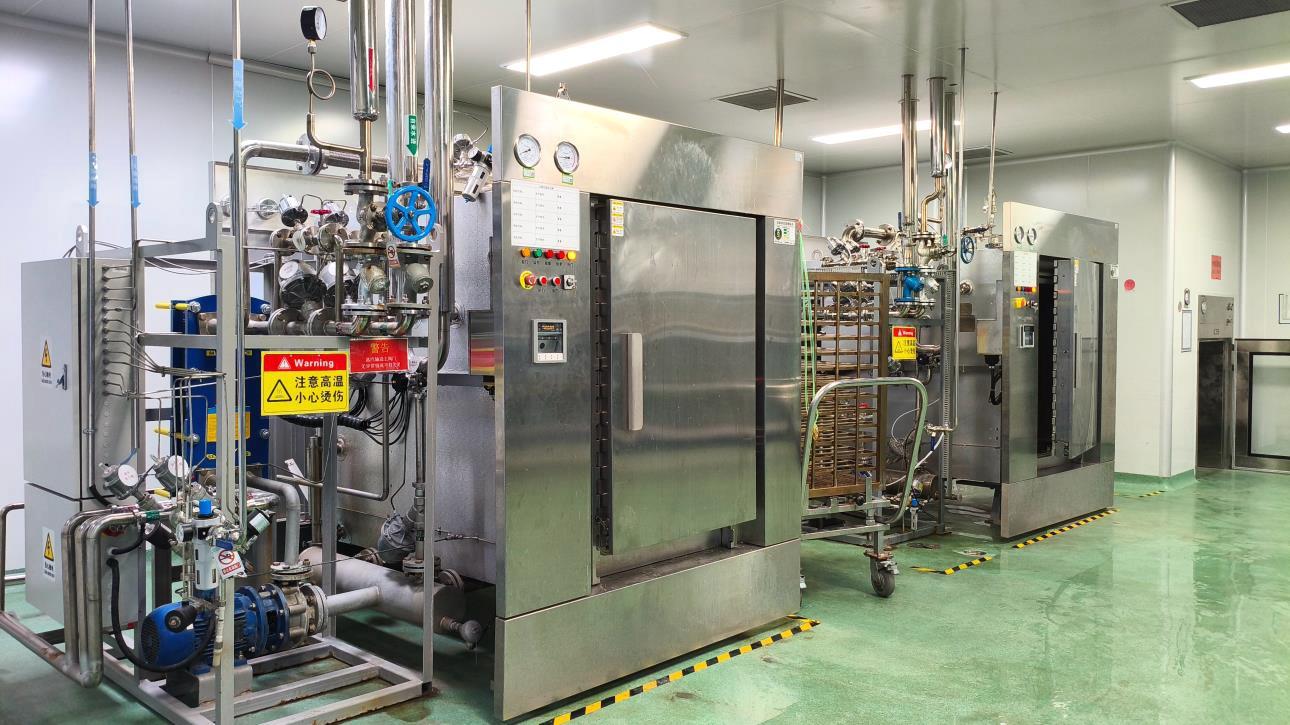
The global contact lens industry is transiting from standard hydrogel polymers to high-performance biomimetic materials. As a technology-focused manufacturer, our R&D roadmap aligns with these generational shifts, ensuring our Malaysian partners always have access to leading-edge solutions.
While traditional PolyHEMA lens materials remain popular due to cost efficiency, Silicone Hydrogel is rapidly becoming the industry standard. Silicone hydrogel polymers offer up to five times greater oxygen permeability (Dk/t) compared to traditional hydrogels, reducing corneal hypoxia and redness—a common complaint in tropical regions like Malaysia. Our factories have integrated specialized surface modification processes (such as plasma treating and internal wetting agents) to ensure high wettability and low lipid deposition on silicone surfaces.
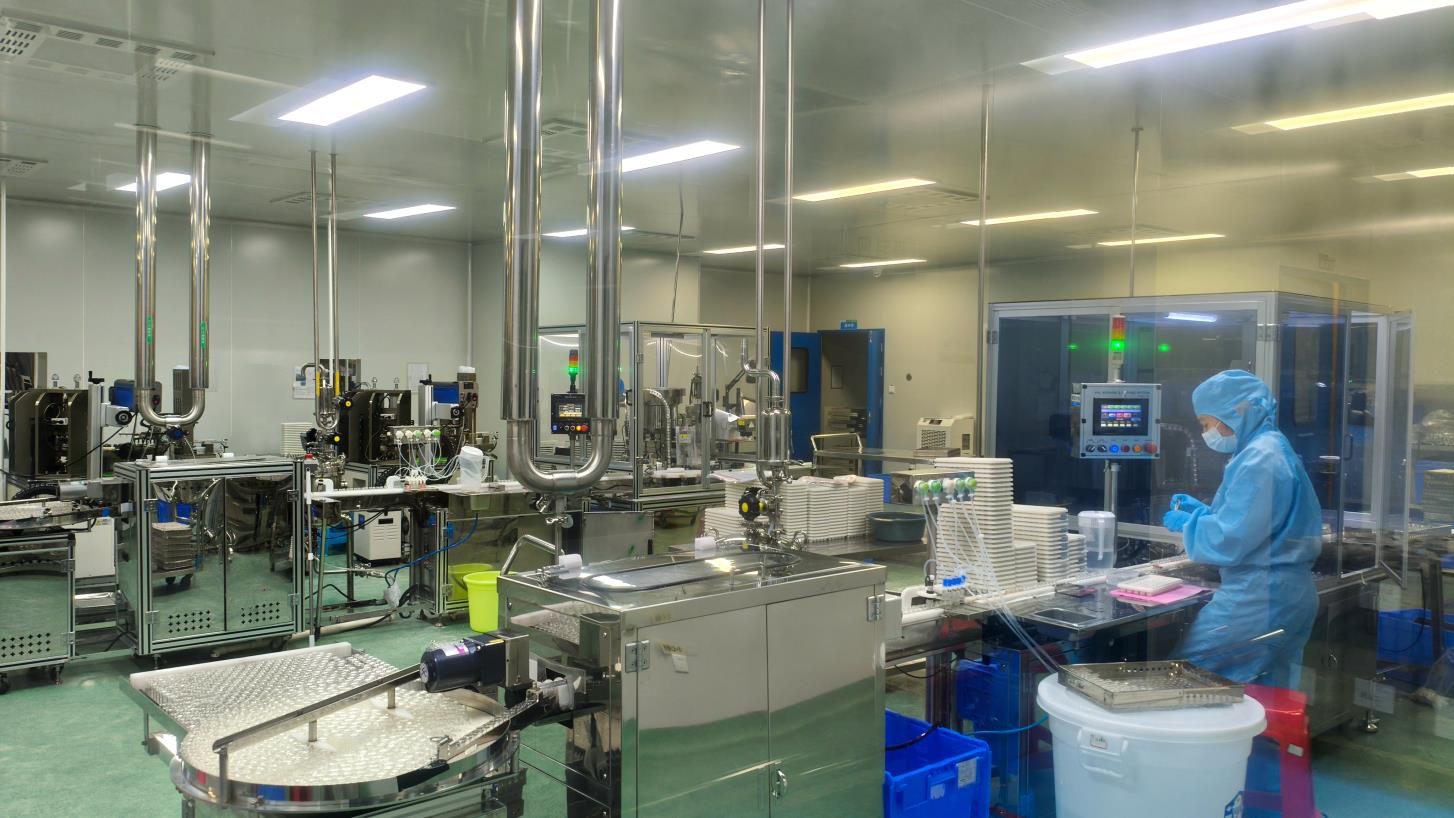
With increasing clinical awareness, consumers are shifting toward preservative-free formulations to avoid ocular irritation. We are actively refining aseptic filling lines for single-dose unit packaging. Additionally, eco-friendly PP blister material options with minimized plastic weight and 100% recyclable paper boxes are being rolled out, assisting Malaysian brands in aligning with national environmental policies.
By leveraging high-resolution digital color printing plates, we can produce intricate iris patterns that simulate natural depth. This includes subtle gradients, limbal rings, and customized light-reflecting effects that are currently dominating the cosmetics market across Southeast Asia.
| Material Property | Traditional Hydrogel (PolyHEMA) | Advanced Silicone Hydrogel (Si-Hy) | Clinical/Commercial Benefit in Malaysia |
|---|---|---|---|
| Oxygen Permeability (Dk/t) | 20 – 30 | 80 – 120+ | Mitigates dry eye symptoms in heavily air-conditioned offices. |
| Water Content | 38% – 58% | 33% – 48% | Lowers dehydration rates, maintaining comfort during long wear times. |
| Modulus (Stiffness) | Low (0.3 - 0.5 MPa) | Medium to High (0.5 - 0.8 MPa) | Easier handling for first-time wearers, maintaining physical shape. |
| Surface Wettability | Inherently Hydrophilic | Requires Treatment / Wetting Agents | Resists microbial attachment in warm, humid outdoor conditions. |
The strategic proximity of our industrial facilities in Dongguan and Guangzhou to the major ports of Southern China (Shenzhen and Nansha) creates an unbeatable logistics network for Malaysian importers. Our integration allows for direct container shipping to Port Klang, Penang Port, and Kota Kinabalu, guaranteeing predictable lead times.
Raw Material Integrity: We source high-grade optical monomers from international market leaders, ensuring consistent polymerization and optical clarity. Because we stock medical-grade raw materials at a massive scale, we insulate our B2B partners from global chemical price fluctuations.
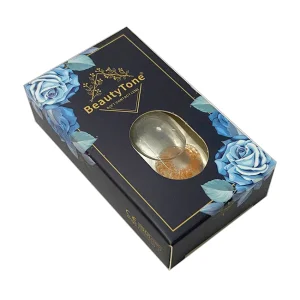
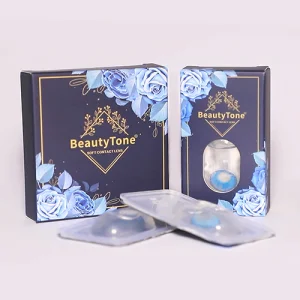
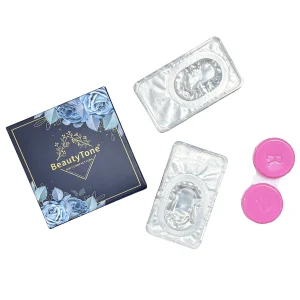
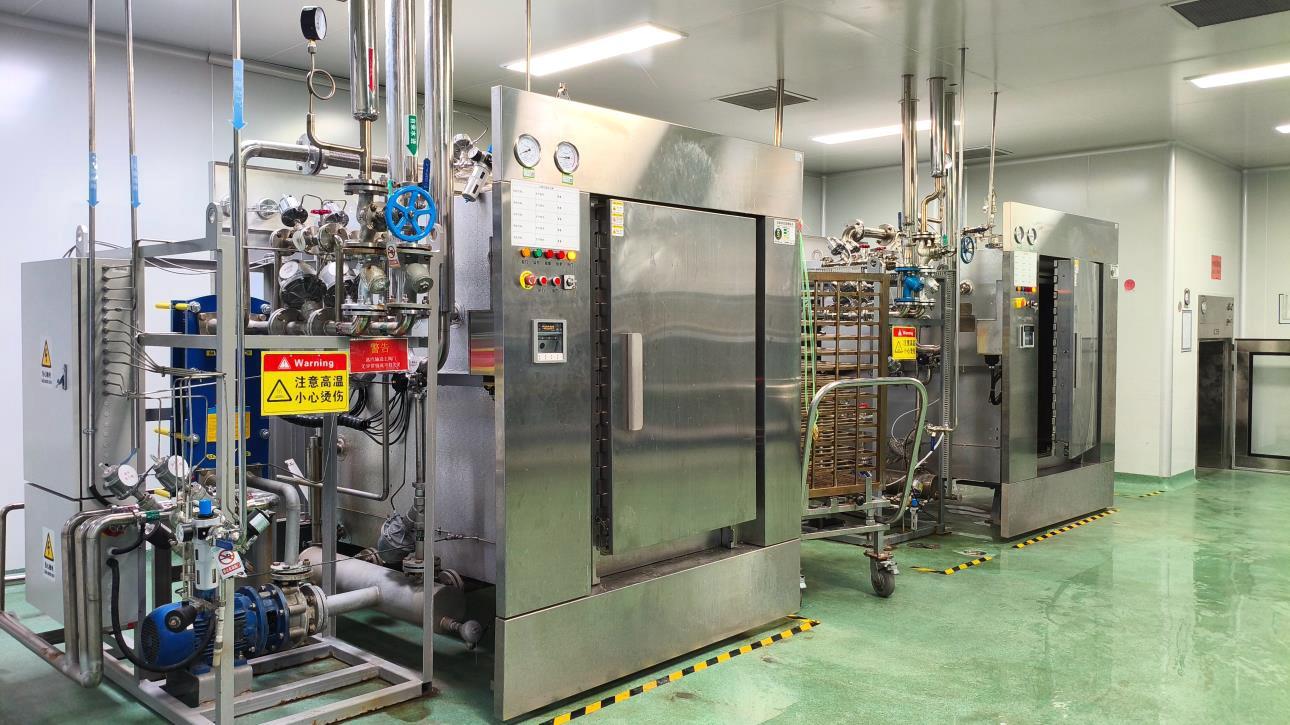
Custom Packaging Turnkey Services: A key strength of our factory is the integrated packaging division. Rather than outsourcing, we print, mold, seal, and sterile-package all products under one roof. This minimizes cross-contamination risks and speeds up shipping schedules dramatically compared to fragmented supply chains.
In Malaysia, contact lenses and care solutions are regulated as Class B or Class C medical devices under the Medical Device Act 2012 (Act 737). Sales or distribution of unregistered medical devices in the country is illegal and carries significant liabilities. Therefore, compliance is not just a preference; it is a strict commercial barrier.
To register products successfully, distributors must appoint a local authorized representative (LAR) in Malaysia and submit a comprehensive technical dossier. Our documentation team supports this process by providing:
By preparing these technical packages proactively, we help our partners reduce the MDA registration pathway timeline from years to months, facilitating rapid entry into Malaysian chain optical stores and e-commerce platforms.
Direct from factory supply lines. Click on items below to view specific technical characteristics and design options.
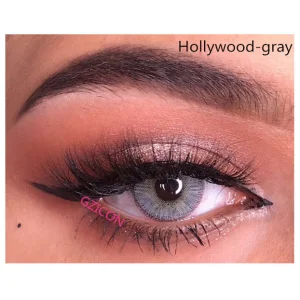
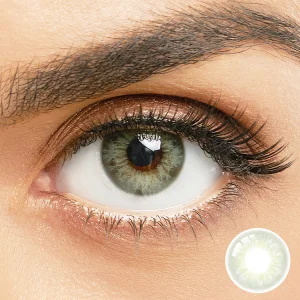
Premium options for brands extending their aesthetic portfolios.
Expert answers addressing the core regulatory, technical, and logistics questions of B2B partners in Malaysia.
Partner with an industrial-scale Chinese factory focused on precision, volume capacity, and full regulatory conformity for the Southeast Asian medical device market.
Send Inquiry Now Blink Lenses