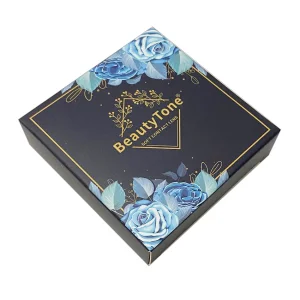
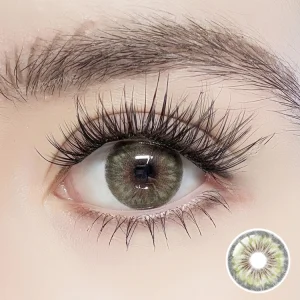
Premium specialized medical-grade packaging and catalog solutions tailored for New Zealand optical brands, ophthalmic laboratories, and regional wholesale networks.
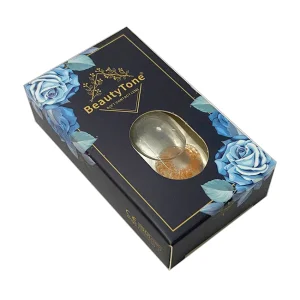
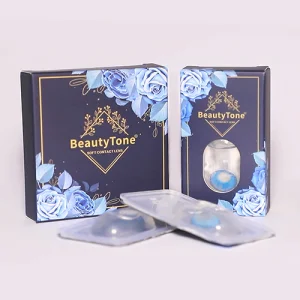
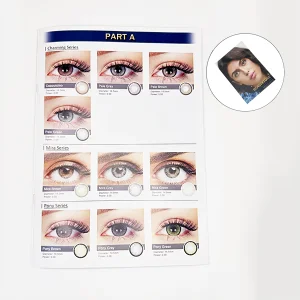
In-depth insights into market demands, optical requirements, and regional distribution frameworks in Oceania.
New Zealand's ophthalmic and vision care landscape is characterized by high consumer demands for biological safety, sustainability, and technological precision. As the prevalence of myopia increases among demographic groups in urban centers like Auckland, Hamilton, and Wellington, the requirement for daily contact lenses, monthly replacement lenses, and their accompanying maintenance solutions is rising exponentially.
Unlike large-scale industrial economies, New Zealand relies primarily on imported advanced medical-grade contact lenses and accessories, backed by strict monitoring protocols. The local distributor network acts as a crucial conduit between offshore manufacturers and local optometrists (e.g., independent clinics, Specsavers, OPSM). Therefore, maintaining an uninterrupted, high-compliance supply chain is of paramount importance to prevent clinical stockouts.
Providing New Zealand and global markets with premium optical solutions from our state-of-the-art facility.
We are an industrial-scale manufacturer specializing in the research, development, and mass production of high-quality contact lenses, cosmetic colored lenses, and specialized care packaging solutions. Located in the manufacturing hub of Dongguan, China, we operate a fully integrated facility that bridges cutting-edge optical technology with robust supply chain capabilities.
As a dedicated B2B partner, we specialize in OEM, ODM, and turnkey private-label solutions. From material compounding (Hydrogel/Polyhema) to bespoke pattern design and compliant blister packaging, Chic Contacts provides global distributors and vision care brands with unparalleled stability, scale, and safety.
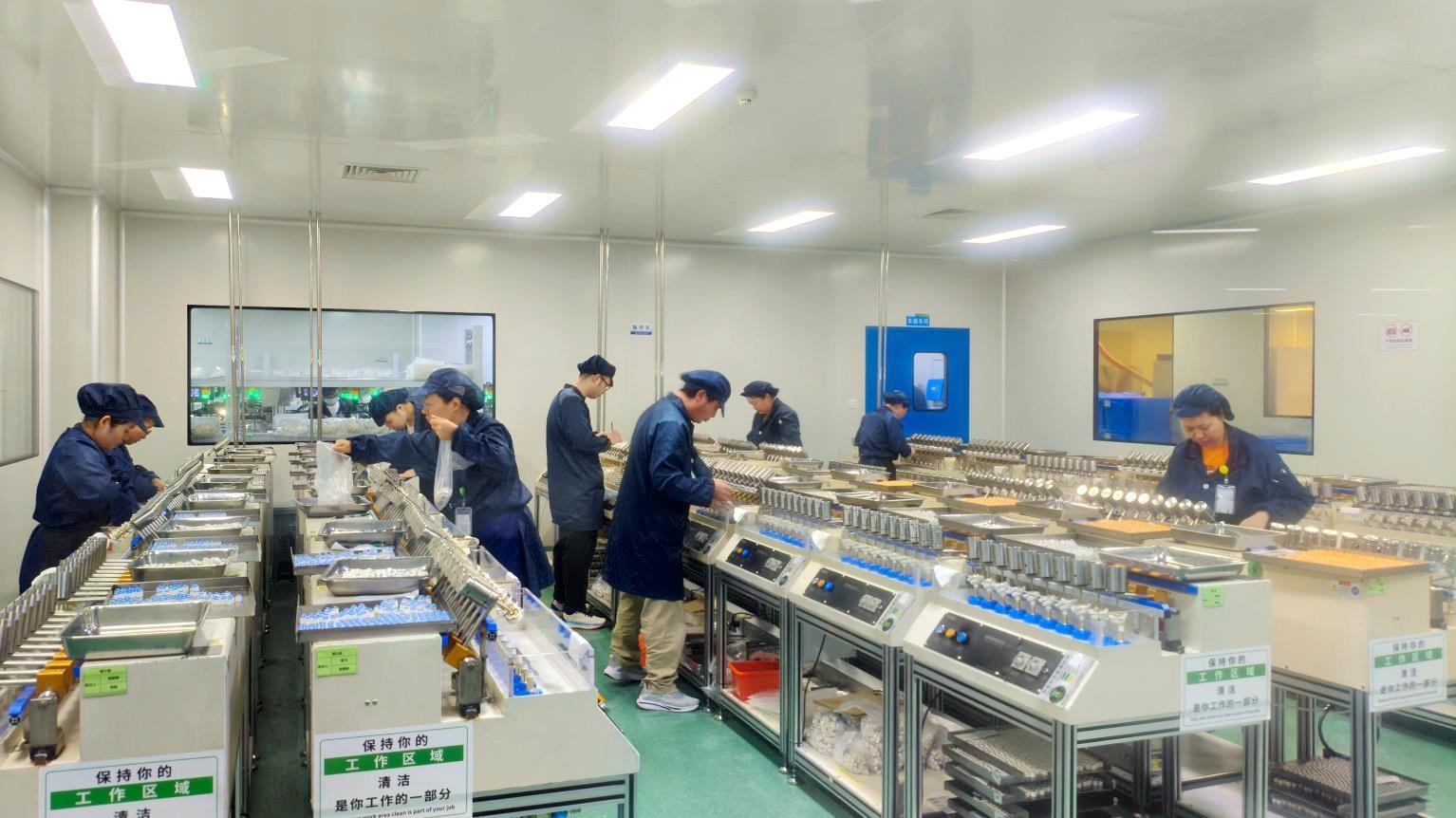
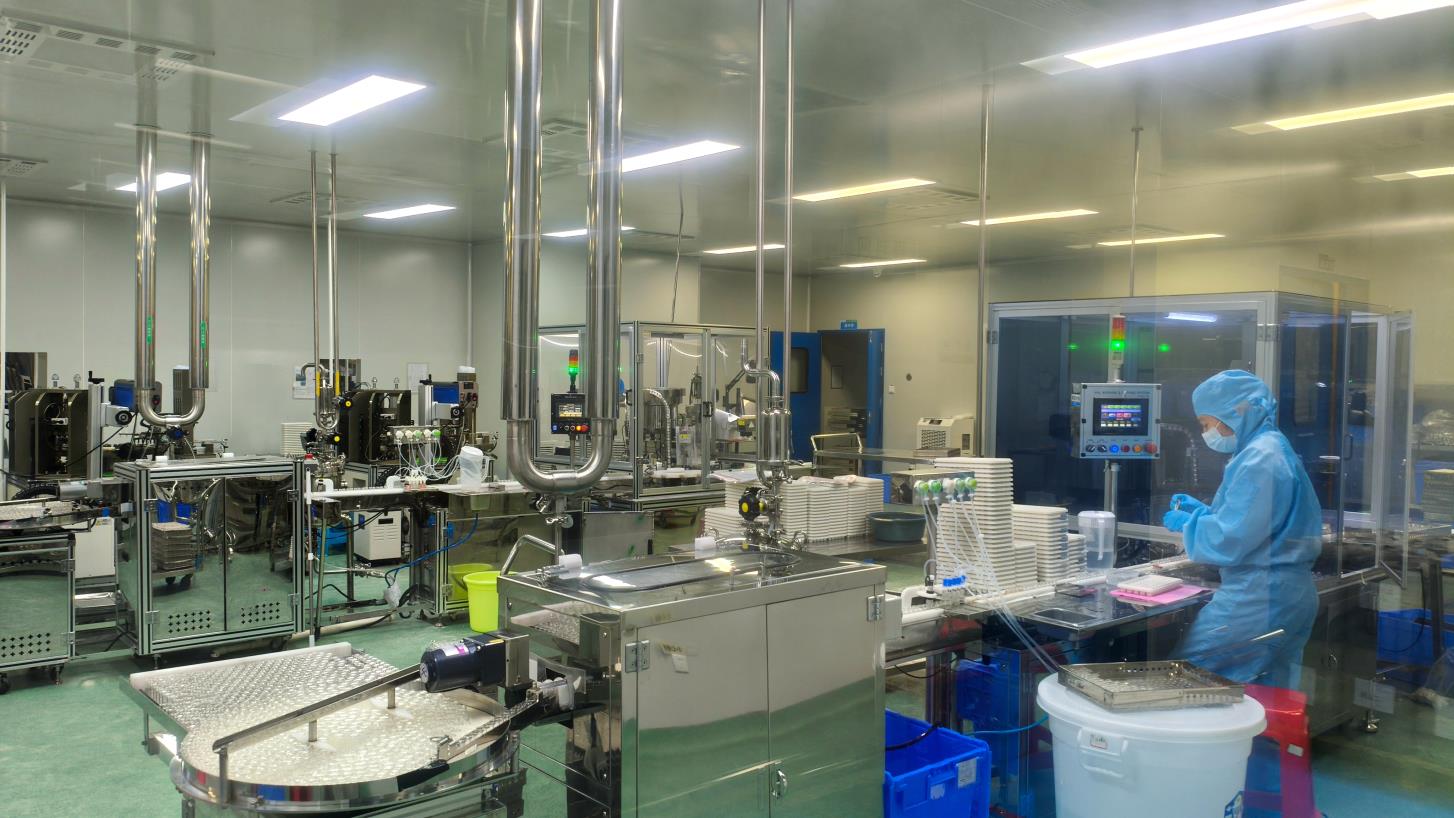
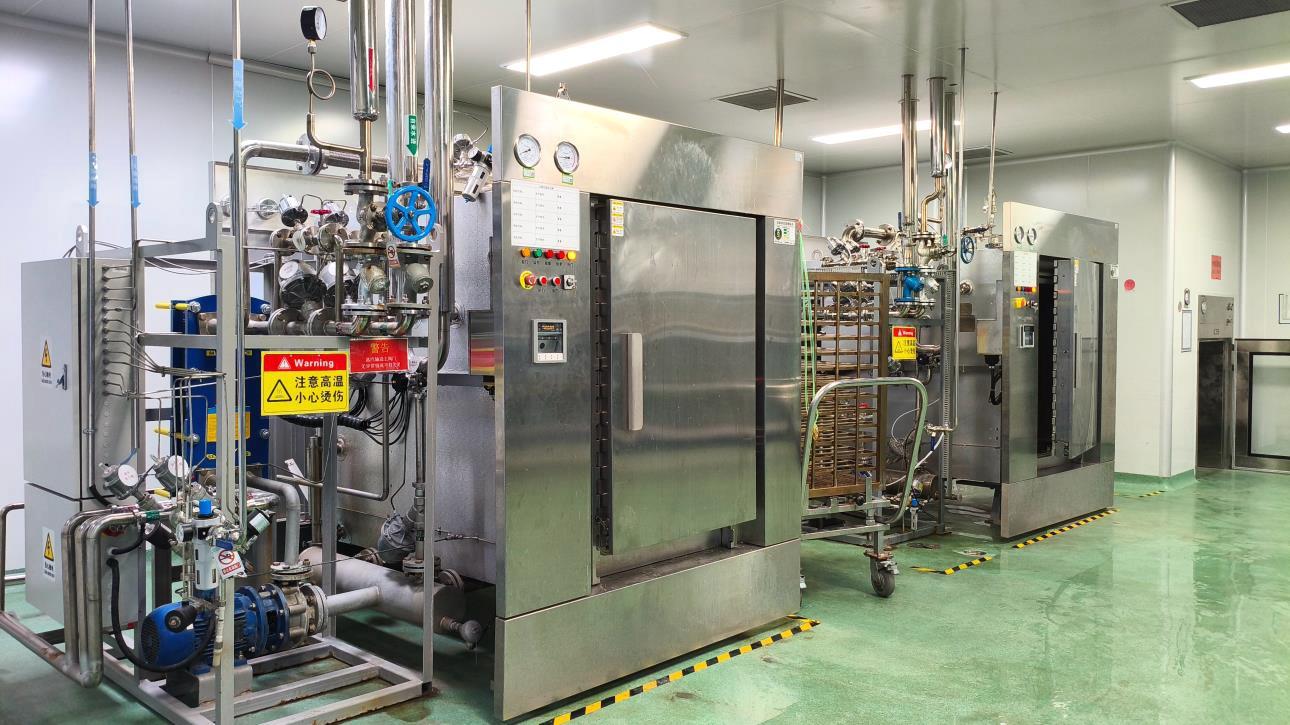
Production Capacity: Equipped with automated high-speed cast-molding lines operating within a Class 100,000 (ISO 8) cleanroom environment.
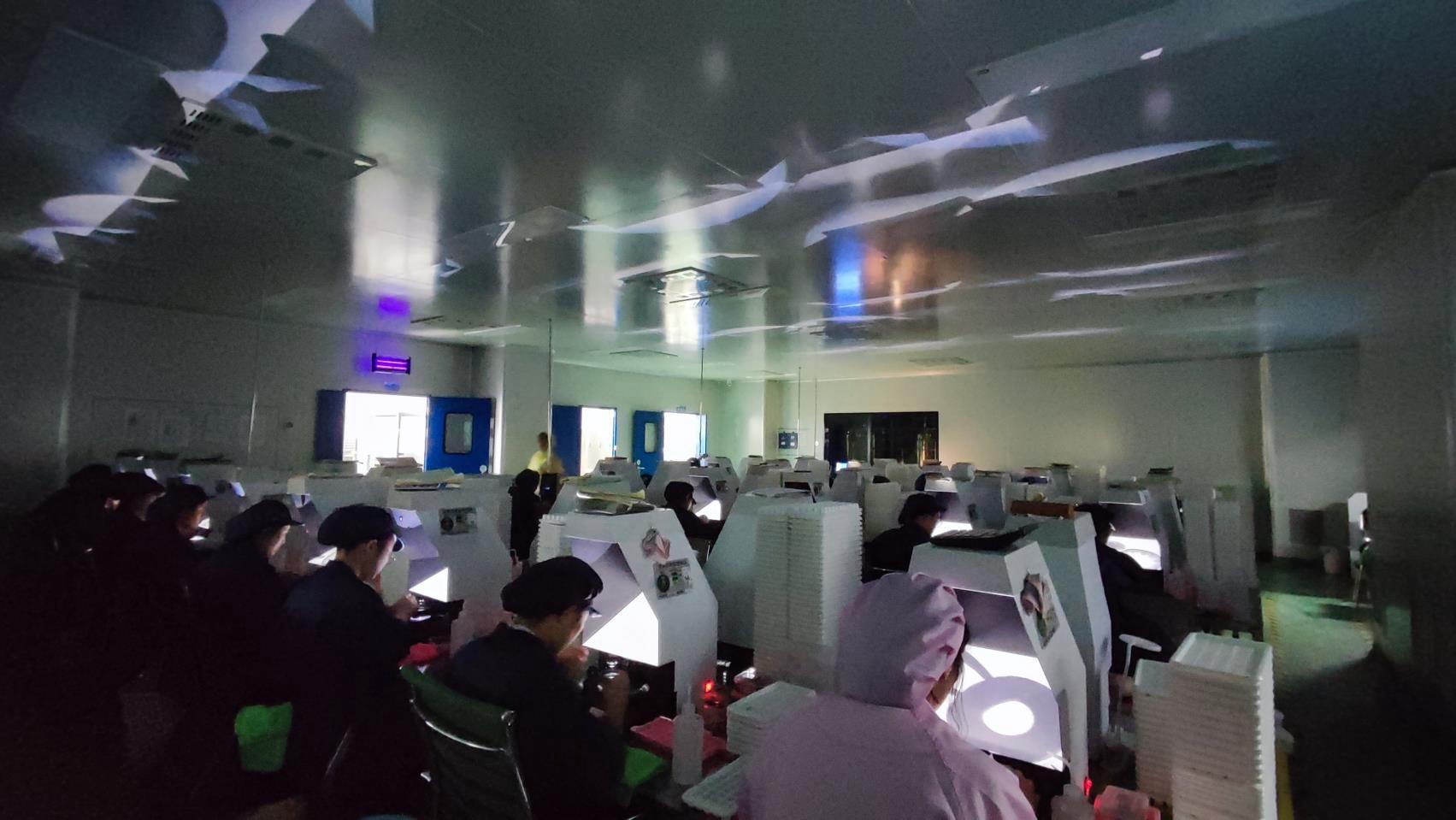
Quality Assurance: 100% full-inspection workflow, including automated geometric tolerance testing, power verification, and cosmetic defect screening.
Compliance: Built upon strict international quality control systems, fully meeting CE, ISO 13485, and global medical device standards.
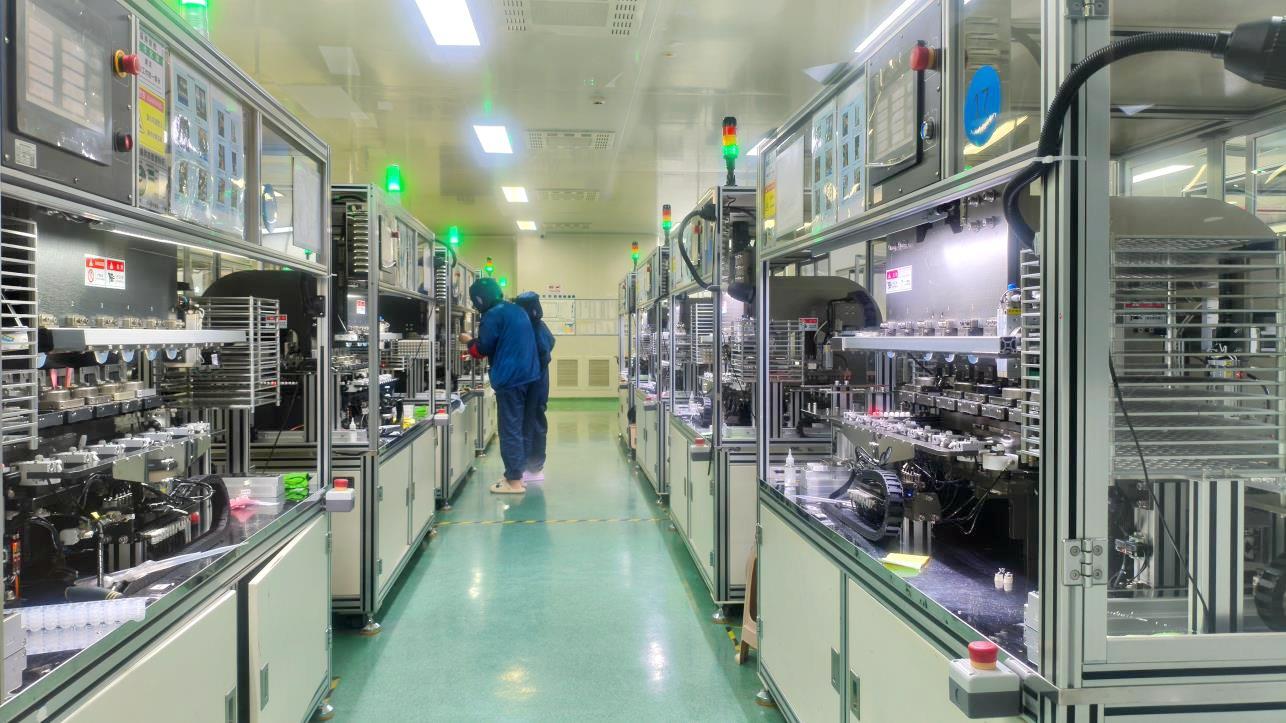
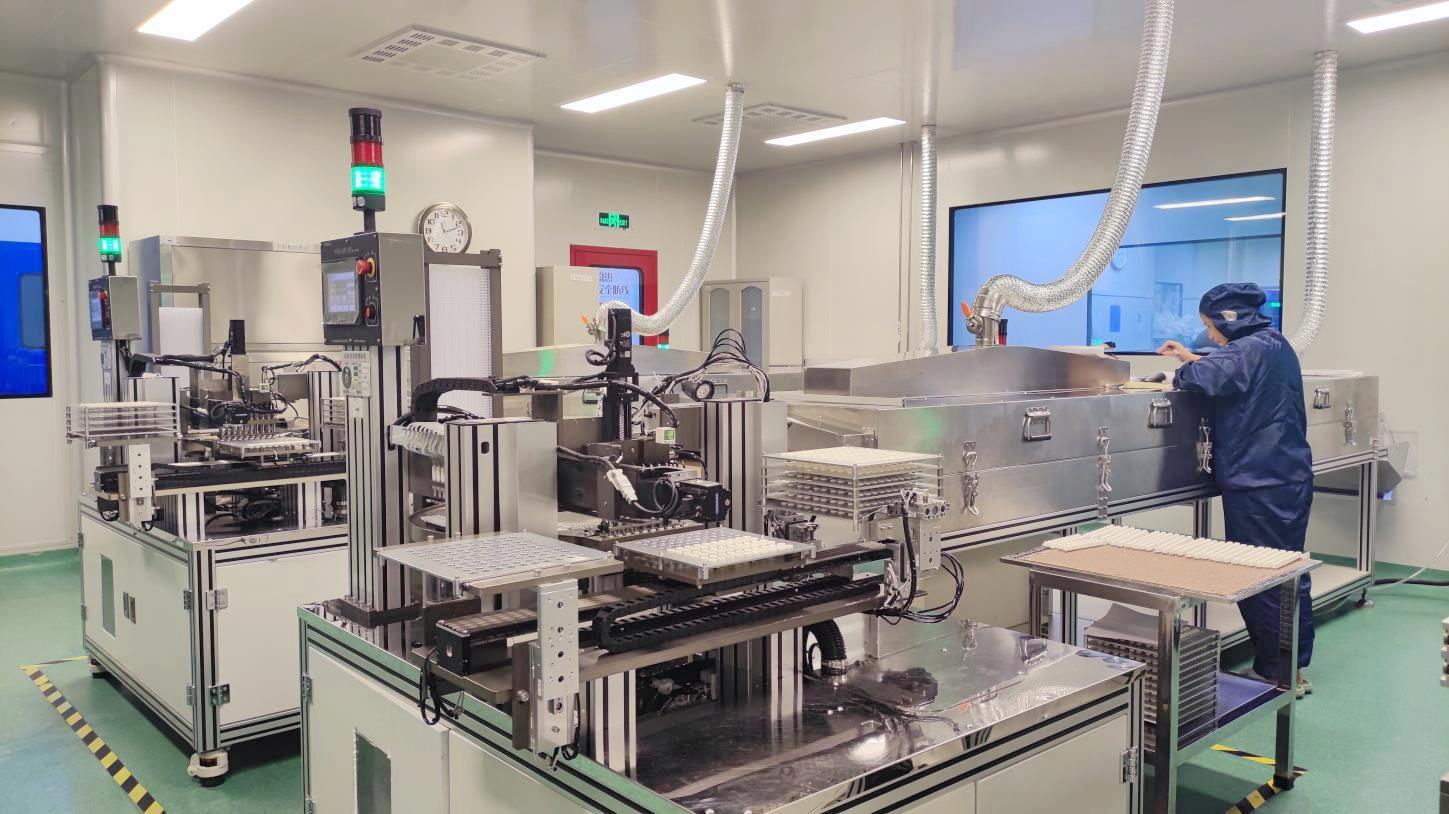
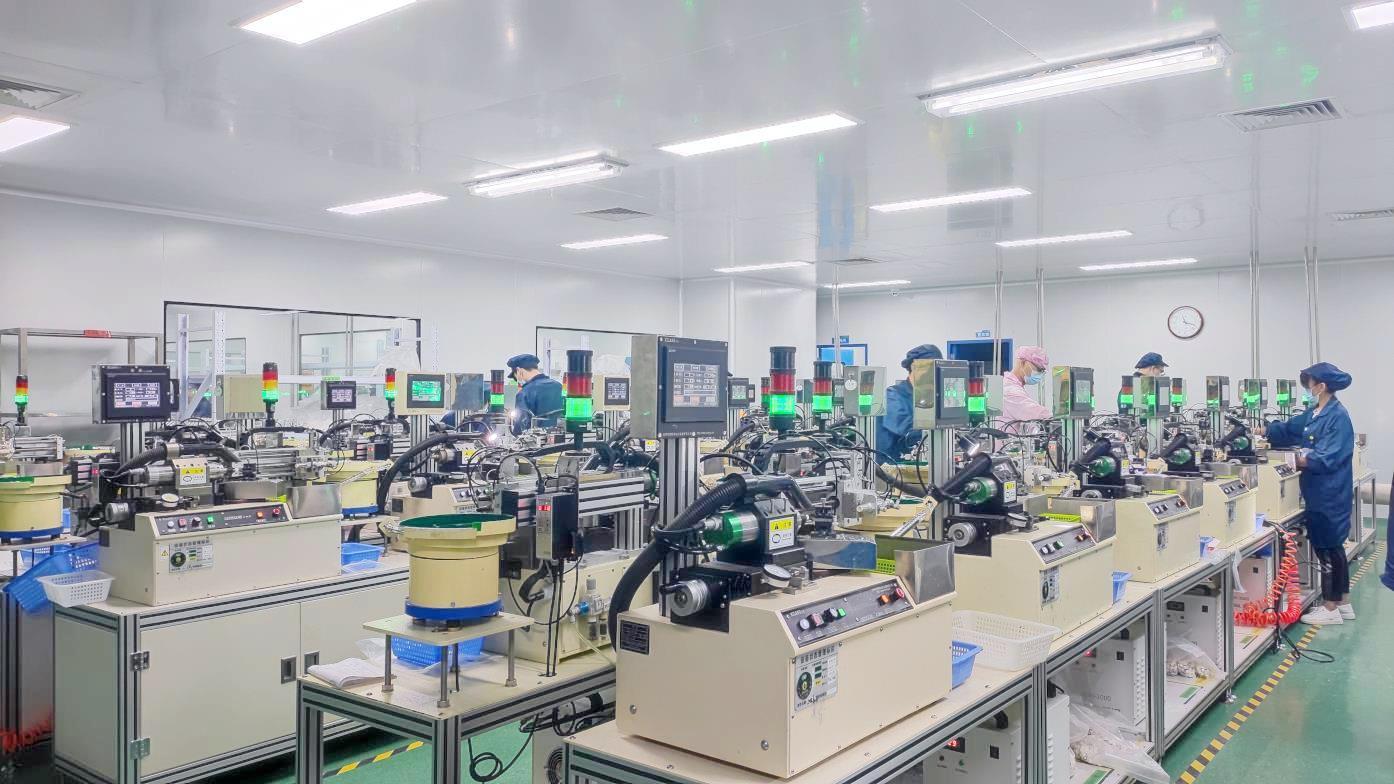
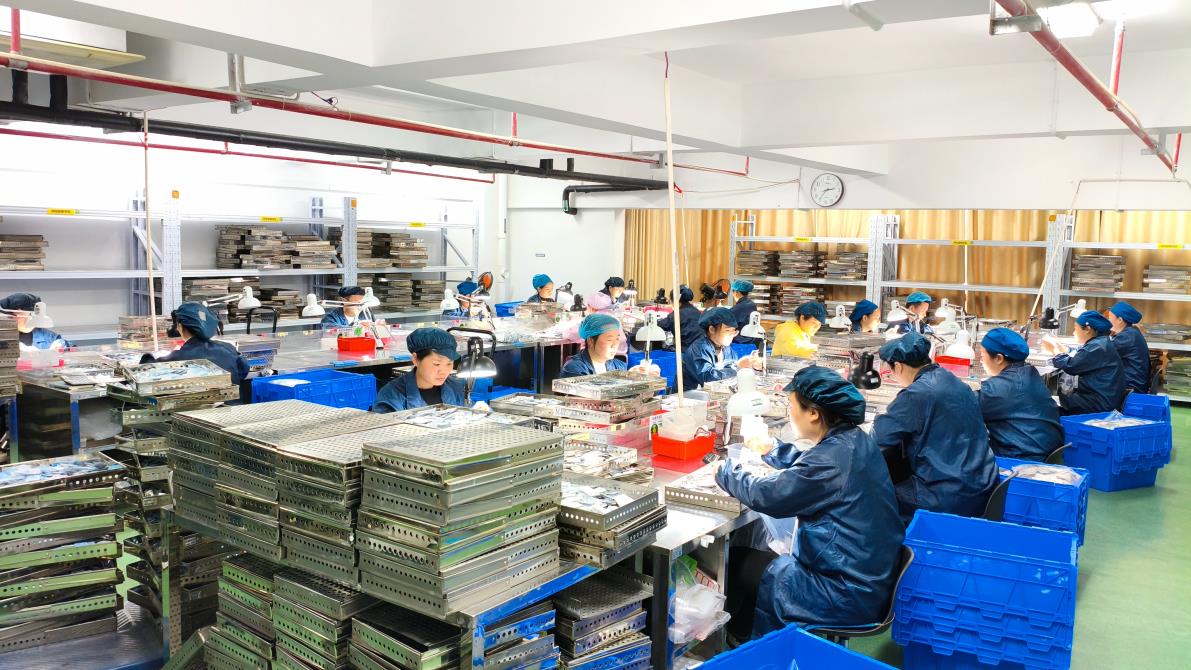
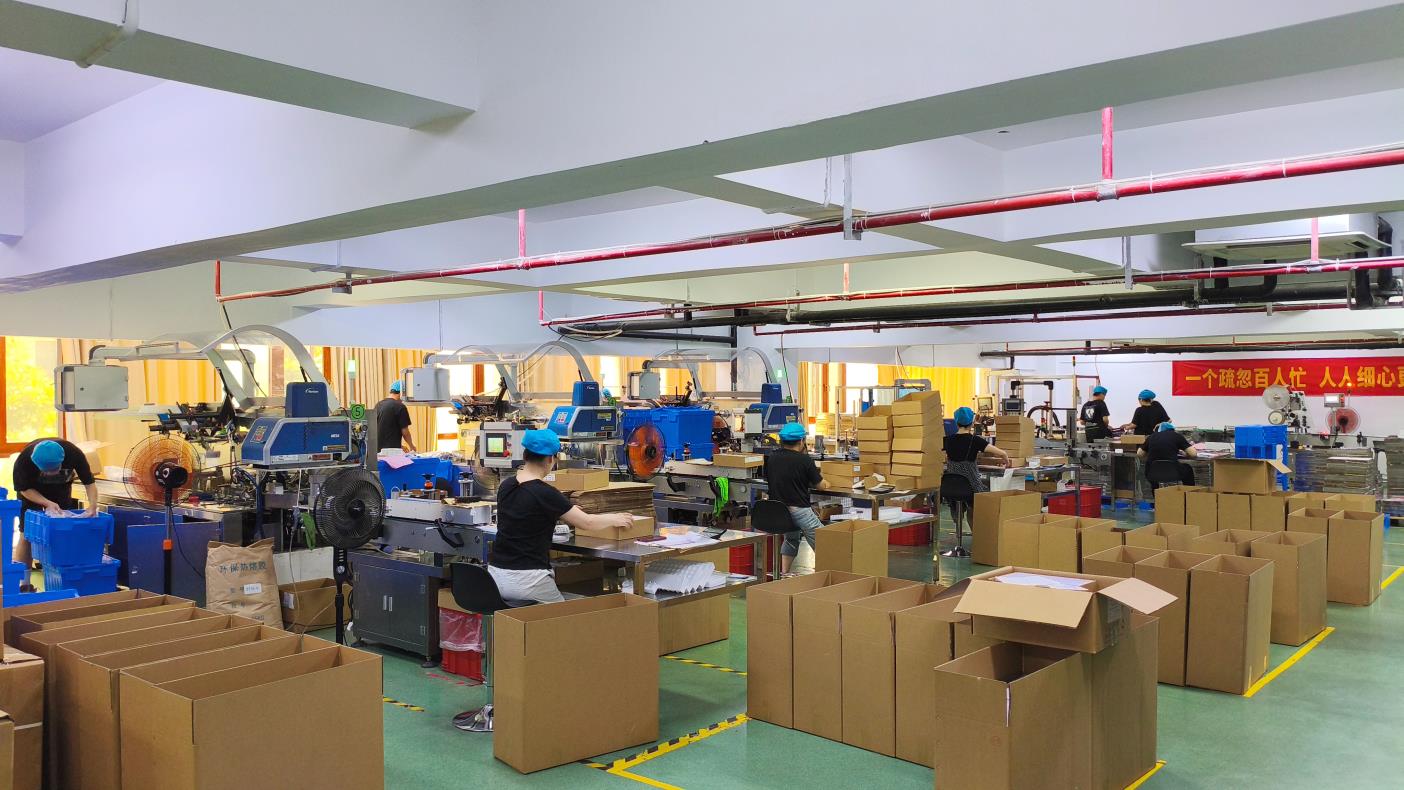
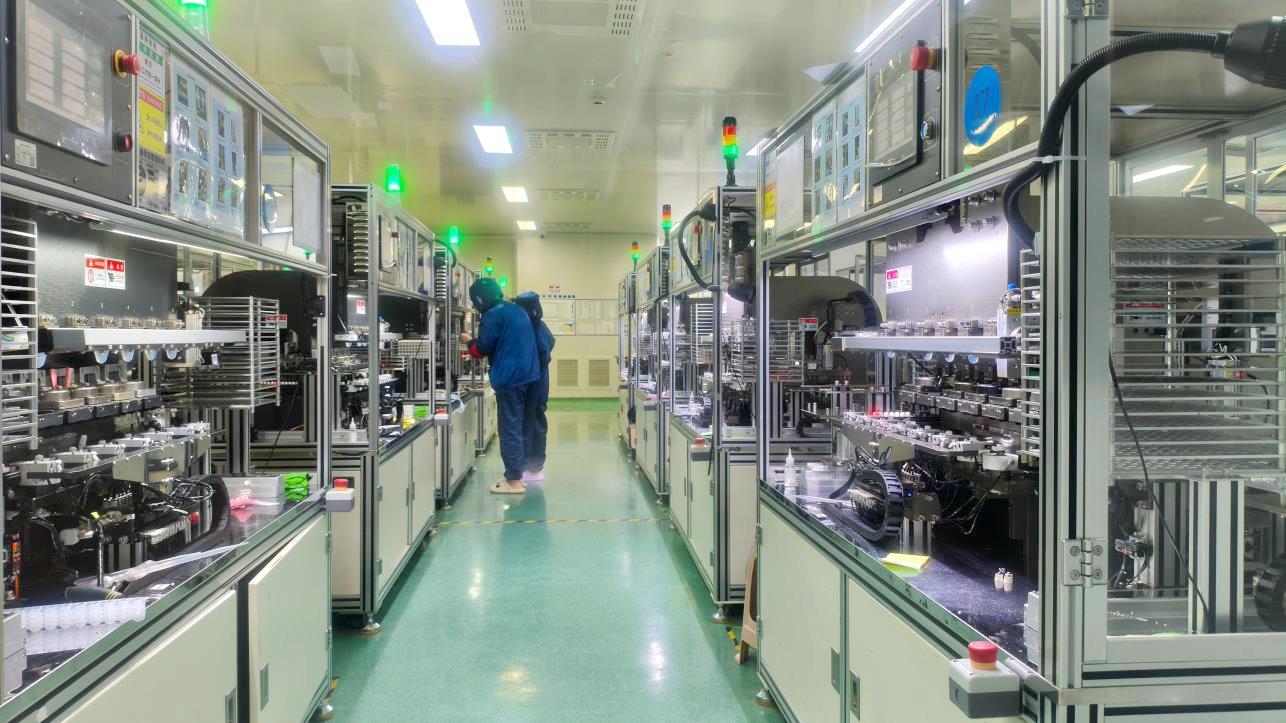
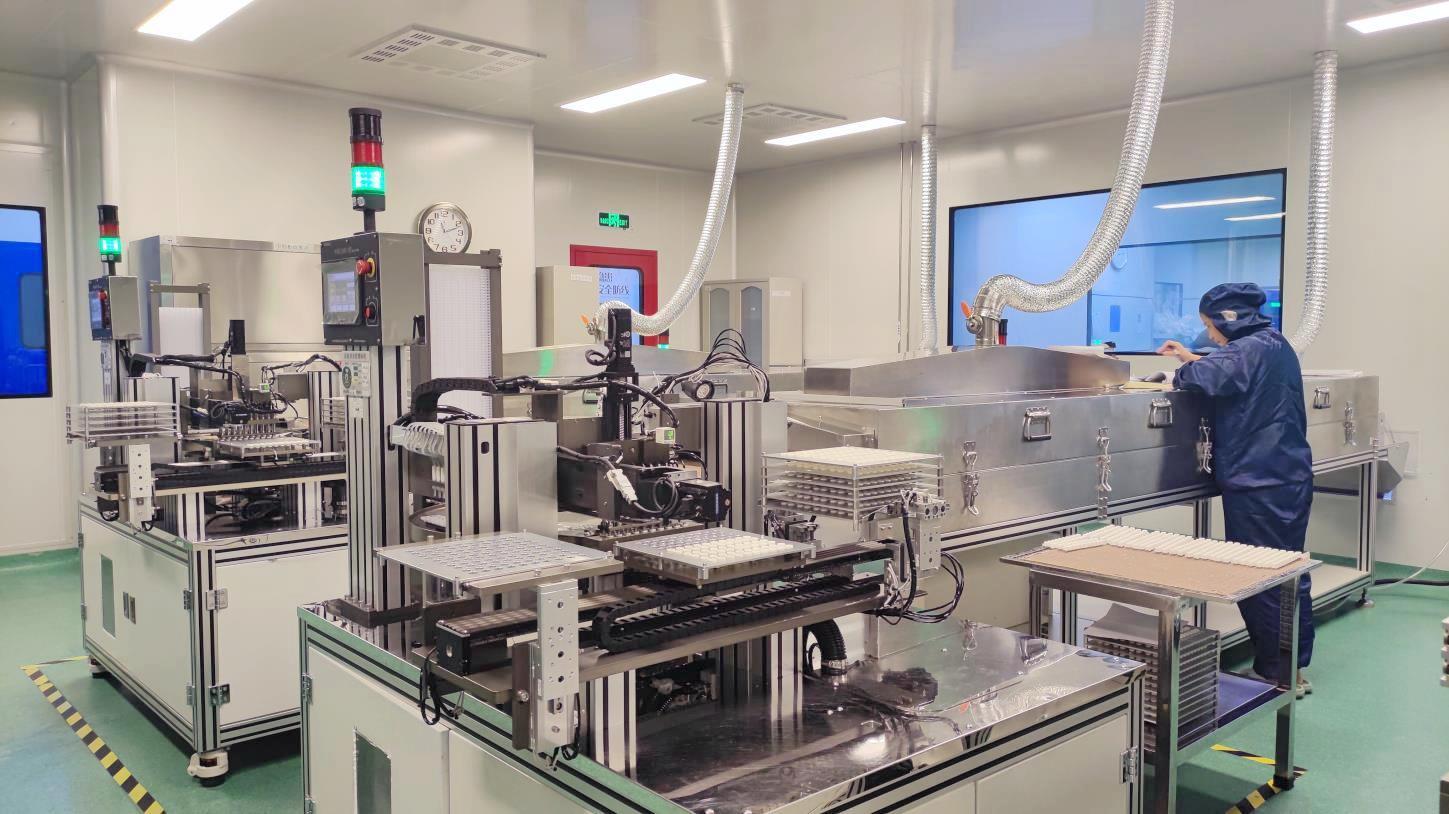
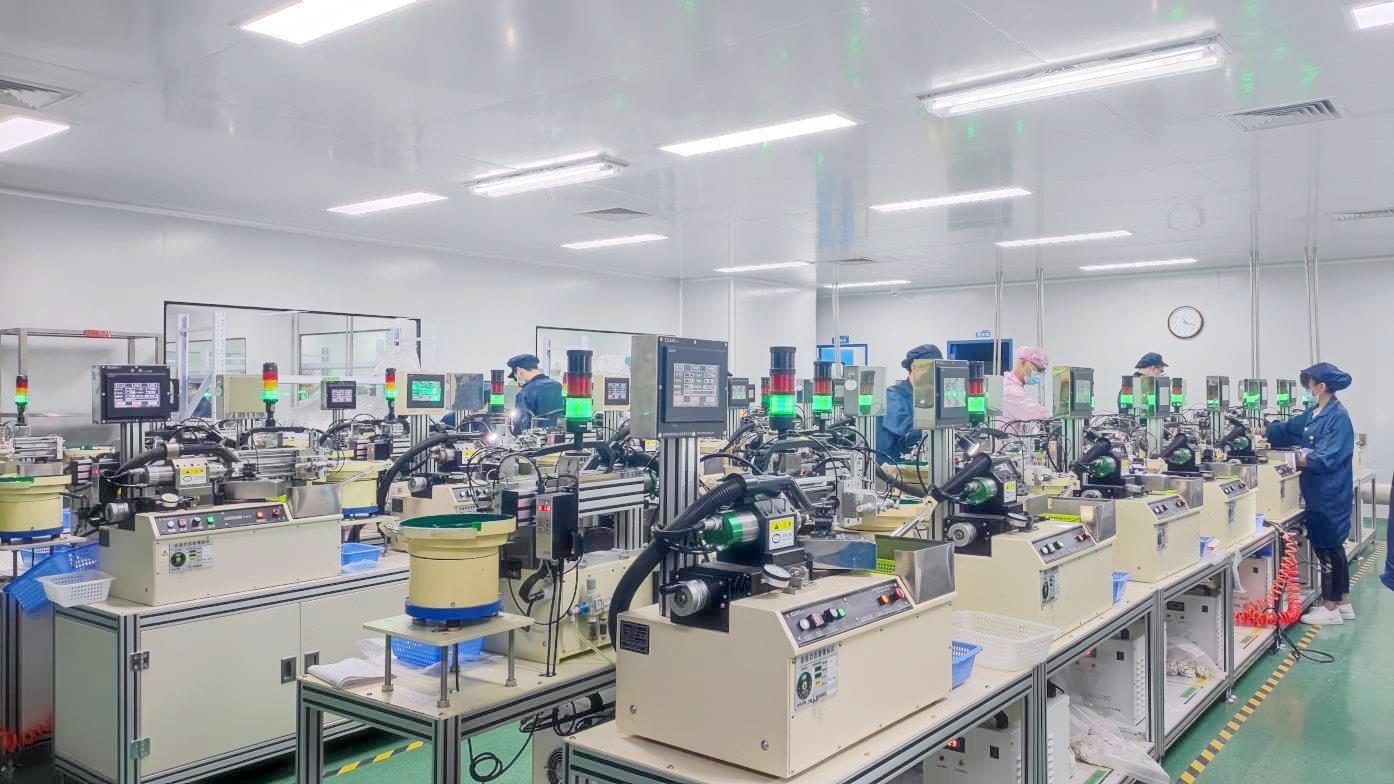
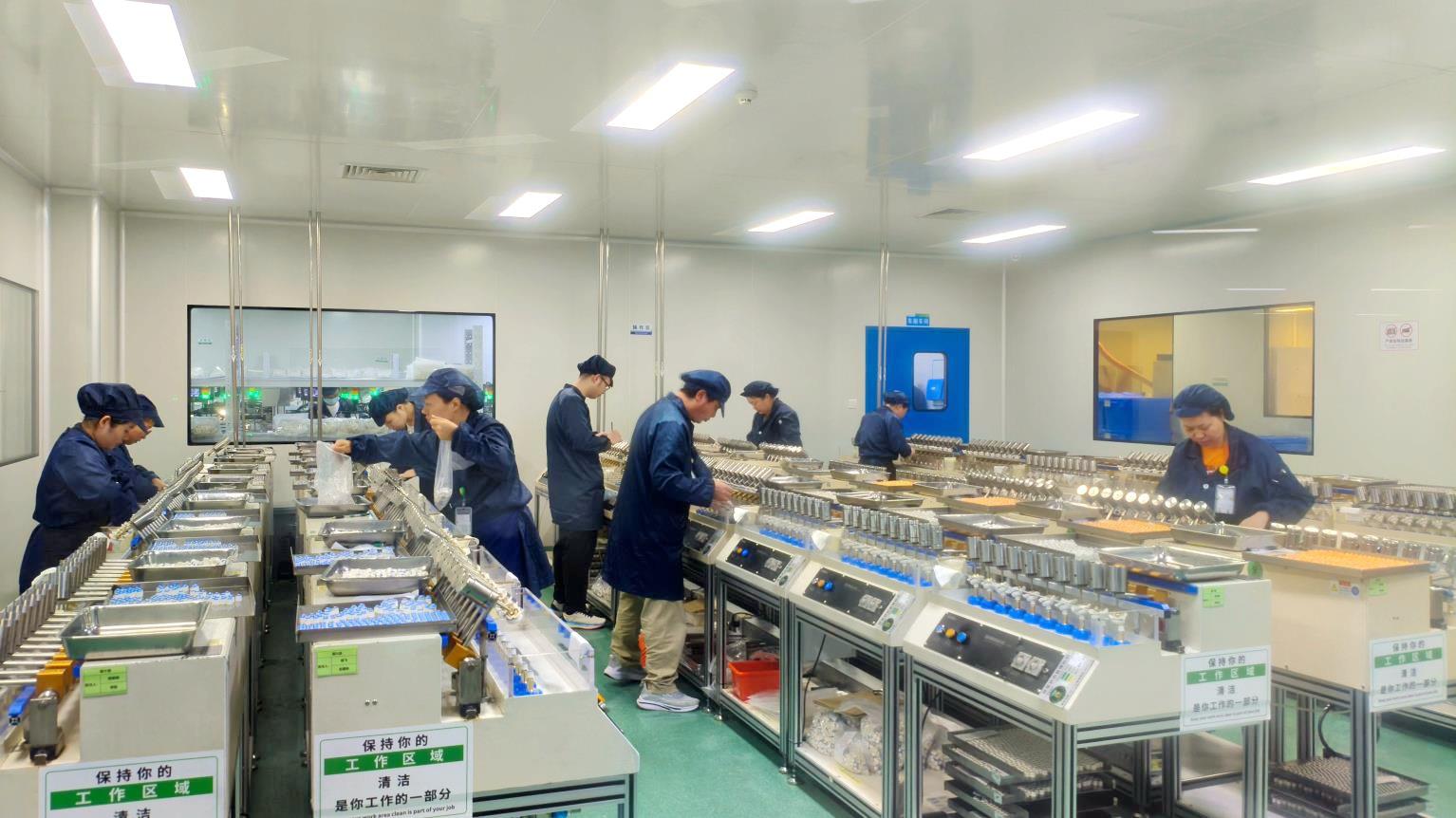
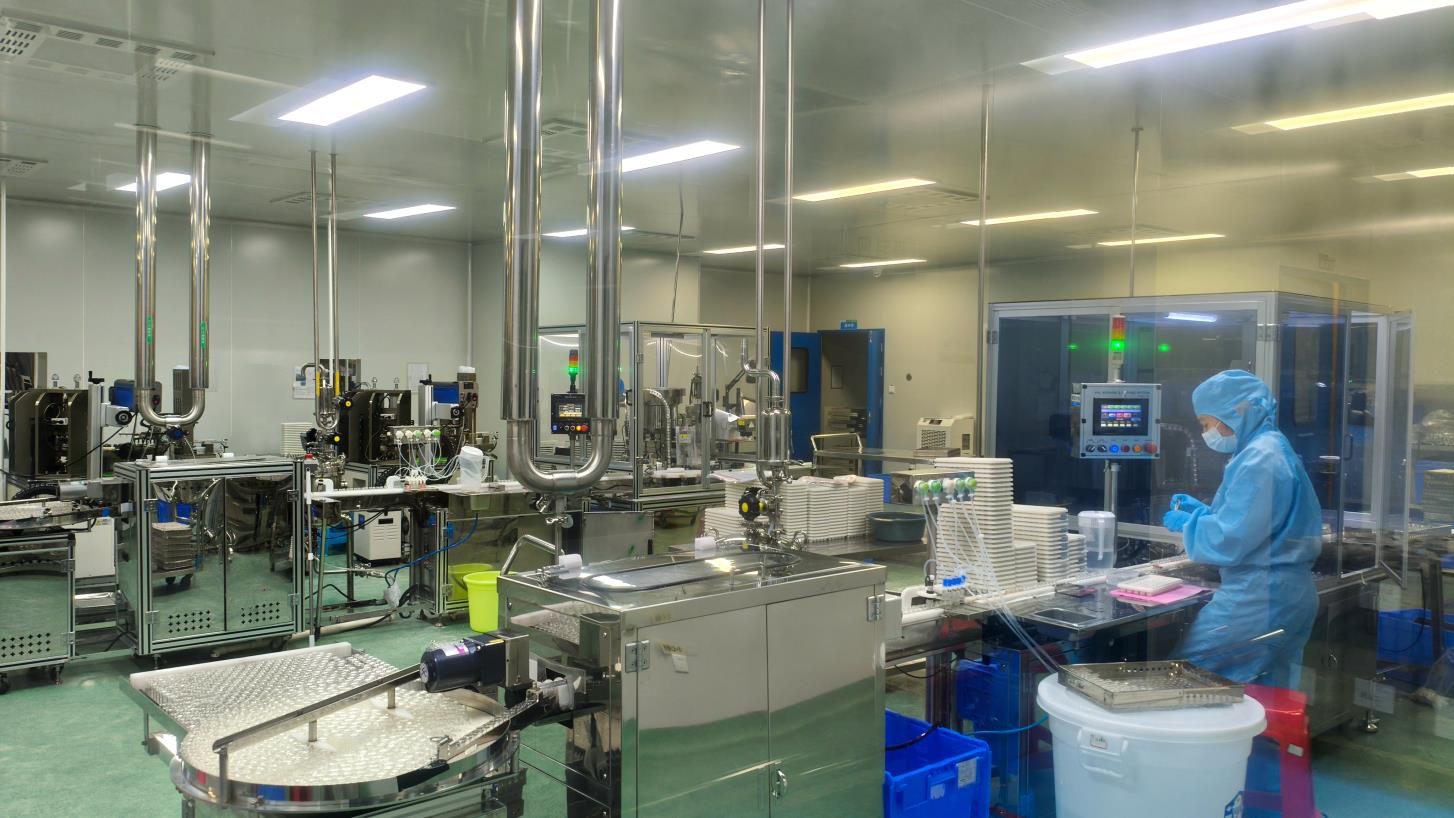
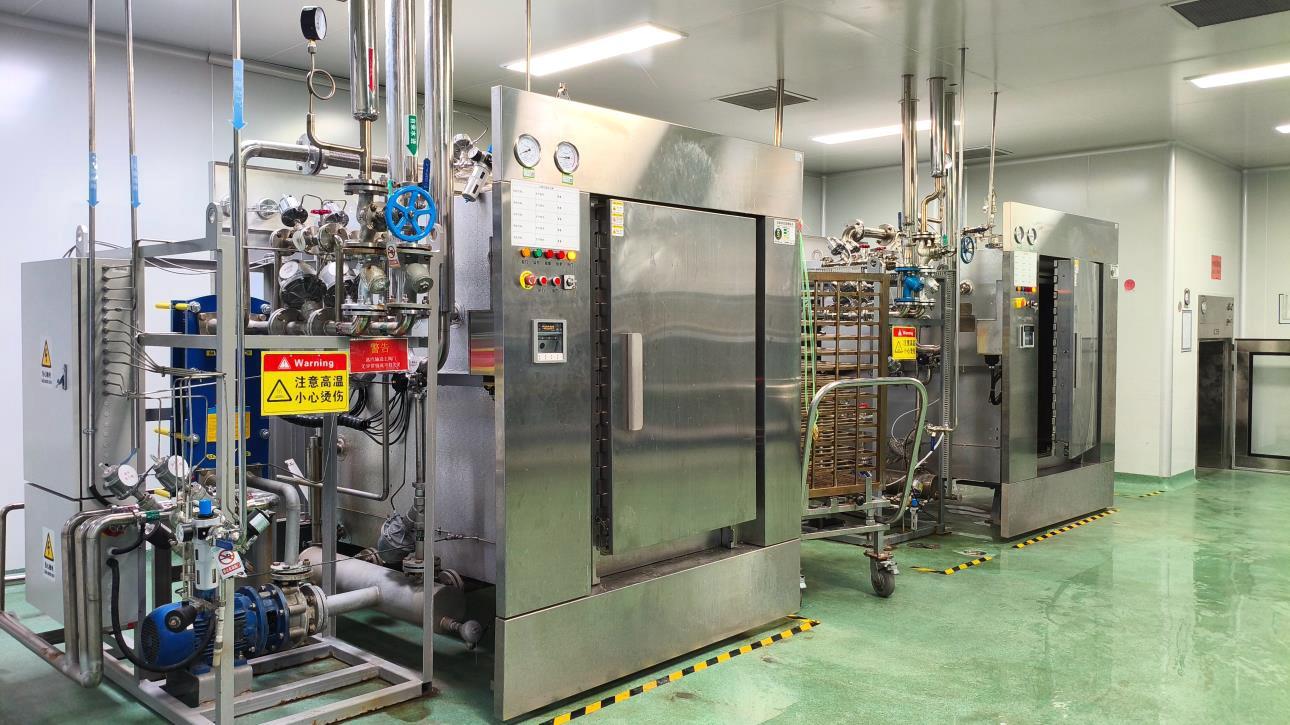
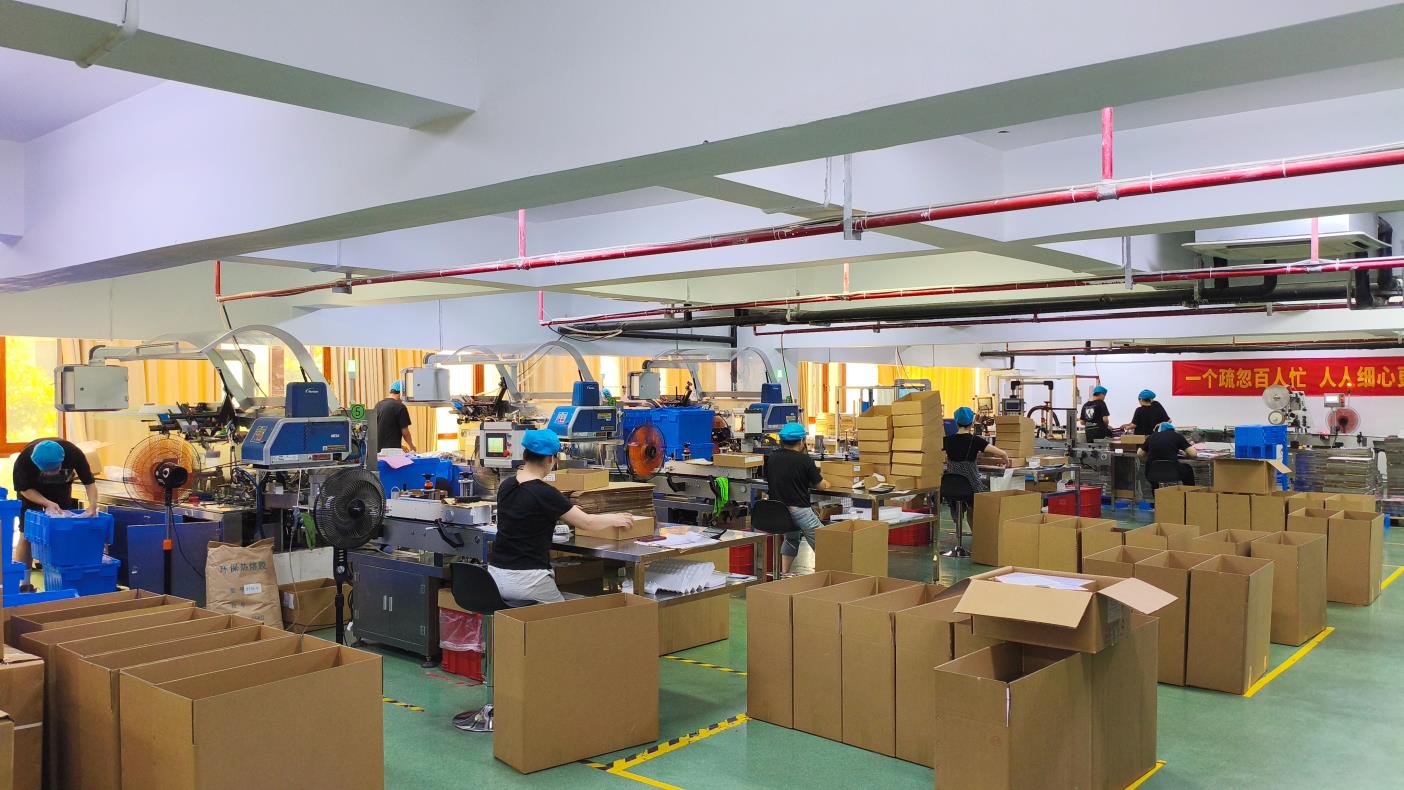
Choosing the correct production modality for the New Zealand optometry distribution network.
| Feature Parameter | Cast Molding Process (Blink Lenses Standard) | Lathe-Cutting (Traditional Process) | NZ Regulatory Preference |
|---|---|---|---|
| Production Velocity | Extremely High (Up to tens of thousands of units daily) | Low (Unit-by-unit manual/CNC control) | Preferred for massive commercial rollouts |
| Surface Smoothness | Ultra-smooth (Replicated from precise master molds) | Varied (Requires thorough hand/mechanical polishing) | High smoothness limits mechanical corneal rubbing |
| Bespoke Pattern Accuracy | Highly repeatable (Micro-printing with multi-tone capability) | Limited (Difficult to achieve consistent color layers) | Favored for high-end cosmetic color series |
| Unit Cost Matrix | Low cost at scale (Perfect for B2B Private Labels) | High cost per unit (Suitable for custom high-Rx cases only) | Essential for maintaining retail margins |
Under the Medicines Act 1981 and the Medicines (Database of Medical Devices) Regulations 2003, all contact lenses and active lens care products (such as sterilizing solutions, saline drops, and lens storage cases) must be registered in the **WAND (Web Assisted Notification of Devices)** database maintained by Medsafe. To ensure compliance, a local sponsor inside New Zealand must submit details of the medical devices before they can be imported or sold commercially.
By partnering with Guangzhou Blink Lenses, New Zealand importers receive comprehensive compliance documentation packs. These include **ISO 13485:2016 Certification, CE Certificate of Conformity, Biological Evaluation Reports (ISO 10993)**, and stability testing reports. These document packages streamline WAND registration, allowing local distributors to bring products to market quickly.
Premium grade yearly and monthly disposable hydrogel lenses engineered for extreme comfort and crisp visual acuity.

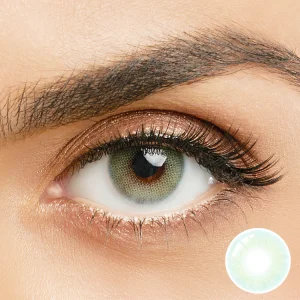
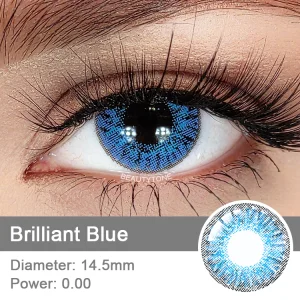
Strategic logistics and customs pathways ensuring rapid delivery and optimal quality preservation.
Optical medical products, especially soft hydrogel contact lenses and hydration solutions, are sensitive to temperature extremes. Exposure to freezing temperatures or excessive heat during sea transit through the tropics can degrade packaging seals, resulting in micro-leakage and compromising sterility. Our supply chain features integrated Temperature-Controlled Transport systems for shipments bound for major New Zealand ports, including Auckland (Port of Auckland) and Lyttelton (Port of Lyttelton, Christchurch).
For urgent product launches and high-value custom prescription collections, we partner with reliable express air freight services (DHL, FedEx). These shipments land at Auckland International Airport within 3-5 business days from our Dongguan facility, accompanied by clear declarations that streamline processing with New Zealand Customs.
We provide full OEM and ODM services. From configuring water content percentage (38% to 58%) to customizing diameter (14.0mm to 14.5mm) and base curve parameters (8.5mm to 8.7mm), we can engineer lenses to meet your specific target demographic's anatomical dimensions. Our packaging lines can handle individual sterile blister packaging, custom multi-lingual printed outer packaging, and protective paper cartons with local New Zealand barcodes and recycling symbols.
Comprehensive portfolio of color contact lenses and specialized care boxes engineered for safety, comfort, and exceptional aesthetic appeal.
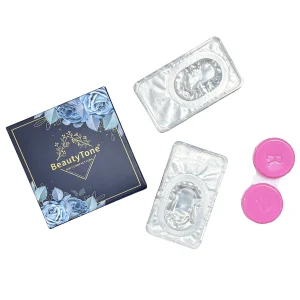
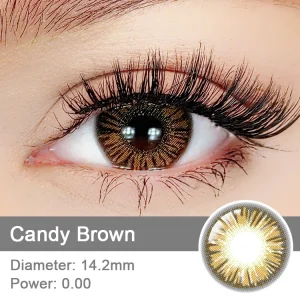
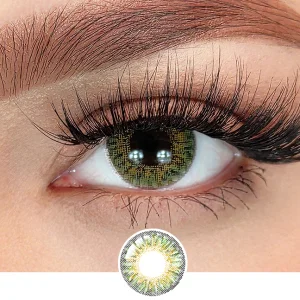
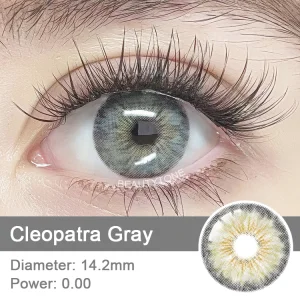
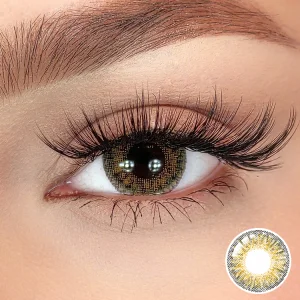
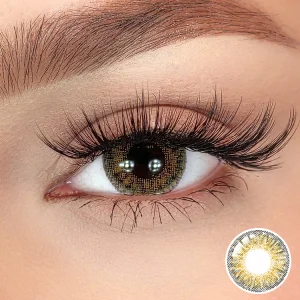
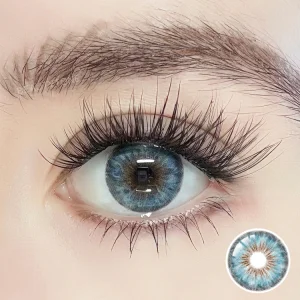
Essential guidance for New Zealand importers, optical labs, and vision care brands sourcing high-quality contact lens care products.
 Blink Lenses